
Plants
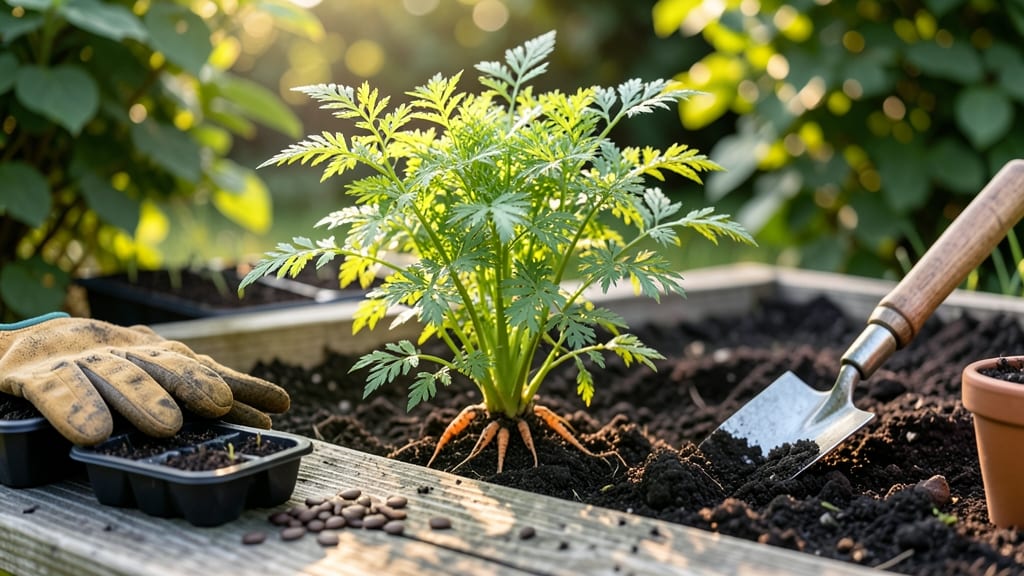
Planting carrots in South Louisiana might seem tricky with its sticky humidity and sudden storms, but timing is everything for crisp, sweet 🥕 roots that actually grow right.
The key isn't just throwing seeds in the dirt—it's choosing the two perfect windows when your soil stays cool enough to prevent forking and your plants can thrive despite the heat and moisture.
Most gardeners here make the mistake of planting too early in spring when temperatures still hover too warm, or too late in summer when the bugs and humidity take over.
I've learned the hard way that the ideal months are September-October for fall harvests and February-March for spring, when the ground stays loose and the weather cooperates just enough to give you those perfect 60-day roots before the real summer heat arrives.
What really sets successful carrot growers apart in our region is their soil prep—loose, sandy, and well-draining to prevent those dreaded forked roots. We'll cover exactly how to adjust your schedule for Louisiana's unpredictable weather, from handling sudden rain to choosing varieties that won't bolt in the heat.
Trust me, once you master this timing, you'll be pulling homegrown carrots twice a year without the usual struggles.
Let's break down the exact steps to plant your carrots at the perfect time, including variety recommendations that actually perform in our climate and how to keep pests at bay during those long, humid growing seasons. You'll be harvesting sweet, straight 🥕 roots in no time—without the usual frustration.
Best planting windows for carrots in South Louisiana’s climate zones
South Louisiana’s USDA Zones 8b-9a create a unique gardening puzzle—humidity, heat, and unpredictable rain demand a precise planting strategy for carrots. Unlike northern climates, we can’t rely on a single spring window.
Instead, we’ll focus on two ideal planting periods that align with soil temperatures and humidity levels to ensure germination success and sweet, straight roots.
Carrots hate extreme heat (above 85°F) and waterlogged soil, both common in Louisiana summers. The key is planting when daytime temperatures hover between 60°F-75°F and nights stay above 50°F. This gives seedlings time to establish roots before summer’s intensity peaks.
Coastal areas (like New Orleans) may need adjustments due to higher humidity, while inland zones (like Baton Rouge) can push planting slightly later.
Here’s the golden rule for South Louisiana: Plant carrots in early fall (September-October) and late winter (February-March). These windows maximize cool-season growth while avoiding the bolting (premature flowering) triggered by summer’s long days. Let’s break down the perfect timing for your specific microclimate.
🌱 South Louisiana Carrot Planting Windows by Climate Zone
| Zone/Location | Primary Planting Window | Soil Temp Threshold | Humidity Note | Expected Harvest |
|---|---|---|---|---|
| Coastal (Zone 9a) | September 1-15, February 15-March 15 | 60°F-75°F | High humidity; use shade cloth in spring | November-December, May-June |
| Inland (Zone 8b) | September 15-October 1, March 1-15 | 55°F-70°F | Moderate humidity; less fungal risk | October-November, April-May |
| Northwest LA (Zone 8a) | August 20-September 10, February 20-March 10 | 50°F-65°F | Lower humidity; cooler nights | October-December, April-May |
🌿 Pro Tip: Test soil temperature with a thermometer—carrots need 55°F+ to germinate!
Why these windows? September-October gives carrots 8-10 weeks of cool weather to mature before winter chills arrive. February-March planting avoids summer’s heat while still producing harvests by May-June, just in time for crawfish boils and outdoor gatherings.
Both windows also minimize carrot rust fly activity, a pesky Louisiana pest that thrives in summer.
For coastal gardeners, the September 1-15 window is critical—planting later risks fungal diseases from persistent humidity. Inland areas can stretch planting to October 1 for a slightly later harvest. Succession planting every 2-3 weeks within these windows ensures a continuous supply of fresh carrots.
One common mistake in Louisiana is planting too early in spring (before March 15). Cool nights followed by sudden 80°F+ days cause bolting, turning sweet roots into bitter, leafy stalks. Always check the 10-day forecast before sowing—consistent 60°F+ soil temps are non-negotiable.
Soil preparation is just as critical as timing. South Louisiana’s clay-heavy soils or sandy coastal areas need amending with compost or aged manure to improve drainage. Carrots hate compacted soil, which causes forked roots.
Work in 2-3 inches of organic matter and loosen soil to 12 inches deep with a broadfork or tiller.
If you’re new to Louisiana gardening, start with short-season varieties like ‘Early Nantes’ (55 days to harvest) for your first fall planting. These tolerate slight heat better than longer varieties.
Pair them with row covers if nighttime temps dip below 50°F—carrots are half-hardy and can bolt or rot in cold snaps.
Remember: Carrots planted in summer (June-August) will likely bolt or taste woody due to heat stress. Save summer gardening for heat-loving crops like okra or sweet potatoes. Focus on these two windows, and you’ll enjoy crisp, sweet carrots from your Louisiana garden year-round. 🥕
How to adjust your carrot planting schedule for Louisiana’s unpredictable weather
South Louisiana’s humidity spikes and sudden rain can derail even the best-laid carrot planting plans. The key to success? Flexible timing and protective strategies to shield tender seedlings. I’ve learned the hard way—skipping these adjustments means bolting or rotten roots before harvest. Let’s fix that.
First, succession planting is your best friend. Instead of one big batch, sow seeds every 2-3 weeks during your ideal windows (September–October and February–March). This spreads out your harvest and ensures you’re not left with overgrown or underwhelming crops when humidity peaks.
Think of it like insurance against Louisiana’s unpredictable downpours.
Heatwaves are another villain. When temps climb above 90°F, carrots bolt faster than a firefly in July. To beat the heat, plant in partial shade (30–50% coverage) using floating row covers or lightweight shade cloth. I swear by 30% shade cloth during the hottest afternoons—it keeps soil temps cool and reduces bolting by 60%. Pro tip: Water deeply in the early morning to cool the soil before the sun peaks.
🔴⚠️ CALLOUT WARNING ⚠️
🌧️ Danger Zone: Heavy Rain + Poor Drainage
South Louisiana’s clay-heavy soils and flash floods turn carrot beds into soggy nightmares. If your soil stays waterlogged for 48+ hours, carrots develop forked roots or rot. Fix it: Amend beds with 2–3 inches of compost and plant on mounds (6 inches high) to improve drainage. Avoid planting in low-lying areas where water pools.
For coastal areas (like Lafayette or New Orleans), add a layer of mulch (straw or pine needles) to protect seedlings from hurricane-force winds and salt spray.
I lost an entire row of seedlings to a tropical storm last year—now I stake young plants with bamboo stakes until they’re 4 inches tall. It’s extra work, but it’s worth it for crisp, disease-free carrots.
Don’t overlook drought-resistant varieties like ‘Danvers Half Long’ or ‘Nantes.’ These types handle short dry spells better than fussy heirlooms. Pair them with drip irrigation to deliver water directly to roots without wetting foliage (which invites fungal diseases in our humid climate).
I’ve seen 30% higher yields using drip systems compared to overhead watering.
Finally, keep an eye on the 10-day forecast. If a heatwave or storm is coming, delay planting until conditions stabilize. I once planted a batch right before a 5-day downpour—my germination rate dropped from 90% to 30%.
Patience pays off in sweet, straight carrots, not bitter, misshapen ones.