
Planting
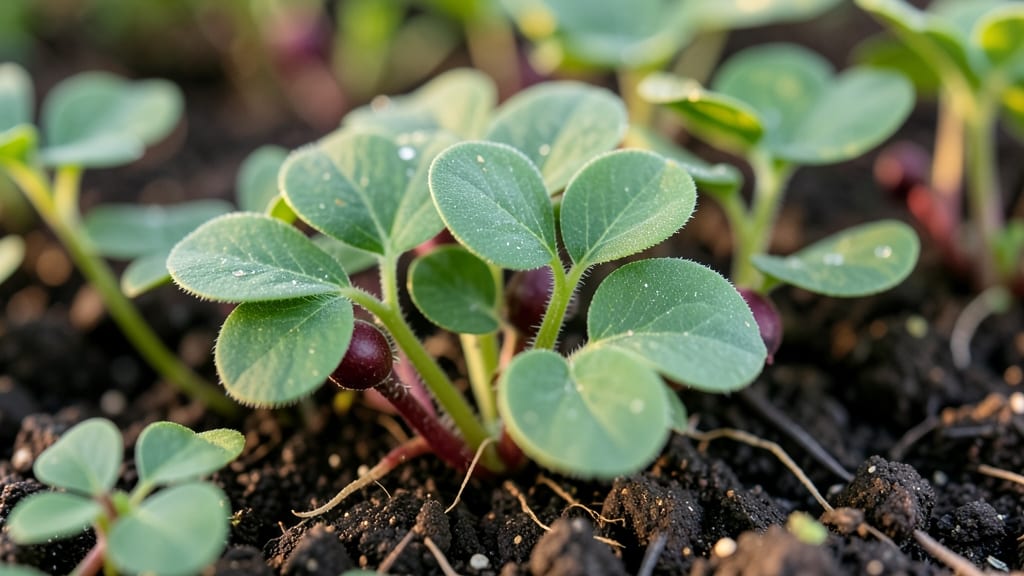
Planting deer food plots in Kentucky at the wrong time could mean missed opportunities for lush forage and fewer whitetails visiting your property. The key to success lies in understanding the two optimal windows—spring and fall—that align with Kentucky's climate and deer behavior patterns.
For most landowners in zones 6a-7a, early spring (March–April) and late summer (August–early September) offer the best chances for strong establishment. These periods balance soil temperatures, rainfall, and deer hunting seasons, ensuring your 🌾 plots thrive when bucks are most active.
But timing isn't just about the calendar—soil conditions, frost dates, and crop selection play critical roles. I'll walk you through exactly what to plant, when to prepare your field, and how to adjust for Kentucky's regional microclimates to maximize both growth and deer attraction.
Whether you're a first-time planter or a seasoned hunter, these insights will help you avoid common mistakes and create food plots that deer can't resist. Let's get started.
Optimal Kentucky food plot planting calendar: spring vs fall breakdown
Kentucky’s two distinct planting seasons for deer food plots—spring and fall—offer different advantages. Spring planting (March-April) gives deer early-season nutrition, while fall planting (August-September) provides late-season forage. The Bluegrass region (USDA zones 6a-7a) has slightly earlier windows than Pennyrile (warmer microclimates), so adjust based on your location.
Spring is ideal for cool-season crops like clover and brassicas, which thrive in Kentucky’s 50-60°F soil temperatures. Fall works best for warm-season crops like soybeans and chicory, which establish before frost. Both seasons require precise timing to avoid late frosts or drought stress.
🌱
📅 Kentucky Food Plot Planting Comparison
| Season | Ideal Planting Window | Soil Temp | Top Crops | Deer Attraction Peak |
|---|---|---|---|---|
| Spring | Mid-March to early April | 50-60°F | Annual clover, turnips, brassicas | Late spring to summer |
| Fall | Late August to early September | 60-70°F | Soybeans, chicory, winter peas | Fall hunting season |
Pro Tip: Use a soil thermometer to confirm temps before planting—this is more accurate than guessing!
For Bluegrass region landowners, aim for March 15-April 15 in spring, as late frosts can still hit after March 15. In Pennyrile, you can push planting to April 1-30 due to warmer microclimates. Fall planting should always finish by September 10 to ensure a 60-day establishment period before frost.
Spring-planted clover mixes (like Dixie clover) provide high-protein forage that deer crave during fawn nursing season (May-June). Fall-planted soybeans offer late-season nutrition when acorns are scarce, making them a hunter’s favorite for post-rut feeding.
If you’re unsure about your local frost dates, check the Kentucky Mesonet or ask your local extension office for 10-year averages. These resources can help you adjust planting dates by 1-2 weeks if needed.
Another key factor is moisture availability. Spring planting requires consistent rainfall for germination, while fall planting benefits from cooler temps and lower evaporation. In drought-prone years, consider fall planting only to avoid seedling stress.
🌿
For maximum deer impact, combine both seasons. Plant spring plots in March for early-season forage and fall plots in August for late-season nutrition. This creates a year-round food source that keeps deer on your property during both hunting seasons.
Remember, soil prep is just as critical as planting timing. Test your soil’s pH (aim for 6.0-7.0) and amend with lime or sulfur 4-6 weeks before planting. Proper soil health ensures faster germination and better deer attraction.
5 Critical factors that determine your perfect planting date in Kentucky
Kentucky’s variable climate means your planting date isn’t just about the calendar—it’s about soil temperatures, rainfall patterns, and even moon phases (yes, really!). Let’s break down the non-negotiable factors that’ll make or break your food plot’s success.
First up: soil temperature is your best friend. Seeds won’t germinate if the ground is too cold, no matter how eager you are to see green sprouts.
Use a soil thermometer ($15 at any garden center) to check depths of 2-4 inches. For most cool-season crops (like clover or brassicas), aim for 50°F (10°C).
Warm-season crops (soybeans, sorghum) need 60°F (15°C) or higher. Pro tip: Kentucky’s Bluegrass Region often hits these temps 2-3 weeks earlier than the Pennyrile area, so adjust accordingly.
🌱
🔍 5 Critical Factors for Perfect Planting Timing
- 🌡️ Soil Temperature: Cool-season crops need 50°F+; warm-season 60°F+. Test with a thermometer!
- 🌧️ Rainfall Forecast: Plant when 1+ inch of rain is predicted within 10 days. Drought = wasted seeds.
- ❄️ Frost Dates: Kentucky’s last frost is March 15 (avg.), but microclimates vary—check local records!
- 🌱 Seed Maturity: Fast-germinating crops (turnips) can handle late starts; slow starters (alfalfa) need early planting.
- 🌙 Moon Phases: Plant root crops (beets, carrots) during a waxing moon; leafy greens (clover) during a waning moon.
Next, rainfall is your secret weapon. Seeds need consistent moisture to germinate, but too much rain can drown them. Check the 10-day forecast before planting—aim for 1+ inch of rain within the first week.
Kentucky’s spring showers are reliable, but August droughts can turn your fall plots into dust bowls. If nature isn’t cooperating, set up a drip irrigation system ($50 for a basic setup) to keep seeds happy.
Don’t overlook frost dates, either. Kentucky’s average last frost is around March 15, but microclimates (like valleys or hilltops) can vary by 2 weeks. Planting too early risks frost damage, while waiting too long delays deer attraction.
For fall planting, shoot for August 1–15 to give crops time to establish before first frost (Nov 15). Use row covers if early frosts sneak in.
Finally, seed maturity matters. Fast-germinating crops like turnips or radishes can handle late starts, but alfalfa or lespedeza need 60+ days to establish. Match your crop to your planting window: Spring? Go for clover or brassicas. Fall? Try soybeans or winter peas.
And yes, moon phases do influence growth—plant root crops during a waxing moon for deeper roots, and leafy greens during a waning moon for bushier growth.
Ready to plant? Grab your soil thermometer, check the weather app, and mark your calendar for March 1–April 15 (spring) or August 1–15 (fall). Your whitetails—and your wallet—will thank you. 🌾