
Plants
Planting a 🍑 peach tree in Texas isn’t just about grabbing a sapling and digging a hole—it’s about matching your variety to the chill hours your region actually delivers. Too early, and frost will nip your young tree in the bud; too late, and your tree might never bloom.
The key? Understanding your local chill-hour zone and planting when the risk of frost has passed but before summer’s heat sets in.
Texas spans three chill-hour zones, from the cooler hill country to the balmy Gulf Coast, and each demands a different approach.
Whether you’re in North Texas where frost lingers into March or South Texas where winter barely dips below 40°F, timing your plant window right ensures your peach tree thrives.
I’ll break down the best varieties for each zone and exactly when to get them in the ground for reliable blooms next spring.
You might think spring is the only time to plant, but in Texas, late winter can be just as critical—especially if you’re in a 600-800 chill-hour zone. The right variety planted at the right time means fewer surprises and more fruit on your tree by May or June.
Let’s cut through the guesswork and get your peach tree off to the best possible start.
From preparing your soil to choosing the perfect spot, I’ll walk you through every step to avoid common pitfalls like frost damage or stunted growth.
Whether you’re a first-time gardener or a seasoned Texas grower, these tips will help you grow a peach tree that’s strong, productive, and built to last through Texas’ unpredictable seasons.
Texas chill-hour zones explained: how they determine peach tree planting success
Peach trees thrive when they experience the right amount of cold dormancy—measured in chill hours. Texas spans three distinct chill-hour zones, each dictating the best peach varieties and planting windows. Understanding your zone ensures your tree blooms reliably and produces fruit without stress.
For example, a 600-chill-hour variety planted in North Texas (800+ hours) will fail to fruit, while a 400-chill-hour variety in South Texas (400-600 hours) may not survive winter.
Chill hours are the number of hours below 45°F (7°C) your tree needs annually to break dormancy. Too few hours, and buds won’t open; too many, and flowers may freeze. Texas’ zones range from 400-600 hours in South Texas to 800+ hours in the Panhandle.
Use the USDA Plant Hardiness Zone Map and local climate data (like Texas A&M AgriLife Extension reports) to pinpoint your exact zone. This precision prevents costly mistakes and maximizes your tree’s potential.
Here’s how chill hours translate to Texas regions: South Texas (400-600 hours): Areas like Brownsville or Corpus Christi need low-chill varieties like ‘Redhaven’ or ‘Elberta’, which tolerate minimal cold. Central Texas (600-800 hours): Cities like Austin or San Antonio can handle ‘Suncrest’ or ‘Contender’, which balance chill needs with heat tolerance. North Texas (800+ hours): Regions like Dallas or Lubbock thrive with ‘Reliance’ or ‘Halehaven’, bred for higher chill accumulation.
Why does this matter? Peach trees need dormancy to set buds for next year’s fruit. If your tree gets too little chill, it skips flowering. Too much chill in warm zones can cause bud freeze during late-winter cold snaps.
For example, a ‘Halehaven’ tree in South Texas might bloom early and get nipped by a 28°F (-2°C) spell, losing its crop. Matching varieties to your zone ensures consistent blooms and harvests year after year.
To find your exact chill hours, check local weather data from NOAA or use tools like the Texas A&M AgriLife Chill Hour Calculator. Enter your ZIP code to see annual chill accumulation. For instance, Houston averages 650 hours, while Lubbock hits 900+ hours.
This data helps you pick the right tree and plant at the optimal time. Pro tip: Plant bare-root trees in late winter (when they’re dormant) to give roots time to establish before summer heat arrives.
Once you know your chill hours, the next step is choosing the right planting season. In North Texas (800+ hours), plant in late winter (February) to avoid early spring frosts. In Central Texas (600-800 hours), early spring (March) is ideal.
For South Texas (400-600 hours), late winter (January-February) works best. This timing aligns with natural dormancy cycles and minimizes stress on young trees.
Another critical factor is soil preparation. Peach trees prefer well-draining soil with a pH of 6.0-6.5. Test your soil before planting—Texas clay soils often need amendments like compost or sand to improve drainage. Poor drainage leads to root rot, a silent killer of peach trees.
In my Central Texas garden, I mix in 3 inches of compost and 1 inch of coarse sand to create the perfect growing medium. This step is non-negotiable for long-term success.
Finally, consider microclimates within your region. A south-facing slope in North Texas might add extra chill hours, while a valley in South Texas could trap cold air. Observe your yard’s frost patterns: Low-lying areas freeze first, while hillsides warm up faster.
Plant your peach tree in a spot that gets full sun (6+ hours daily) and avoids frost pockets. For example, my Dallas backyard has a frost-prone corner, so I planted the tree near a sunny brick wall that radiates heat at night.
By mastering chill-hour zones, you’ll double your chances of growing a healthy, fruiting peach tree in Texas. The key is matching variety to climate, planting at the right time, and preparing the soil properly.
Skip these steps, and you risk poor growth, no fruit, or even tree death. But get it right, and you’ll enjoy juicy Texas peaches for decades.
Best peach tree varieties for Texas by planting season (chill-hour matching guide)
Texas spans three distinct chill-hour zones, each requiring different peach tree varieties for reliable blooms. In 800+ chill-hour zones (South Texas), plant Redhaven or Elberta in February-March for early spring growth. These varieties thrive with Texas' mild winters and long growing seasons.
For 600-800 chill-hour zones (Central Texas), J.H. Hale and Sanguinelle are perfect choices. Plant these late winter (January) to avoid early frost damage while ensuring enough winter chill for dormancy. These varieties balance cold tolerance with Texas heat.
In 400-600 chill-hour zones (North Texas), opt for Bonanza or Contender, which need fall planting (October-November). These varieties handle shorter winters better and establish strong roots before summer heat arrives.
| Variety | Chill-Hour Range | Best Planting Time | Key Feature |
|---|---|---|---|
| Redhaven | 800+ | Feb-Mar | Early ripening, red skin |
| Elberta | 800+ | Feb-Mar | Large fruit, yellow freestone |
| J.H. Hale | 600-800 | Jan | Disease-resistant, white flesh |
| Bonanza | 400-600 | Oct-Nov | Cold-hardy, yellow freestone |
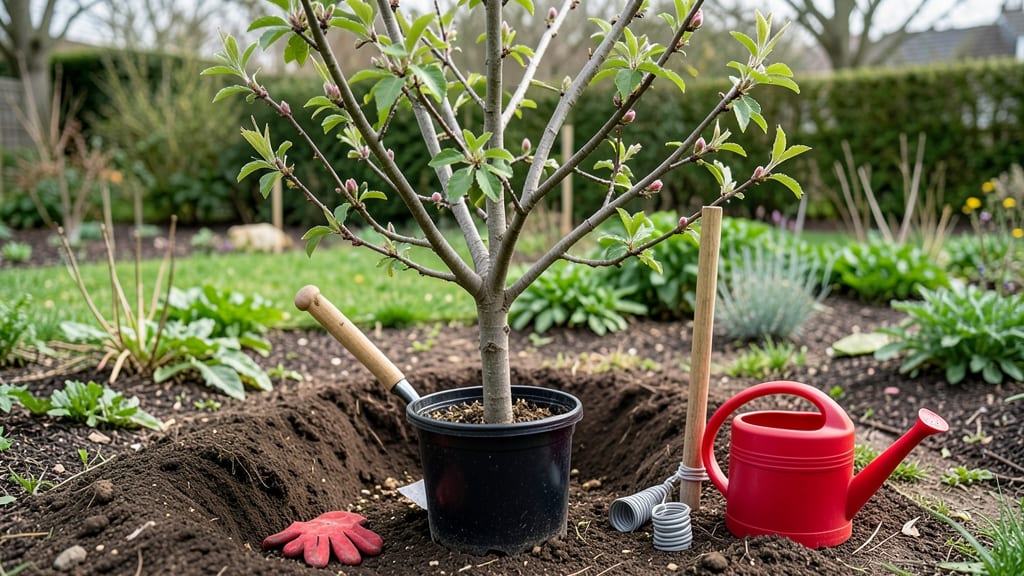
When transplanting, dig a hole twice as wide as the root ball but only as deep as the container. Loosen roots gently to encourage spreading, then backfill with native soil mixed with compost for better moisture retention. Water thoroughly after planting to eliminate air pockets.
For container-grown trees, choose dwarf varieties like Bonanza and plant in 15-gallon pots with drainage holes. Use a well-draining potting mix and move containers to partial shade during summer to prevent heat stress. Container trees can be planted outdoors in spring after frost.
Remember, fall-planted trees establish roots before summer heat arrives, while spring-planted trees benefit from Texas' long growing season. Choose your variety based on your chill-hour zone and planting season for reliable peach production every year. 🍑