
Plants
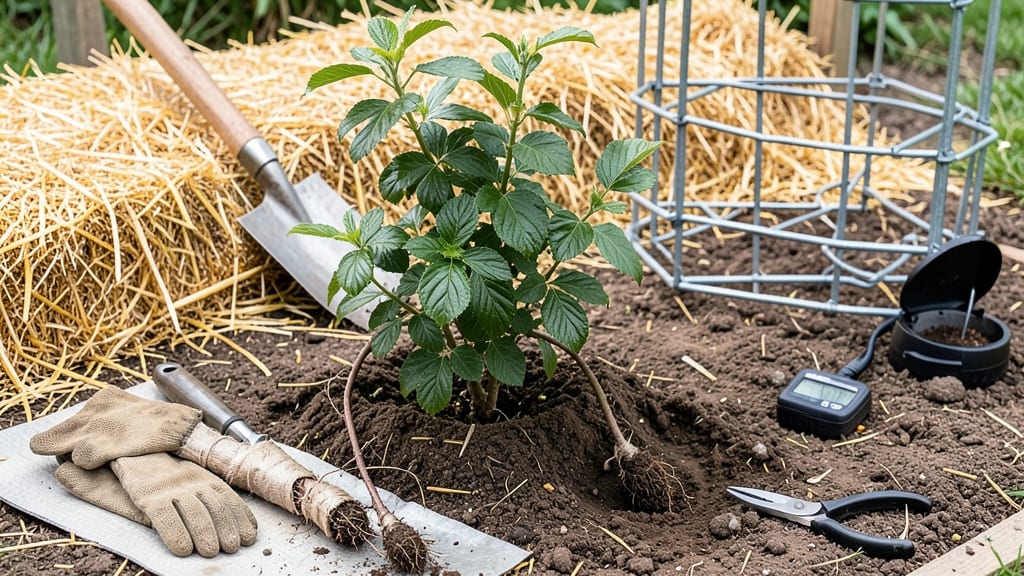
Planting blackberries in Indiana at the wrong time can mean the difference between a thriving 🫐 patch and a disappointing season with little fruit.
The key is matching your variety's chill-hour needs with Indiana's 5b-6b climate—too early, and frost zaps young plants; too late, and they struggle to establish before winter.
Most gardeners in Indiana get it right by planting in early spring (March) or fall (September-October), when soil temps are stable and moisture is reliable.
But here's the catch: thornless varieties need fewer chill hours than traditional types, so your choice of blackberry matters just as much as your calendar.
I'll walk you through exactly when to plant based on your specific variety, how to prep Indiana's often-heavy clay soil, and whether fall or spring gives you the edge. With these timing tips, you'll be harvesting plump, sweet berries from June through August—no guesswork required.
Ready to turn your backyard into a blackberry goldmine? Let's break down the perfect planting windows for Indiana's climate, so you can skip the trial-and-error and get straight to the harvest.
Best planting months in Indiana based on chill hours and variety
Indiana’s USDA zones 5b-6b mean your blackberry planting window hinges on chill hours—the number of hours below 45°F needed to trigger fruiting. Most blackberries need 300-1,000 chill hours, and Indiana delivers that in spades.
The key is matching your variety’s chill requirements to Indiana’s spring frost dates (April 15) and fall frost dates (October 15).
For thornless varieties like ‘Natchez’ or ‘Arapaho’ (500-700 chill hours), aim for early spring (March-April) planting. These varieties are better suited to Indiana’s shorter winters. Traditional thorny types like ‘Triple Crown’ (800-1,000 chill hours) thrive with fall planting (September-October), giving roots time to establish before winter.
Northern Indiana (zones 5b) has longer winters and should prioritize fall planting to avoid early spring frosts. Southern Indiana (zones 6b) can safely plant in late winter (February-March) or early fall, thanks to milder temperatures.
Always check your last frost date—planting too early risks frost damage to tender new growth.
🌱
📋 Indiana Blackberry Planting Summary
| Variety Type | Chill Hours | Best Planting Month | Indiana Zone Fit |
|---|---|---|---|
| Thornless (e.g., Natchez) | 500-700 | March-April | Zones 5b-6b |
| Traditional Thorny (e.g., Triple Crown) | 800-1,000 | September-October | Zones 5b-6b |
| Everbearing (e.g., Chester) | 300-500 | March or September | Zones 6b (milder winters) |
💡 Pro Tip: Bare-root canes establish faster than potted plants in Indiana’s clay soil.
If you’re planting in fall (September-October), choose a day when soil temperatures are above 50°F but nights dip below 60°F. This mimics natural dormancy cues. For spring planting (March-April), wait until soil is workable (no more mud clumps) and frost risk has passed.
In northern Indiana, this might mean waiting until mid-April.
Everbearing varieties like ‘Chester’ are the low-chill champions (300-500 hours), making them ideal for southern Indiana’s milder winters. These produce two harvests per year—one in early summer and another in fall. Plant them in full sun with 6+ hours of light to maximize fruit production.
🌿
Indiana’s variable weather means flexibility is key. If you miss the ideal window, potted blackberries can be planted in late spring (May), though they may not fruit until the following year. Always mulch heavily after planting to retain moisture and insulate roots during Indiana’s freeze-thaw cycles.
For container growing in Indiana, use 5-gallon pots with drainage holes and plant in May after last frost. Containers warm up faster in spring, giving you a 2-3 week head start over in-ground plantings. Just be prepared to move pots indoors if a late frost hits.
Fall vs. spring planting in Indiana: which works better?
Deciding between fall and spring planting for blackberries in Indiana depends on your local microclimate and the variety you’re growing. Both seasons offer advantages, but one may align better with your USDA zone (5b-6b) and frost dates.
Let’s break down the pros and cons to help you choose the best time for your blackberry patch.
In northern Indiana (closer to USDA zone 5b), spring planting often gives blackberries a head start before summer heat arrives. Meanwhile, southern Indiana (zone 6b) benefits from fall planting, allowing roots to establish before winter dormancy.
Your decision hinges on frost timing—aim to plant 4-6 weeks before your first hard frost (typically mid-October) or after the last frost (mid-April).
Here’s how each method stacks up for Indiana’s climate:
- Roots establish before summer stress
- Less competition from weeds
- Better survival in zone 6b
- Risk of early frost damage
- Limited time to adjust soil
- Longer growing season ahead
- Easier soil prep before planting
- Better for thornless varieties
- Summer heat stress possible
- Weed competition increases
For thornless varieties (like ‘Natchez’ or ‘Cheyenne’), spring planting often works best because they’re less cold-hardy and need time to establish before Indiana’s hot, humid summers. Traditional varieties (e.g., ‘Triple Crown’) handle fall planting better due to their higher chill-hour requirements (600-1,000 hours).
If you’re in northern Indiana, err on the side of spring planting (late March to early April) to avoid early frosts. In southern Indiana, fall planting (September) gives your blackberries a strong root system before winter.
Always check your local frost dates—Indiana’s can vary by 1-2 weeks even within the same county!
Pro tip: If you’re unsure, plant in both seasons—start with a few canes in spring and others in fall to test what works best for your yard. Mulch heavily after planting to protect roots from temperature swings, whether you choose fall or spring.