
Flowers
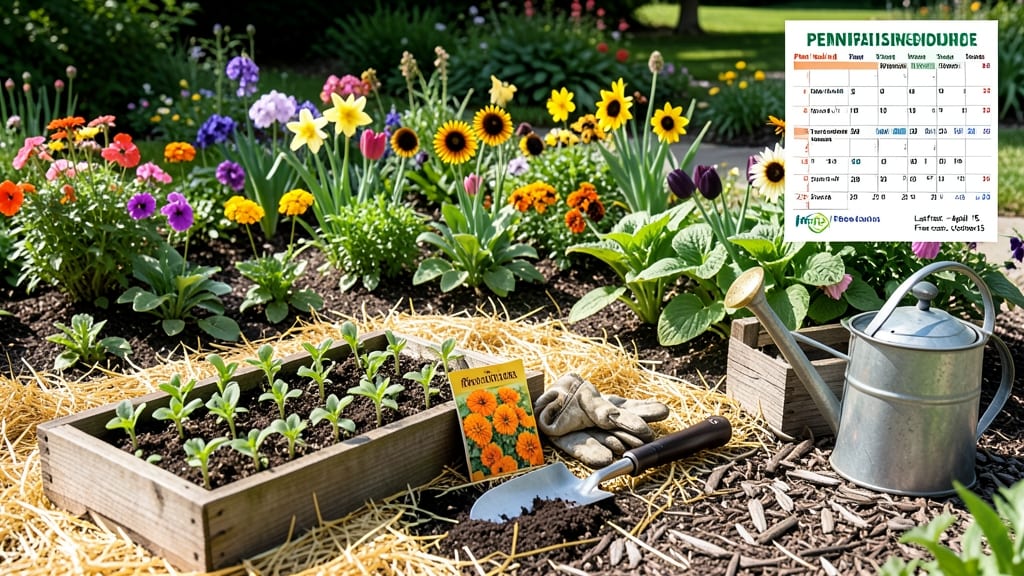
Planting your 🌸 flowers at the wrong time in Pennsylvania could mean watching them wilt before they even bloom—especially when last frosts linger well into May. The key to a thriving garden lies in understanding your zone’s unique timing, whether you’re in Pittsburgh’s cooler microclimate or Philadelphia’s slightly warmer pockets.
With USDA Zones 5b-7a offering a narrow window between frost dates and summer heat, getting the timing right makes all the difference. I’ll break down exactly when to plant annuals, perennials, and bulbs so you can maximize your garden’s potential without the guesswork.
From cold-hardy pansies that brave early springs to heat-tolerant zinnias that shine in late summer, this guide covers the best months for every flower type. You’ll also learn how to adjust for Pennsylvania’s regional variations—because what works in Scranton won’t always work in Lancaster.
Ready to transform your garden into a year-round explosion of color? Let’s dive into the planting schedule that’ll keep your flowers blooming from March through October—no frost surprises included.
Pennsylvania planting calendar by flower type: annuals, perennials, and bulbs
Pennsylvania’s USDA Zones 5-7 create a unique challenge for gardeners—late spring frosts can still strike after April 15, while fall planting must happen before the first frost around October 15. The key?
Matching your flower type to the right planting window. Annuals like marigolds thrive when soil reaches 60°F, while perennials often need early spring or fall prep to establish roots before winter.
Bulbs like tulips and daffodils demand even more precision—plant them 6-8 weeks before last frost (typically October-November for fall planting or September for spring blooms). Meanwhile, cool-season annuals such as pansies and snapdragons can handle light frosts and often bloom earlier if sown in early spring or late summer.
| Flower Type | Best Planting Time | Notes |
|---|---|---|
| Cool-Season Annuals (Pansies, Snapdragons) | March 15–April 30 or August 1–September 15 | Tolerates light frost; sow seeds indoors 4-6 weeks before last frost. |
| Warm-Season Annuals (Marigolds, Zinnias) | After last frost (May 1–June 15) | Wait until soil is 60°F+; start seeds indoors 6-8 weeks before transplanting. |
| Perennials (Coneflowers, Black-Eyed Susans) | April 1–May 15 or August 15–September 15 | Establishes roots before winter; divide clumps every 3-4 years. |
| Spring-Blooming Bulbs (Tulips, Daffodils) | October–November (for spring blooms) | Plant 6-8 inches deep; avoid disturbing after planting. |
| Fall-Blooming Bulbs (Chrysanthemums, Fall Crocus) | August–September | Needs 6-8 weeks to root before frost; ideal for late-season color. |
For northern Pennsylvania (e.g., Erie or State College), where frosts linger later, shift planting 2-3 weeks later than the chart suggests. In southern PA (e.g., Philadelphia or Reading), you can start 1-2 weeks earlier—just monitor soil temperature with a soil thermometer to avoid cold damage.
Pro tip: Use row covers or cold frames to extend your spring planting window by 2-4 weeks.
If you’re planting seeds (like cosmos or sunflowers), start them indoors 4-6 weeks before last frost or direct-sow after May 15.
For transplants, wait until nighttime temperatures stay above 50°F—this usually aligns with late May in most of PA. Container-grown flowers (e.g., geraniums) can handle transplanting earlier, as their roots are less sensitive to cold.
Don’t overlook fall planting—it’s your secret weapon for early spring blooms. Plant hardy perennials like sedum or Russian sage in September so they establish roots before winter. For annuals, focus on cool-season varieties like kale or pansies to brighten up your garden until first frost.
One of my biggest mistakes early on was planting tender annuals like petunias too soon in Zone 6. They wilted under unpredictable May frosts, but I’ve since learned to wait until after Memorial Day (around May 30) for these heat-lovers. <
How to avoid common Pennsylvania planting mistakes (and when to adjust for microclimates)
Pennsylvania’s diverse microclimates mean a 3-week difference in last frost dates between Pittsburgh and Philadelphia. Planting pansies in Zone 6 too early could turn your garden into a sad, frost-nibbled mess.
I’ve seen this mistake too often—even experienced gardeners overlook how urban heat islands in cities like Allentown can push planting windows 10 days earlier than rural areas.
Your first mistake might be ignoring soil temperature. Seeds need 60°F soil to germinate, but a cool spring can delay growth by weeks.
Use a soil thermometer ($10 at garden centers) to check before planting warm-season flowers like marigolds or zinnias—they won’t thrive if soil stays below 55°F.
Another trap? Planting bulbs at the wrong depth. Tulips need 6-8 inches deep, but daffodils only require 4-6 inches. I once watched a neighbor’s tulip bulbs rot because they were buried too shallow—now I triple-check with a depth gauge before planting.
⚠️ Pennsylvania Planting Pitfalls
- Planting too early: Frost-sensitive annuals (like petunias) in Zone 5b before May 15
- Ignoring microclimates: Philadelphia (Zone 7a) vs. Erie (Zone 5b) = 2-week difference
- Skipping soil tests: Clay soil in Pittsburgh needs compost; sandy soil in Lancaster drains too fast
- Overcrowding: Perennials like coneflowers need 2-3 feet spacing
Pro Tip: Use frost cloth for 2 extra weeks of protection in northern PA.
Don’t forget frost pockets—low-lying areas in your yard can stay 5°F colder than higher spots. I learned this the hard way when my pansies survived in a south-facing bed but died overnight in a north-facing trough.
Move tender plants to sheltered spots or use row covers if your garden has uneven terrain.
For fall planting, time it right: August 1–September 30 is ideal, but Zone 5b gardeners should stop by September 15 to avoid early frosts. I once planted calendulas in late September in Scranton—they bolted before blooming. Now I check the Penn State Extension frost map annually.
Adjust for your local nursery advice. A Philadelphia garden center might recommend planting geraniums in April, while a State College store will warn you to wait until May 10.
When in doubt, start seeds indoors 6-8 weeks before your last frost date—it’s the safest bet for Pennsylvania’s unpredictable spring.