
Plants
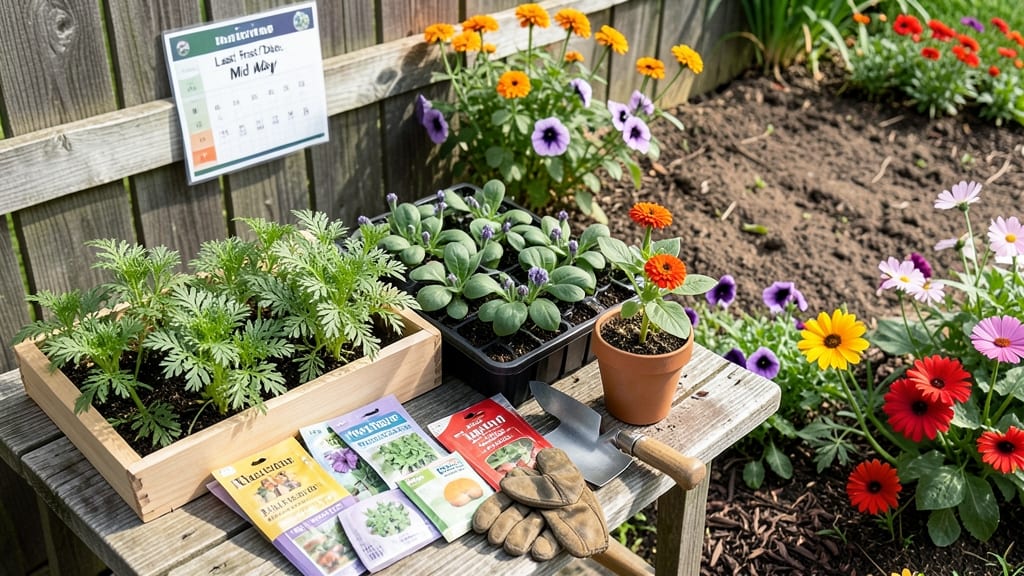
Planting annuals in Zone 5 at the wrong time can mean the difference between a vibrant garden and a sad pile of frost-nipped seedlings. The key isn’t just waiting for spring—it’s understanding your exact last frost date and soil warmth to give your 🌱 a fighting chance.
I’ve learned the hard way that even experienced gardeners sometimes misjudge timing. Whether you’re sowing marigolds for pest control or petunias for color, getting these details right ensures your plants thrive all summer long. Let’s break down the science so you can avoid common mistakes.
Most Zone 5 gardeners aim for 2-4 weeks before the average last frost, but regional differences matter. Northern areas like Michigan might wait until mid-May, while southern parts of the zone can start earlier. We’ll cover exactly when to plant for both cool-season and warm-season varieties.
Ready to transform your garden? You’ll discover how to adjust for unpredictable frosts, choose the right annuals for your timeline, and even extend your growing season with simple tricks. Let’s get those seeds in the ground at the perfect moment!
Zone 5 last frost dates by region: exact weeks before planting annuals
Timing your annuals in Zone 5 depends on knowing your last frost date, which varies by 1-3 weeks across the region. Northern areas like Duluth, MN average May 15, while southern spots like Cincinnati, OH see frost by April 15.
These dates determine when to plant warm-season (like tomatoes) vs. cool-season (like lettuce) annuals for maximum growth.
For warm-season annuals, plant 2-4 weeks after your last frost when soil reaches 60°F+. Cool-season varieties like pansies can handle light frost and should go in 4-6 weeks before your last frost date. Check your local USDA Plant Hardiness Zone Map for precise regional adjustments.
Here’s how to use these dates: Mark your calendar 2 weeks before your last frost for direct-sowing cool-season crops, and 1-2 weeks after for transplanting warm-season seedlings. In Zone 5, this typically means late April to early May for most gardeners.
| Region | Avg. Last Frost | Cool-Season Planting Window | Warm-Season Planting Window |
|---|---|---|---|
| Northern IL (Chicago) | May 5 | April 1-15 | May 15-30 |
| Western PA (Pittsburgh) | April 25 | March 25-April 10 | May 5-20 |
| Southern MN (Minneapolis) | May 10 | April 1-15 | May 20-30 |
| Ohio (Columbus) | April 15 | March 20-April 5 | May 1-15 |
| Northern WI (Madison) | May 15 | April 15-May 1 | June 1-10 |
Use this table as your planting roadmap. For example, in Chicago, sow spinach in early April but wait until late May to plant tomatoes. Always verify with your local Cooperative Extension office for microclimate adjustments—urban areas often warm faster than rural spots.
Pro tip: Hardy annuals like calendula or snapdragons can tolerate light frost and may be planted 2-3 weeks before your last frost date. Meanwhile, heat-loving varieties like basil need to wait until soil is consistently 70°F+.
For fall planting, aim to sow cool-season annuals 90-100 days before your first frost (typically September 15-October 1 in Zone 5). This ensures blooms or harvests before winter sets in. Marigolds and pansies are excellent choices for late-season color.
Remember: Soil temperature matters more than air temperature. Use a soil thermometer to confirm 50°F+ for cool-season crops and 60°F+ for warm-season plants. Cold soil slows germination and stunts growth, even if air temps seem ideal.
If you’re unsure about your exact last frost date, start seeds indoors 6-8 weeks before your target outdoor planting date. This gives seedlings a head start and allows flexibility if frost lingers. For Zone 5, that means late February to early March for most annuals.
Finally, account for microclimates in your garden. South-facing beds warm faster than north-facing ones, and low spots may stay colder longer. Adjust planting dates by 1 week earlier for sunny, sheltered areas and 1 week later for shady or windy spots.
Best annuals for Zone 5 by planting window: cool-season vs. warm-season guide
Choosing the right annuals for Zone 5 depends on whether you're planting for cool-season blooms or warm-season heat lovers. My garden thrives when I align planting with temperature trends—cool-season plants like pansies and snapdragons handle light frosts, while tomatoes and marigolds need warm soil to avoid stunted growth.
For cool-season annuals, start seeds indoors 6-8 weeks before your last frost date (typically early March in Zone 5). These plants tolerate light frosts and even brief freezes, making them perfect for early spring or late summer planting.
My favorite cool-season picks include pansies, sweet alyssum, and calendula.
Warm-season annuals, like basil, petunias, and zinnias, need soil temperatures above 55°F to germinate. Wait until 2-3 weeks after your last frost date (usually mid-May) to direct-sow or transplant these heat-loving plants. Marigolds and cosmos are my go-to choices for late summer color.
To extend your growing season, use row covers or cold frames for cool-season plants. I’ve successfully grown lettuce and spinach until November by covering them with lightweight fabric. For warm-season plants, harden off seedlings gradually to avoid shock when moving them outdoors.
Pro tip: Fast-maturing varieties like bush beans or radishes can stretch your planting window. I plant these 2 weeks before my usual warm-season start date to squeeze in extra harvests. Always check seed packets for days to maturity—this tells you exactly when to plant for a summer-long display.
Remember, Zone 5 microclimates vary—south-facing beds warm up faster than shady spots. Test your soil temperature with a soil thermometer before planting warm-season annuals. If it’s below 60°F, wait another week or two to avoid poor germination.