
Flowers
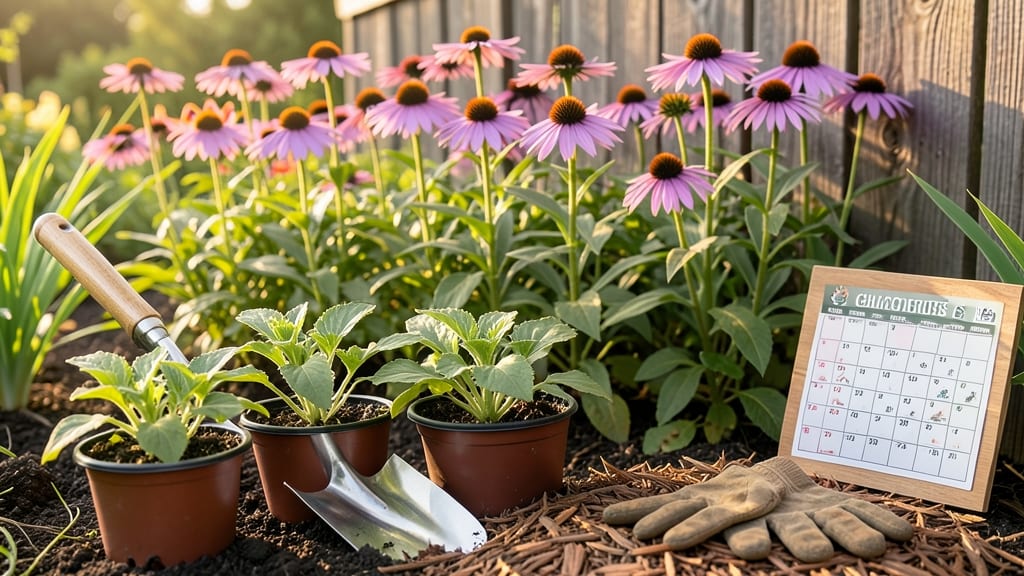
Planting your 🌸 flowers at the wrong time in Chicago can mean the difference between a showstopping garden and a sad, frost-nipped disappointment. The city’s last frost typically hits around April 15, but waiting too long risks missing the prime window for vibrant blooms that last all season.
If you’ve ever rushed to plant only to watch delicate petals wilt in a surprise late frost, you’re not alone.
Chicago’s USDA Zone 5b-6a climate demands precision—annuals like marigolds and zinnias need to wait until after May 15, while hardy perennials like coneflowers can handle an earlier start in March.
Here’s the game-changer: a month-by-month planting schedule tailored to Chicago’s quirks, from protecting early blooms with row covers to choosing frost-resistant varieties. Let’s turn those frost-free days into a calendar for a garden that thrives.
Whether you’re a first-time gardener or a seasoned green thumb, these insights will help you time your plantings perfectly—so you can enjoy April to October blooms without the guesswork.
Chicago’s frost-free dates by month: the critical timeline for flower planting
Chicago’s USDA Zone 5b-6a means gardeners face a 150-day growing season with unpredictable frost. The average last frost date hovers around April 15, but late frosts can hit as late as May 10.
Waiting too long risks stunted growth, while planting too early can kill tender seedlings. Understanding these microclimate variations—like the Lake Effect near Lake Michigan—helps you time plantings perfectly.
For annual flowers, start seeds indoors 6-8 weeks before your target planting date. Hardy perennials like coneflowers and black-eyed Susans can go in the ground as early as late March if protected, while delicate petunias need to wait until after May 15.
Bulbs like tulips should be planted in fall (October) for spring blooms.
Here’s how Chicago’s frost-free timeline breaks down by month, with key planting windows for your garden:
| Month | Average Last Frost | Best Planting Window | Risk Level |
|---|---|---|---|
| March | Late March (Zone 6a) | Cold-hardy perennials (e.g., columbine, bleeding heart) | High (late frosts) |
| April | Mid-April (Zone 5b) | Peonies, lilacs, early bulbs (daffodils) | Medium (watch for April showers) |
| May | May 10-15 (safe for tender plants) | Annuals (marigolds, zinnias), tomatoes, peppers | Low (after May 15) |
| June | N/A (frost-free) | Direct-sow heat lovers (e.g., sunflowers, cosmos) | None |
| September | N/A (first frost: Oct 15) | Cool-season annuals (pansies, snapdragons) | Low (early Sept) |
🌱 Pro Tip: Use frost cloth to extend early spring planting by 2-3 weeks.
Chicago’s urban heat islands can push frost dates 3-5 days earlier in downtown areas compared to suburbs. If you’re near Lake Michigan, expect cooler nights that delay planting by a week. Always check the National Weather Service for real-time updates—late April is the most unpredictable month.
For bulbs like tulips, plant them in October (6-8 weeks before ground freezes) to ensure roots establish before winter. Perennials like daylilies can handle early spring planting, but annuals like geraniums need to wait until soil warms to 50°F (use a soil thermometer!).
If you’re sowing seeds, start petunias and impatiens indoors in March for May transplants. Marigolds and zinnias can be direct-sown after May 15—they’re heat-tolerant and bounce back from frost nips. For container gardening, move potted plants indoors if a frost warning hits after June 1.
Remember: Early planting risks frost damage, while late planting means missed blooms. Use row covers or cold frames to push your season 2-4 weeks earlier for cold-hardy flowers like stock or snapdragons. Track your local frost history—Chicago’s 10-year average may not match your microclimate!
For fall planting, aim for September 15-October 15 to give cool-season flowers like pansies and kale time to root before winter. Mulch heavily after planting to protect roots from freeze-thaw cycles. With these dates in mind, your Chicago garden will bloom like never before—no more frost surprises!
Best flowers to plant in Chicago by season: a month-by-month survival guide
Chicago’s blooming season thrives when you match flowers to the right month. Start with cold-hardy perennials like columbine and bleeding heart in early spring, then transition to heat-lovers like zinnias and black-eyed Susans by summer. Fall brings pansies and mums for late-season color.
Your planting calendar should account for Chicago’s USDA Zone 5b-6a and microclimates. Urban areas stay warmer than suburbs, while Lake Michigan’s influence creates cooler pockets near the shore. Always check weekly frost forecasts from the National Weather Service for real-time adjustments.
Flowers: Tulips, daffodils, crocus, bleeding heart, columbine
Planting: Bulbs in late March; perennials after last frost (April 15)
Pro Tip: Use mulch to protect roots from late frosts 🌡️
Flowers: Petunias, marigolds, snapdragons, coneflowers
Planting: Annuals after May 15 when soil warms to 55°F+
Pro Tip: Hardening off seedlings for 1 week before transplanting ✂️
Flowers: Zinnias, black-eyed Susans, cosmos, sunflowers
Planting: Succession plant every 3-4 weeks for continuous blooms
Pro Tip: Deadhead weekly to extend flowering until first frost 🌻
Flowers: Pansies, mums, asters, ornamental kale
Planting: Pansies by September 1; mums by September 15
Pro Tip: Plant bulbs like tulips in October for spring blooms 🌷
For container gardening, prioritize compact varieties like pansies and geraniums. These thrive in small spaces and tolerate Chicago’s urban heat islands. Always use well-draining soil with organic matter to prevent root rot during summer downpours.
Chicago’s fall planting offers a second chance for colorful gardens. Pansies and snapdragons handle light frosts beautifully, while ornamental grasses add winter interest. Start bulb planting in October for early spring surprises like daffodils and hyacinths.
Remember: Soil temperature matters as much as air temperature. Use a soil thermometer to confirm 50°F+ before planting warm-season annuals. Chicago’s lake-effect can delay warming—plan accordingly for northern suburbs.