
Flowers
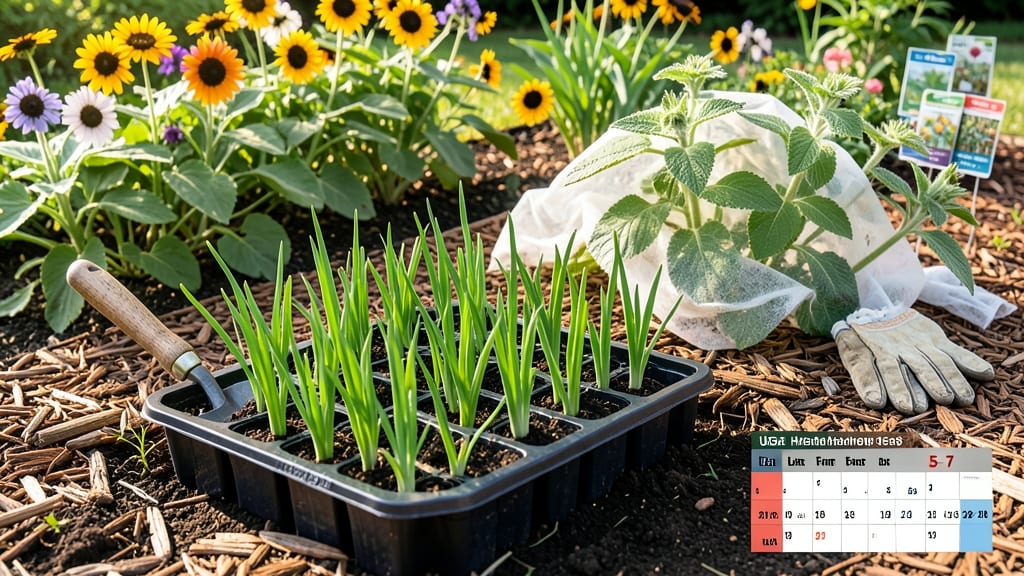
Timing your flower planting in Michigan can feel like playing a high-stakes game of chance—get it wrong, and you risk frost-nipped blooms or wasted seeds.
But with the right zone-specific calendar, you can turn your yard into a vibrant canvas from spring to fall, no matter if you're in Detroit or Traverse City.
The key is knowing when to plant 🌸 flowers based on your hardiness zone (5b-6b) and last frost dates, which can vary by 2-3 weeks across the state.
Whether you're dreaming of bold annuals or hardy perennials, the secret lies in planting after mid-April for spring blooms or late summer for fall color.
In this guide, I’ll break down the best months for each flower type—plus how to adjust for Michigan’s unpredictable weather—so you can enjoy months-long blooms without the guesswork. Ready to turn your garden into a showstopper?
From tulips to zinnias, we’ll cover everything you need to know to plant with confidence, whether you’re a seasoned gardener or just starting your green thumb journey.
Michigan flower planting calendar by hardiness zones (5b, 6a, 6b)
Michigan’s three USDA hardiness zones (5b, 6a, 6b) create subtle but important differences in planting times. Zone 5b (northern Michigan) has later last-frost dates (May 15–20), while Zone 6b (southern Michigan) can start as early as April 15.
Always check your local Michigan State University Extension frost date maps for precision.
For spring planting (April–May), aim for soil temperatures above 50°F (10°C)—use a soil thermometer to confirm. In Zone 6b, you can plant cool-season annuals like pansies and snapdragons as early as late March, while Zone 5b gardeners should wait until mid-April.
Fall planting (August–September) works best for perennials and bulbs like daffodils and chrysanthemums. In Zone 6b, you can plant until early October, while Zone 5b should finish by mid-September to avoid winter damage.
The summary-table below breaks down ideal planting windows by flower type and zone, including frost-sensitive annuals and hardy perennials. Use this as your go-to reference before digging in!
| Flower Type | Zone 5b (Northern MI) | Zone 6a (Central MI) | Zone 6b (Southern MI) |
|---|---|---|---|
| Cool-Season Annuals (Pansies, Snapdragons) | Late March–April | Late March–April | Late March–Early April |
| Warm-Season Annuals (Marigolds, Petunias) | After May 15 | After May 1 | After April 20 |
| Perennials (Coneflowers, Black-Eyed Susans) | April–May | April–May | April–May |
| Spring-Blooming Bulbs (Tulips, Daffodils) | September–October (Fall) | September–October (Fall) | September–October (Fall) |
| Fall Annuals (Mums, Asters) | August–September | August–September | August–Early October |
Pro tip: Zone 6b gardeners can push the envelope by starting tender annuals like geraniums indoors in March, then transplant after the last frost. Use row covers to extend the season if a late frost threatens.
For bulbs like tulips, plant in fall (September–October)—they need cold stratification to bloom. In Zone 5b, aim for early September before the ground freezes, while Zone 6b has until mid-October.
Always monitor local weather forecasts in late April/early May—Michigan’s late frosts can still hit hard. If frost is predicted, cover delicate plants with frost cloth or move potted flowers indoors temporarily.
Remember: Soil temperature matters more than air temperature. Use a soil thermometer to confirm it’s at least 50°F (10°C) before planting warm-season flowers like zinnias or sunflowers.
🌱
Best flowers to plant in Michigan by season (spring, summer, fall)
Michigan’s diverse climate lets you enjoy flowers year-round with the right seasonal choices. Spring brings cool-weather champions like pansies and snapdragons, while summer thrives with heat-loving zinnias and marigolds.
Fall extends the season with mums and asters, even as temperatures drop. The key is matching each flower’s hardiness and bloom time to Michigan’s shifting seasons.
For spring blooms, focus on bulbs like tulips and daffodils (plant in fall) alongside annuals such as petunias and pansies, which tolerate light frosts. Summer demands sun-loving annuals like zinnias and cosmos, while perennials like black-eyed Susans thrive with minimal care.
Fall’s cooler temps suit hardy mums and asters, which bloom until frost.
🌸
- Pansies: Tolerate light frost, bloom March–June
- Snapdragons: Cool-season, 4–6 ft tall, March–May planting
- Tulips/Daffodils: Plant fall bulbs for April–May blooms
- Sweet Alyssum: Fragrant, shade-tolerant, March–June
- Zinnias: Drought-tolerant, June–Frost blooms, plant after May 15
- Marigolds: Pest-repellent, June–October, full sun
- Cosmos: Self-seeding, tall and airy, July–Frost
- Sunflowers: Fast-growing, June–August planting for summer height
- Mums (Chrysanthemums): September planting for October–Frost color
- Asters: Late-season nectar, September–October blooms
- Goldenrod: Native pollinator favorite, August–October
- Calendula: Edible petals, tolerates cool temps, plant August–September
To extend blooms, succession plant annuals like zinnias every 2–3 weeks from June to August. For perennials, deadhead spent blooms to encourage reblooming—especially with coneflowers and black-eyed Susans. In fall, protect tender plants like mums with row covers if frost threatens early.
Pro tip: Use Michigan’s frost-free days (150–180) to plan fall planting. For example, plant mums by August 15 in southern Michigan to ensure 6–8 weeks of growth before frost. In northern zones, start 2 weeks earlier to account for cooler soils.
🌿