
Plants
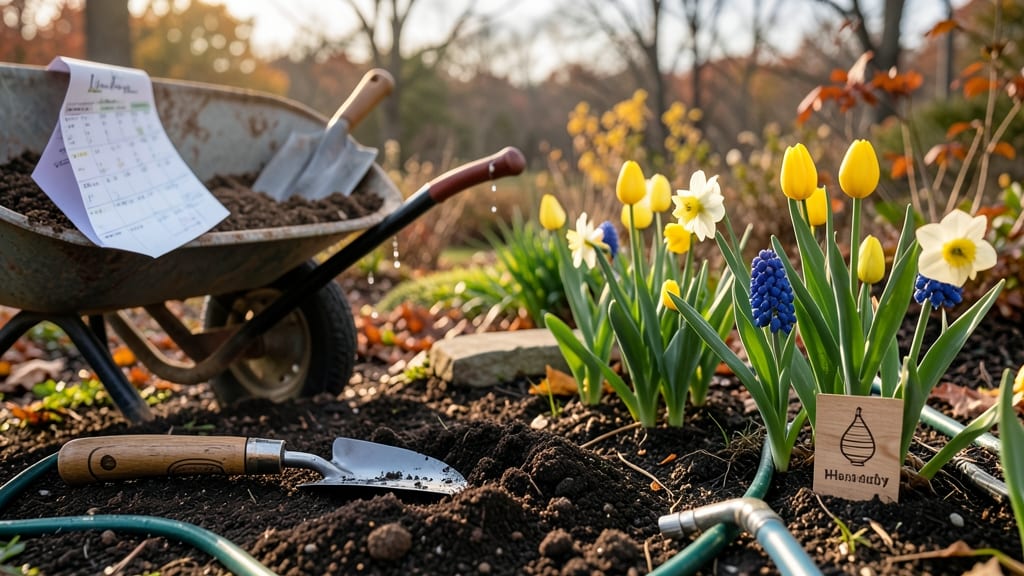
Timing when to plant bulbs in New England just right means the difference between a garden bursting with color and a sad, frost-killed disappointment. Plant too early, and they’ll rot before winter; too late, and they won’t root in time to survive the cold.
But here’s the secret: the 6-week rule before your first hard frost is your golden ticket to reliable blooms every spring.
Most gardeners in zones 5a-6b swear by fall planting—September through November—when soil stays warm just long enough for roots to establish. Yet, even experienced growers sometimes miss that window, leaving them scrambling in spring.
The good news? Not all bulbs are created equal, and some actually thrive with a delayed start.
Whether you’re a first-time planter or a seasoned pro, knowing which bulbs to trust with fall planting (like daffodils and tulips) and which can handle spring (like crocuses) will save you time—and money.
I’ll break down the exact timeline, soil prep tips, and even a state-by-state frost date guide so you can plant with confidence.
Ready to skip the guesswork? Let’s dive into the foolproof method for planting bulbs that’ll reward you with months of vibrant blooms—no matter what New England throws at them.
Fall bulb planting timeline in New England: the 6-Week rule for frost-proof success
New England’s fall planting window is your golden opportunity to ensure spring blooms that defy even the harshest winters. The key? Planting bulbs 6 weeks before the first hard frost.
This timing lets roots establish before the ground freezes, giving your daffodils, tulips, and crocuses the energy they need to push through snow and ice. Miss this window, and you risk bulbs rotting in soggy soil or drying out before winter—neither outcome ends with those dreamy spring displays.
Most spring-blooming bulbs (like tulips and hyacinths) need this fall prep time to develop strong root systems. Without it, they’ll struggle to survive the cold. Even hardy varieties like daffodils benefit from early planting, though they’re more forgiving if you’re a few weeks late.
Think of fall planting as a winter survival strategy—the deeper and earlier you plant, the better your bulbs will handle New England’s freeze-thaw cycles.
Here’s the critical timeline for New England gardeners: Aim to plant late September through mid-November, depending on your USDA zone (5a-6b). For example, Maine (Zone 5a) should plant by early October, while Connecticut (Zone 6b) can extend planting until mid-November.
Use your average first frost date as your guide—subtract 6 weeks to calculate your ideal planting window.
🌱 New England Bulb Planting Summary
| Bulb Type | Ideal Planting Month | Depth (inches) | Spacing (inches) | Notes |
|---|---|---|---|---|
| Daffodils | September-October | 6-8 | 4-6 | Deer-resistant; naturalizes well |
| Tulips | October-November | 6-8 | 4-6 | Plant deeper in colder zones |
| Hyacinths | September-October | 6-8 | 4-6 | Fragrant; needs well-draining soil |
| Crocuses | September-October | 3-4 | 3-4 | Early bloomers; great for pollinators |
| Alliums | September-October | 6-8 | 6-8 | Drought-tolerant; stunning globe flowers |
Don’t overlook soil preparation—this is where many gardeners go wrong. Before planting, amend your soil with compost or well-rotted manure to improve drainage, especially if your garden sits in a low-lying area where water pools. Bulbs rot in soggy soil, so aim for well-draining, loose soil.
If your soil is heavy clay, consider planting in raised beds or mounding soil to create better drainage. A quick soil test for pH (6.0-7.0) ensures bulbs can absorb nutrients efficiently.
When it comes to planting depth, follow the rule of thumb: plant bulbs 3 times as deep as their diameter. For most spring-blooming bulbs, this means 6-8 inches deep.
Smaller bulbs like crocuses can go shallower (3-4 inches), while larger ones like tulips benefit from deeper planting (8 inches) in colder zones. Use a bulb planter or trowel to dig holes, place bulbs pointy end up, and cover with soil.
Water thoroughly after planting to settle the soil and encourage root growth.
One of the biggest mistakes I see is overcrowding bulbs. Space them 4-6 inches apart (or 6-8 inches for larger bulbs like alliums) to allow room for roots to spread. Overcrowding leads to smaller blooms and increases the risk of disease.
After planting, add a 2-3 inch layer of mulch (like straw or shredded leaves) to insulate bulbs from temperature swings and retain moisture. Just be sure to pull back the mulch in early spring to prevent rot as temperatures rise.
New England’s microclimates can vary drastically even within a single state. For example, coastal Maine may have milder winters than inland Vermont, so adjust your planting timeline accordingly.
If you’re unsure about your first frost date, check local resources like the National Weather Service or your cooperative extension service. They provide historical frost data tailored to your specific area.
Pro tip: Plant a test bulb a week before your calculated deadline—if it sprouts before winter, you’re safe to plant the rest!
Finally, remember that not all bulbs
Spring planting alternatives for late fall misses: bulbs that can handle delayed start
Missed the fall planting window? Don’t panic—some bulbs thrive even when planted in spring. While most spring-blooming bulbs need fall prep, varieties like caladiums, gladiolus, and canna lilies adapt to warmer starts. These bulbs focus on root growth first, so they’ll catch up once temperatures rise.
For traditional spring bloomers like tulips or hyacinths, spring planting is risky, but not impossible. The key is soil temperature—wait until the ground warms to 60°F (15°C) or higher. This usually aligns with late April to early May in New England, depending on your microclimate.
Here’s the critical 3-step process for spring planting success: first, amend your soil with compost to improve drainage; second, plant bulbs shallower than fall** (3–4 inches deep) since roots need quick access to moisture; third, water deeply and consistently to encourage root establishment before summer heat arrives.
| Bulb Type | Spring Planting Viability | Bloom Time Shift | Notes |
|---|---|---|---|
| Daffodils | ✅ Possible (hardy) | 1–2 weeks later | Plant in well-draining soil; mulch after planting. |
| Tulips | ⚠️ Risky (may not bloom) | 3–4 weeks later (if any) | Best for Darwin Hybrid varieties. |
| Crocus | ❌ Not recommended | N/A | Requires fall chill for blooming. |
| Caladiums | ✅ Ideal for spring | Same as fall | Loves shade and moisture. |
| Gladiolus | ✅ Best for spring | Summer blooms | Plant corms in warm soil. |
Spring-planted bulbs may bloom later than their fall counterparts, but with the right care, they’ll still deliver stunning results. For example, daffodils planted in May might not bloom until late May or early June instead of April—but they’ll return year after year if given proper care.
Pro tip: Pair spring-planted bulbs with annuals like pansies or snapdragons to fill gaps until your delayed blooms arrive. This creates a seamless transition and keeps your garden vibrant all season long.
Remember, soil prep is everything. Test your soil’s pH (aim for 6.0–7.0) and add organic matter like leaf mold or well-rotted manure. This gives your late-starting bulbs the best chance to thrive despite the timing mishap.