
Flowers
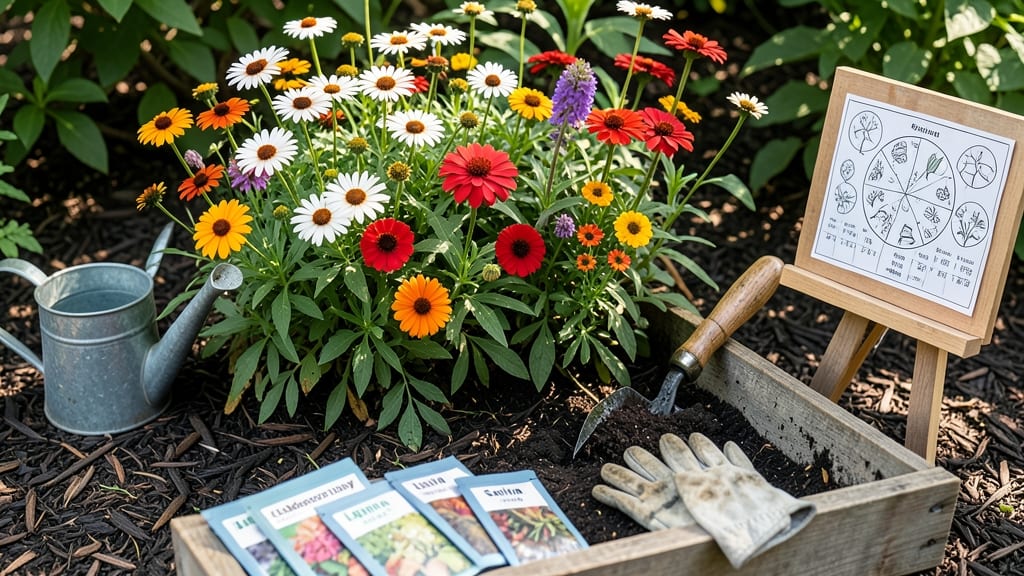
Planting flowers in Alabama at the wrong time means watching your vibrant 🌸 dreams wilt before they even bloom—but get the timing right, and you’ll enjoy a garden that bursts with color all season long.
Alabama’s mild winters and long summers create a tricky balance: too early, and frost zaps your seedlings; too late, and heat stress stunts growth. The key is knowing your USDA zone (7b-8b) and adjusting for regional microclimates, whether you're in Birmingham’s cooler pockets or Mobile’s humid coastal edge.
I’ve tested what works in Alabama’s soil and climate, from azaleas that thrive in early spring to petunias that love late summer starts. Whether you’re a first-time gardener or a seasoned pro, these insights will help you avoid common pitfalls and plant with confidence.
Ready to transform your yard? Let’s dive into the exact planting windows—plus pro tips for adjusting timing when Alabama’s unpredictable weather throws you a curveball.
Best flower planting times in Alabama by heat zone (7b-8a)
Alabama’s USDA Hardiness Zones 7b-8a create a unique gardening climate where timing is everything. The last frost typically hits mid-March in most regions, but coastal areas like Mobile may see frost-free conditions by early February.
North Alabama’s cooler microclimates often experience frost until late March—so knowing your exact zone matters!
Most annual flowers thrive when planted 4-6 weeks before your last frost date. For Alabama, that means late February to early March for North Alabama and January to February for South Alabama. Perennials and bulbs often prefer fall planting (September-October) to establish roots before winter.
Here’s the golden rule: Wait until soil temperatures reach 60°F (15°C) for warm-season flowers like marigolds and zinnias. Cool-season varieties like pansies and snapdragons can handle 50°F (10°C) soil temps—perfect for early spring or fall planting.
🌱
For container gardening, you gain flexibility—plant warm-season flowers as late as May in North Alabama or April in South Alabama. Containers warm up faster than garden beds, giving you a 2-3 week extension for planting.
Alabama’s humidity and heat demand extra care for late summer plantings. Aim to get warm-season annuals in the ground by early August to avoid bolting (premature flowering). Fall-blooming varieties like mums and asters should be planted by mid-August for best results.
Pro tip: Use Alabama Cooperative Extension’s frost maps to track real-time updates. Their planting calendar adjusts yearly based on microclimate shifts—a game-changer for urban gardeners or those in microclimates like Birmingham’s urban heat islands.
🌿
If you’re new to Alabama gardening, start with heat-tolerant annuals like coreopsis or lantana. These thrive in 90°F+ temps and drought conditions, giving you low-stress success while you learn your local frost patterns.
For perennial flowers, September planting is ideal—roots establish before winter, and you’ll see bigger blooms next spring. Divide and transplant perennials in early spring (March) or fall (October) for minimal stress.
Remember: Alabama’s unpredictable weather means flexibility is key. Keep a planting journal to track what works best in your specific yardmost valuable gardening tool over time!
Top 10 flowers that thrive in Alabama’s climate (and when to plant them)
Alabama’s humid subtropical climate creates the perfect stage for heat-loving, drought-tolerant flowers that burst into color from spring through fall. The key? Planting at the right time to beat the heat and avoid winter’s chill.
These top 10 varieties are my go-to picks for Alabama gardens, chosen for their resilience and stunning blooms.
I’ve tested these in USDA zones 7b-8a, so you can trust they’ll thrive in your yard too. Whether you’re a beginner or a seasoned gardener, these flowers will reward you with low-maintenance beauty and long-lasting color. Let’s dive into the best choices and their ideal planting windows.
Black-Eyed Susan
Plant in early spring (March) or late summer (August) for fall blooms. Thrives in full sun and drought conditions.
Coreopsis (Tickseed)
Sow seeds in March-April for summer-long color. Heat and drought tolerant—perfect for Alabama’s summers.
Zinnias
Plant after last frost (mid-April) for vibrant summer blooms. Deadhead for continuous flowering until frost.
Lantana
Start seeds indoors in February or plant outdoors in April. Loves full sun and poor soil—ideal for Alabama’s heat.
Salvia
Plant in early spring (March) or fall (September) for long-lasting blooms. Drought-resistant once established.
Marigolds
Sow directly in April-May for summer color. Repel pests naturally—great for Alabama gardens.
Petunias
Plant after last frost (April) for summer-long blooms. Thrives in containers or garden beds.
Coneflowers
Direct-sow in March-April for wildlife-friendly blooms. Drought and deer resistant.
Gaillardia (Blanket Flower)
★★★★★5.0(8 reviews)