
Plants
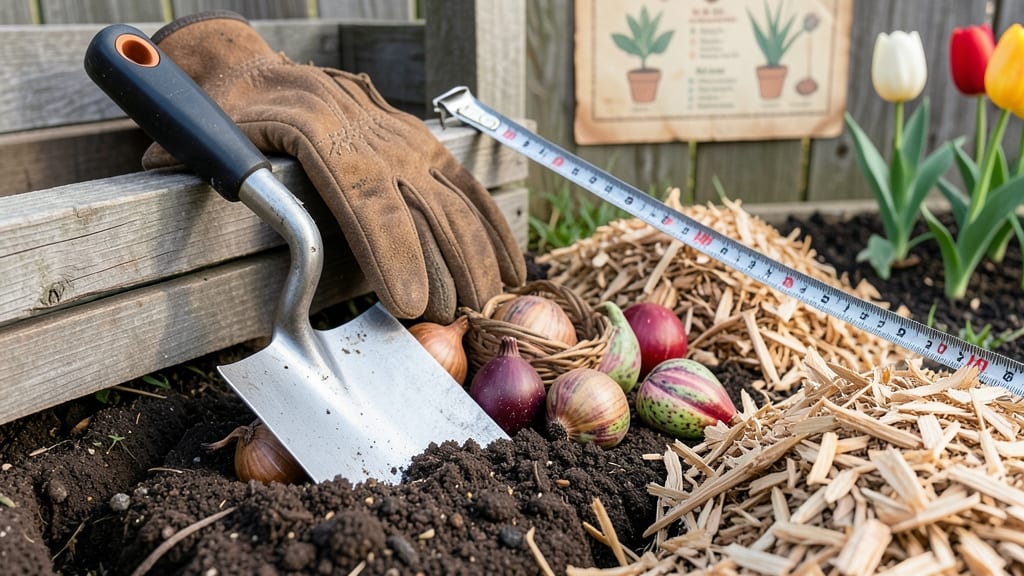
Planting bulbs in New Jersey at the wrong time means missing out on those show-stopping spring blooms you’ve been waiting for. With USDA Zones 6b-7a shaping your garden’s fate, timing isn’t just important—it’s everything.
Whether you’re dreaming of tulips 🌷 or daffodils, getting the window right ensures your bulbs thrive through winter and burst into color when you need them most.
Most gardeners know fall is the prime time, but did you know October through November is the sweet spot in NJ? Planting too early risks rot, while waiting too long means bulbs won’t establish roots before the ground freezes.
I’ll break down the exact deadlines so you can avoid common mistakes and set your garden up for success.
Spring planting is another option, but it requires speed—bulbs must go into the ground as soon as the soil is workable. We’ll cover how to prep your soil, choose the right bulbs for your zone, and even protect them from hungry critters.
By the end, you’ll have a foolproof plan to turn your yard into a blooming paradise.
Ready to transform your garden? Let’s dive into the perfect planting schedule for NJ’s climate, so you can enjoy those vibrant blooms year after year without the guesswork.
Optimal planting months for spring-blooming bulbs in NJ (zone 6b-7a)
New Jersey’s USDA Zones 6b-7a create a unique window for planting spring-blooming bulbs. The ideal time is October through November, when soil temperatures drop below 60°F (15°C)—this triggers bulb dormancy before winter.
For fall-planted varieties like tulips and daffodils, aim to finish by mid-November to avoid frost damage to emerging shoots.
If you miss the fall window, spring planting is an option for hardy bulbs like crocuses and snowdrops. Plant these as soon as the ground is workable—typically March to early April—but expect smaller blooms compared to fall-planted bulbs.
The key is soil temperature: bulbs need 6-8 weeks of chilling to bloom properly.
Here’s why timing matters: Bulbs planted too early may sprout and get frost-killed, while those planted too late won’t establish roots before winter. In North Jersey (Zone 6b), the first frost often hits by mid-October, so rush to plant by late September to early October.
In South Jersey (Zone 7a), you can extend planting until mid-November due to milder winters.
🌱
| Bulb Type | Ideal Planting Month | Soil Temp Requirement | Notes |
|---|---|---|---|
| Tulips | October | Below 60°F (15°C) | Plant 6 weeks before frost for best blooms. |
| Daffodils | October-November | Below 55°F (13°C) | Deer-resistant; tolerates colder soils. |
| Hyacinths | October | Below 50°F (10°C) | Needs well-draining soil to prevent rot. |
| Crocuses | September-October | Above 40°F (4°C) | Early bloomers; great for fall planting. |
| Allium | October-November | Below 55°F (13°C) | Tall stems; plant deeper (8") for stability. |
For spring-planted bulbs, focus on crocuses and snowdrops, which are hardy enough to handle late planting. These bulbs can go into the ground as late as March, though they’ll bloom 4-6 weeks later than fall-planted varieties.
The trade-off? They’re less likely to rot if planted late, as they won’t sprout until soil warms.
Pro tip: Use a soil thermometer to check temperatures. Bulbs like tulips need soil to stay below 60°F (15°C) for 6-8 weeks before sprouting. If your soil stays warm, delay planting until temperatures drop naturally.
In urban NJ gardens, heat islands can delay frost, so adjust your timeline 1-2 weeks later than rural areas.
Another critical factor is moisture. Plant bulbs in well-draining soil and water deeply after planting to encourage root growth. Avoid soggy soil, which can cause bulb rot. Mulch with 2-3 inches of straw after planting to insulate bulbs and retain moisture through winter.
If you’re planting in containers, use a fast-draining mix with perlite or sand. Container bulbs dry out faster and may need weekly watering during winter if there’s no snow cover. Place pots in a shaded spot during extreme cold snaps to protect them.
Remember: Spring blooms depend on fall prep. By planting at the right time, you’ll ensure your tulips, daffodils, and hyacinths burst into color right when NJ’s winter chill lifts—typically late April to May, depending on the year.
☀️
How to adjust planting timing for NJ’s microclimates (north vs. South Jersey)
New Jersey’s USDA Zones 6b-7a might seem uniform, but microclimates create big differences in bulb success. North Jersey’s cooler temperatures and earlier frosts demand earlier planting, while South Jersey’s milder winters allow a slightly extended window. Understanding these regional nuances ensures your tulips, daffodils, and hyacinths thrive year after year.
In North Jersey (Zone 6b), the ground freezes earlier—often by late November. Aim to plant bulbs between mid-September and mid-October to give roots time to establish before winter.
Coastal areas like Cape May (Zone 7a) can wait until early November, but avoid planting after the first frost, which typically hits by mid-October in the north and late October in the south.
| Factor | North Jersey (Zone 6b) | South Jersey (Zone 7a) |
|---|---|---|
| Planting Window | Mid-September to mid-October | Late September to early November |
| First Frost | Mid-October | Late October |
| Soil Freeze Depth | 6-8 inches | 4-6 inches |
| Urban Heat Impact | Moderate (earlier freeze in cities) | Minimal (coastal breezes delay frost) |
| Best Bulb Choices | Daffodils, Crocus, Allium | Tulips, Hyacinths, Fritillaria |
Urban gardeners in cities like Newark or Jersey City face an extra challenge: heat islands can cause earlier soil freezing. Plant bulbs 2-3 weeks earlier than rural areas to compensate.
Conversely, coastal regions like Atlantic City or Wildwood benefit from milder winters—ideal for tulips and hyacinths, which need consistent cold but can handle shorter dormancy periods.
Soil drainage also varies by region. North Jersey’s clay-heavy soils require amending with compost or sand, while South Jersey’s sandy soils may need organic matter to retain moisture. Always plant bulbs in well-draining soil to prevent rot, especially in low-lying areas prone to winter waterlogging.
For spring planting, North Jersey gardeners should start by mid-March when soil temperatures reach 50°F. South Jersey can wait until late March or early April, but avoid planting after mid-April, as blooms may not fully develop before summer heat sets in.
Pro tip: Use a soil thermometer to confirm planting conditions. Bulbs thrive when soil temps are between 40°F and 60°F—perfect for NJ’s fall and early spring windows. Adjust your schedule based on your specific microclimate for bigger, healthier blooms next spring.