
Flowers
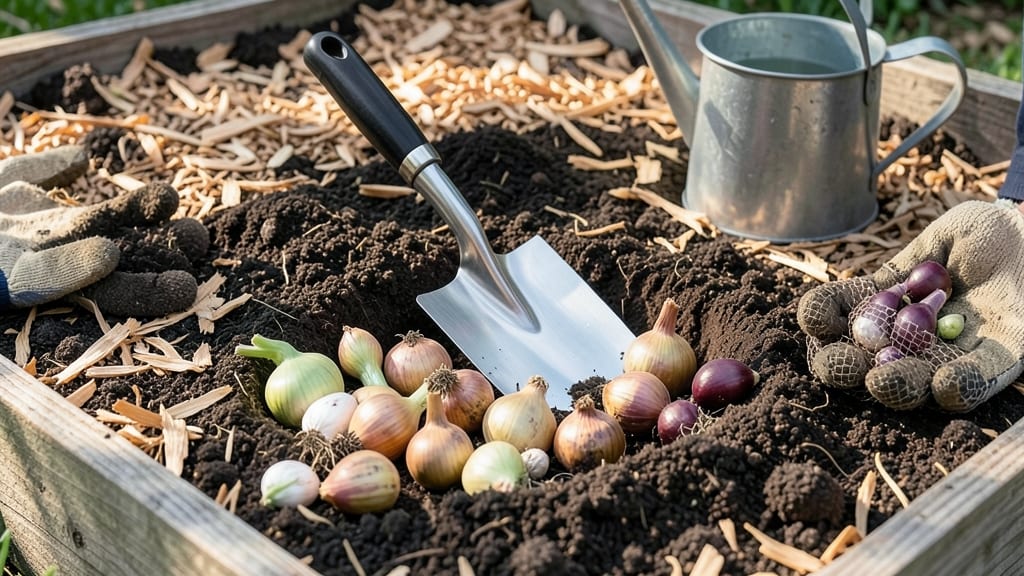
Planting flower bulbs 🌷 in autumn isn't just about timing—it's the secret to unlocking next spring's vibrant blooms or risking disappointment. The 6-8 weeks before your first frost window is your golden opportunity, but get it wrong, and you might end up with weak roots or no flowers at all.
I've learned the hard way that rushing or waiting too long can make all the difference between a showstopping garden and a season of missed potential. The key lies in understanding your local climate and soil conditions—especially in USDA Zone 6a, where temperatures drop quickly.
Let me show you exactly when to plant for perfect root growth, so you can enjoy those first spring blooms without the guesswork.
Whether you're a beginner or a seasoned gardener, knowing the right moment to tuck those bulbs into the earth transforms your garden from a gamble to a guaranteed success.
We'll cover soil temperature triggers, regional adjustments, and the simple steps that ensure your bulbs thrive underground while they wait for spring.
Ready to set your garden up for a spectacular display? Let's dive into the most important factors that will help you time your planting like a pro—so you can sit back and enjoy the results next year.
Optimal soil temperature ranges for planting flower bulbs in autumn
Autumn is the perfect time to plant flower bulbs because the cool soil temperatures trigger root growth before the ground freezes. But timing is everything—plant too early, and your bulbs may sprout prematurely; too late, and they won’t establish roots before winter.
The ideal soil temperature range for most flower bulbs is between 50°F and 60°F, allowing roots to develop without encouraging above-ground growth.
Why does temperature matter so much? Flower bulbs need 6-8 weeks of root establishment before the ground freezes. If planted too early in warm soil, they might shoot up only to be killed by frost.
If planted too late in cold soil, roots won’t have enough time to anchor before winter dormancy. Soil temperature, not air temperature, is the real indicator of readiness.
Here’s how to test your soil’s readiness: Use a soil thermometer (available at garden centers) or the finger test. Stick your finger about 6 inches deep—if the soil feels cool but not frozen, it’s likely in the right range.
For northern climates, aim for 6 weeks before the first frost; in warmer southern regions, you may have until December.
Different bulb types have slightly different preferences. Tulips and daffodils thrive in 50-55°F soil, while hyacinths and crocuses prefer 55-60°F. Alliums and snowdrops, which are hardier, can tolerate slightly cooler soil down to 45°F. Understanding these nuances ensures your bulbs get the best possible start.
| Bulb Type | Ideal Soil Temp (°F) | Planting Window | Notes |
|---|---|---|---|
| Tulips | 50-55°F | 6-8 weeks before frost | Sensitive to early planting; may sprout too soon |
| Daffodils | 50-55°F | 6-8 weeks before frost | Hardier than tulips; tolerates cooler soil |
| Hyacinths | 55-60°F | 6 weeks before frost | Needs warmer soil to establish roots quickly |
| Crocuses | 45-50°F | 4-6 weeks before frost | Early bloomers; plant as soon as soil is workable |
| Alliums | 45-55°F | 6-10 weeks before frost | Drought-tolerant; can handle cooler conditions |
If you’re in a warmer climate (Zones 8-10), where soil stays warm longer, you might need to plant bulbs in late autumn or even early winter.
For example, in Zone 9, you can plant tulips as late as December, while in Zone 5, you should aim for early to mid-October. Always check your local last frost date and adjust accordingly.
One common mistake is relying on air temperature instead of soil temperature. A crisp 60°F day might feel perfect, but the soil could still be too warm. Early mornings or overcast days are ideal for planting because the soil stays cooler.
If you’re unsure, plant a few test bulbs a week apart to gauge how quickly roots establish.
Pro tip: If your soil is still too warm (above 60°F), you can pre-cool it by covering the planting area with black plastic or cardboard for a few days. This mimics the cooler conditions bulbs need to start rooting. Just remove the cover before planting to avoid overhe
Optimal soil temperature ranges for planting flower bulbs in autumn
Autumn bulb planting success hinges on one critical factor: soil temperature. Most flower bulbs—like tulips, daffodils, and crocuses—thrive when planted in soil that's cooled to 50-60°F. This temperature range triggers root growth before winter dormancy sets in.
If you plant too early in warm soil, bulbs may sprout prematurely and get damaged by frost. Conversely, planting too late in cold soil can stunt root development, leading to weak or no blooms next spring.
To check your soil's readiness, use a simple soil thermometer or the "finger test". Stick your finger 4-6 inches deep—if the soil feels cool but workable (like a ripe banana), it's time to plant.
In northern climates (Zones 3-6), this usually means waiting until mid-to-late September or early October. In southern regions (Zones 7-10), you might start as early as August, but avoid planting when soil temperatures exceed 65°F.
| Bulb Type | Ideal Soil Temp (°F) | Best Planting Window | Notes |
|---|---|---|---|
| Tulips | 50-55°F | Late Sept-Oct (Zones 3-6) | Needs cold stratification |
| Daffodils | 55-60°F | Early Sept-Nov (Zones 7-10) | Tolerates warmer soil |
| Hyacinths | 45-55°F | Mid-Sept-Oct (All Zones) | Prefers cooler soil |
| Crocuses | 50-60°F | Late Sept-Oct (Zones 3-8) | Early bloomer; plant early |
For tender bulbs like dahlias or cannas, which aren't hardy to cold, aim for 60-65°F soil and plant them later in autumn—closer to 4-6 weeks before your first frost. These bulbs need time to establish roots but won’t survive freezing temperatures.
If you're unsure about your local frost dates, check the USDA Plant Hardiness Zone Map or use a frost calendar app for your area.
Pro tip: If your soil is still too warm, store your bulbs in a cool, dark place (like a garage or basement) until conditions improve. A shady spot in the garden can also help cool the soil faster if you're eager to plant.
Just avoid planting in soil that’s still baking under the sun—this can cause bulbs to rot before they even have a chance to root.
One more key point: well-draining soil is non-negotiable for autumn bulb planting. If your soil holds too much moisture, bulbs can rot before winter.
Amend heavy clay with compost or sand to improve drainage, and always plant bulbs in a location with at least 6 hours of sunlight daily for robust spring blooms.
Remember, the goal is to give your bulbs enough time to develop roots—typically 4-6 weeks before the ground freezes—so they can wake up strong and bloom beautifully next spring. With the right soil temperature and timing, you’ll be rewarded with a vibrant, long-lasting display that’s worth the autumn effort. 🌷