
Plants
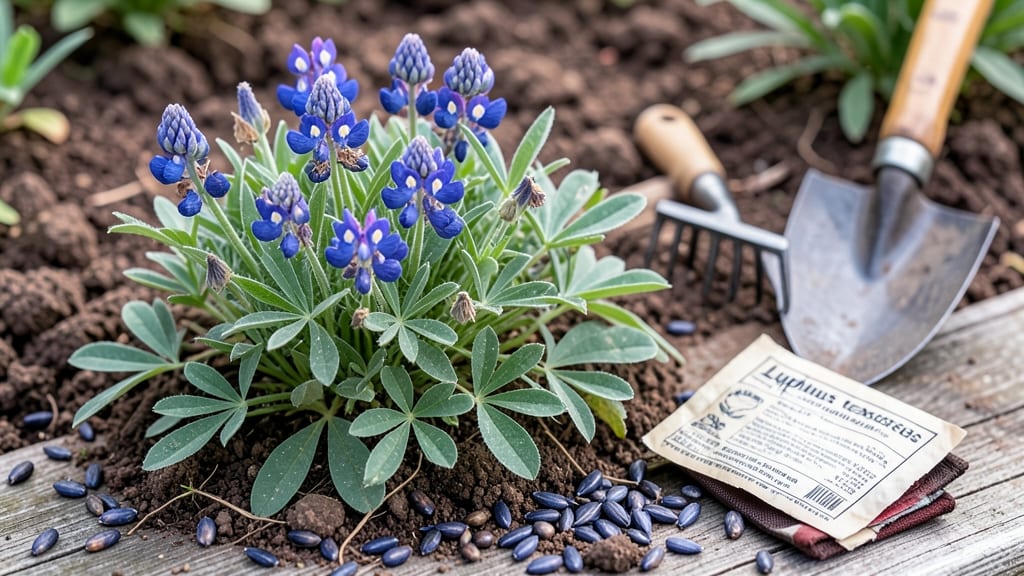
Planting bluebonnets in North Texas at the wrong time can mean the difference between a breathtaking spring display of 🌸 and a patch of brown disappointment. The key window—late September to November—lets seeds establish strong roots before winter’s chill, while spring planting risks shallow growth and weak blooms.
Why does timing matter so much? Bluebonnets are native to Texas, and their natural cycle relies on cool fall soil temperatures to break dormancy. Plant too early, and frost can wipe out tender seedlings; too late, and roots won’t anchor before winter dormancy kicks in.
In zones 7b-8a, this window aligns perfectly with North Texas’s first frost dates.
I’ve seen gardeners in the Dallas-Fort Worth area struggle with patchy blooms because they missed this critical period. The secret isn’t just when you plant—it’s how you prep the soil and protect those seeds from late-season freezes.
Let me walk you through the exact steps to turn your yard into a bluebonnet paradise next spring.
From scattering seeds directly onto well-drained soil to timing watering for maximum root growth, these 3 simple strategies will give you the vibrant fields you’ve been dreaming of. Ready to make your North Texas landscape pop with color? Let’s get started.
Best months to plant bluebonnets in North Texas for maximum blooms
North Texas’s unique climate—hot summers, mild winters, and unpredictable first frosts—makes timing critical for bluebonnets (Lupinus texensis). The ideal window is late August through mid-September, when soil temperatures hover between 60°F and 70°F.
This aligns with the plant’s natural dormancy cycle, ensuring seeds germinate in spring rather than rotting in winter’s chill.
Why this window? Bluebonnets need 60-90 days of cool weather to establish roots before winter dormancy. Planting too early (before August) risks seedling death from summer heat, while late plantings (after October) may not harden off before first frosts (typically mid-November in North Texas).
For urban gardeners in cities like Dallas or Fort Worth, aim for late September to avoid microclimate delays—concrete and buildings can create 3-5°F warmer zones, pushing frost dates later.
Rural areas (e.g., Collin or Denton counties) can plant slightly earlier (mid-August) due to cooler nighttime temps.
Soil temperature is your best gauge: use a soil thermometer to confirm 60°F+ at 2-inch depth. If temps dip below 55°F, seeds may fail to sprout. Pro tip: Pre-sprout seeds indoors in late July if you’re eager to plant early—just transplant seedlings after September 1st to avoid heat stress.
Direct sowing is preferred over transplants, as bluebonnets resent root disturbance. Scatter seeds 1/8-inch deep in well-drained soil and lightly rake. A thin layer of mulch (straw or leaves) protects seeds from birds and erosion during North Texas’s fall rains.
Here’s how North Texas’s USDA Zones 7b-8a break down for planting:
- Zone 7b: Plant late August–early October (first frost Nov 15)
- Zone 8a: Plant mid-September–mid-November (first frost Nov 20)
| Planting Window | Soil Temp | Frost Risk | Best Method |
|---|---|---|---|
| Late August | 60–70°F | Low (rural) | Direct sow |
| September | 55–65°F | Moderate | Direct sow or pre-sprout |
| October | 50–60°F | High (urban) | Direct sow only |
| November | Below 50°F | Very High | Avoid (unless late Nov in Zone 8a) |
Bluebonnets self-seed aggressively, so if you miss the fall window, you can plant in early spring (March). However, spring-planted seeds may bloom later (June instead of March–April) and produce fewer flowers due to summer heat stress. For guaranteed spring blooms, stick to fall planting.
One North Texas hack: Mix bluebonnet seeds with wheatgrass or rye for a living mulch. The grasses suppress weeds while bluebonnets establish, then die back naturally by spring. This works especially well in urban gardens with compacted soil.
Remember: Patience is key. Bluebonnets may take 2–3 years to reach their full 12-inch height, but once established, they’ll self-sow for decades. Plant now, and you’ll have generations of bluebonnets gracing your North Texas landscape—just like the Texas State Flower deserves.
How to prepare North Texas soil for bluebonnet success before planting
Prepping your North Texas soil for bluebonnets isn’t just about digging a hole—it’s about creating the perfect conditions these native wildflowers thrive in. Bluebonnets love well-draining, slightly acidic soil (pH 6.0–7.5) that mimics their Texas prairie roots.
If your yard has heavy clay or compacted soil, you’ll need to work in organic matter to improve aeration and water flow. I’ve seen bluebonnets struggle in urban Dallas yards with poor drainage, so let’s fix that first.
Start by testing your soil’s pH with a simple kit from your local garden center. If it’s too alkaline (above 7.5), mix in sulfur or peat moss to lower it gradually. For sandy soils, add compost or aged manure to retain moisture without suffocating roots.
The goal? Soil that’s loose, fertile, and free of weeds—because competition from crabgrass or clover will steal nutrients from your bluebonnets.
Here’s a pro tip: Bluebonnets hate soggy roots. If your yard floods after rain, consider amending the soil with coarse sand or perlite to create pockets of air. I’ve had success in my Fort Worth garden by mounding soil slightly in low-lying areas to prevent water pooling.
Think of it like building a tiny hill for your seeds to nestle into—nature’s way of keeping them dry.
One mistake I see often? Over-tilling the soil. Bluebonnet seeds need just enough disturbance to make contact with the earth—too much tilling buries them too deep. Instead, use a broadfork or rake to loosen the top 2–3 inches of soil.
This keeps seeds close to the surface where they’ll germinate faster in spring. Think of it like fluffing a pillow—just enough to create a cozy spot for your seeds to snuggle into.
After amending, give your soil a final pass with a leveling rake to smooth out any clumps. This isn’t just about looks—it helps water distribute evenly, which is crucial in North Texas’s unpredictable rains.
I like to water the soil lightly after prepping to help settle the amendments and remove any remaining dust. Now your bluebonnets will have the perfect foundation to establish roots before winter’s chill sets in.
Pro move: If your yard has heavy foot traffic (like a kids’ play area), consider planting bluebonnets in a dedicated wildflower patch. This gives them the space they need to spread without competition.
Once your soil’s ready, you’re just weeks away from scattering those seeds—and watching your North Texas landscape transform into a sea of blue next spring. 🌸