
Flowers
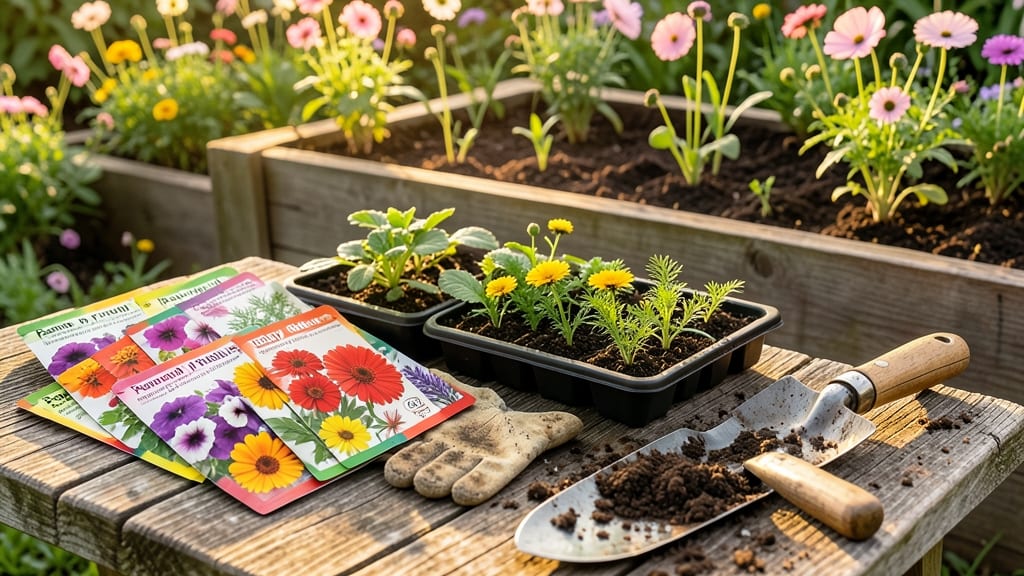
Planting flower seeds in Ohio at the wrong time can mean the difference between a vibrant garden bursting with 🌸 and a sad pile of frost-nipped seedlings. The key isn't just waiting for spring—it's understanding your local frost dates and soil conditions to maximize blooms before summer heat sets in.
With Ohio's USDA Zone 6a climate, you've got two prime windows: early spring (March-May) and late summer (August-September) for fall-blooming varieties. But timing matters—plant too early, and frost will strike; too late, and you'll miss the full bloom potential.
I'll show you exactly when to start seeds indoors versus direct-sowing outdoors for reliable results.
Whether you're growing sun-loving marigolds or shade-tolerant impatiens, this guide breaks down Ohio's frost-free deadlines by month. We'll cover how to extend your season with simple tricks and which flowers thrive with Ohio's unpredictable weather patterns.
Ready to transform your garden into a year-round color show? Let's dive into the perfect planting schedule tailored for Ohio gardeners—no more guessing, just guaranteed blooms.
Ohio’s frost-free planting deadlines by month for annual flowers
Ohio’s USDA zones 6a/6b mean your planting timeline hinges on last frost dates, which vary by region. In Columbus, the average last frost is April 15, while Cleveland sees it around April 20, and Cincinnati typically hits April 10.
These dates separate cool-season flowers (like pansies) from heat-loving varieties (like zinnias).
For direct sowing outdoors, aim to plant 2-4 weeks before your last frost for cool-season flowers. Heat-lovers need soil temperatures above 60°F, usually by mid-May. Missing these windows risks frost damage or stunted growth from late starts.
Indoor seed starting is your secret weapon. Begin 6-8 weeks before transplanting (e.g., February for early blooms). Use grow lights if your windows don’t provide 6+ hours of light—seedlings stretch toward weak light, becoming leggy and weak.
| Month | Indoor Start (Transplant) | Direct Sow Outdoors | Example Flowers |
|---|---|---|---|
| February | Cool-season flowers | None (too cold) | Pansies, Snapdragons |
| March | Petunias, Geraniums | Late March (south Ohio) | Lettuce, Radishes, Calendula |
| April | Marigolds, Zinnias | After April 15 (most regions) | Basil, Nasturtiums, Sunflowers |
| May | Cosmos, Dill | All month (heat-tolerant) | Zinnias, Marigolds, Sunflowers |
| August | None (late starts) | First 2 weeks | Cosmos, Bachelor’s Buttons |
| September | Sweet Alyssum (fast grower) | Early September | Pansies, Calendula |
Ohio’s first frost typically arrives October 15, but fall-blooming flowers like cosmos and bachelor’s buttons can handle light frosts. For extended seasons, sow fast-germinating seeds (like nasturtiums) in late August—they’ll bloom before winter sets in.
Pro tip: Use row covers to push outdoor sowing 2-3 weeks earlier in spring. Remove them during the day to warm soil, then replace at night to protect tender seedlings. This trick adds critical weeks to your growing season.
For heat-loving flowers, wait until soil temps hit 60°F (usually mid-May). Test with a soil thermometer—cool soil delays germination. If you’re in northwest Ohio, err on the
Best flowers to plant by seed starting method in Ohio gardens
Ohio gardeners have two main approaches to planting flower seeds: starting them indoors for a head start or sowing directly outdoors once the soil warms. Each method works best for specific flowers and timing.
For cool-season flowers like pansies and snapdragons, I always start seeds indoors 8-10 weeks before the last frost (around early February). These delicate seedlings need protection from Ohio’s unpredictable late frosts.
For warm-season favorites like zinnias and marigolds, direct sowing after the last frost (mid-May in most of Ohio) is often easier. These heat-loving plants germinate quickly in warm soil and don’t need the indoor nurturing. The key is matching the flower’s germination temperature to Ohio’s soil conditions.
🌱 Indoor Starting (February-March): - Pansies (8-10 weeks before last frost) - Petunias (6-8 weeks before last frost) - Geraniums (8-10 weeks before last frost) - Snapdragons (8-10 weeks before last frost) - Sweet Alyssum (4-6 weeks before last frost)
🌿 Direct Sowing (April-May after last frost): - Marigolds (soil temp ≥60°F) - Zinnias (soil temp ≥65°F) - Sunflowers (soil temp ≥55°F) - Cosmos (soil temp ≥60°F) - Nasturtiums (soil temp ≥50°F)
- 🌻 Marigolds - Germinates in 5-10 days at 70°F
- 🌼 Zinnias - Germinates in 7-14 days at 65°F
- 🌷 Cosmos - Germinates in 10-20 days at 60°F
- 🌸 Sunflowers - Germinates in 7-14 days at 55°F
- 🌺 Nasturtiums - Germinates in 7-14 days at 50°F
Ohio’s native wildflowers like black-eyed Susans and coneflowers are perfect for direct sowing in early spring or fall. These hardy plants handle Ohio’s variable weather better than tender annuals.
For a no-fuss approach, I always include at least one native variety in my garden—they require less watering and attract pollinators all season.
🌿 Ohio-Native Perennials for Easy Gardening: - Black-Eyed Susan (direct sow in spring or fall) - Coneflower (direct sow in spring or fall) - Butterfly Weed (direct sow in spring) - Bee Balm (divide in spring) - Goldenrod (direct sow in fall)
Pro tip: If you’re new to seed starting, begin with easy-to-grow annuals like cosmos or sunflowers. These forgive late starts and thrive in Ohio’s hot summers.
For experienced gardeners, try delicate flowers like snapdragons or sweet peas that need precise timing. The right method ensures your Ohio garden blooms reliably year after year.