
Flowers
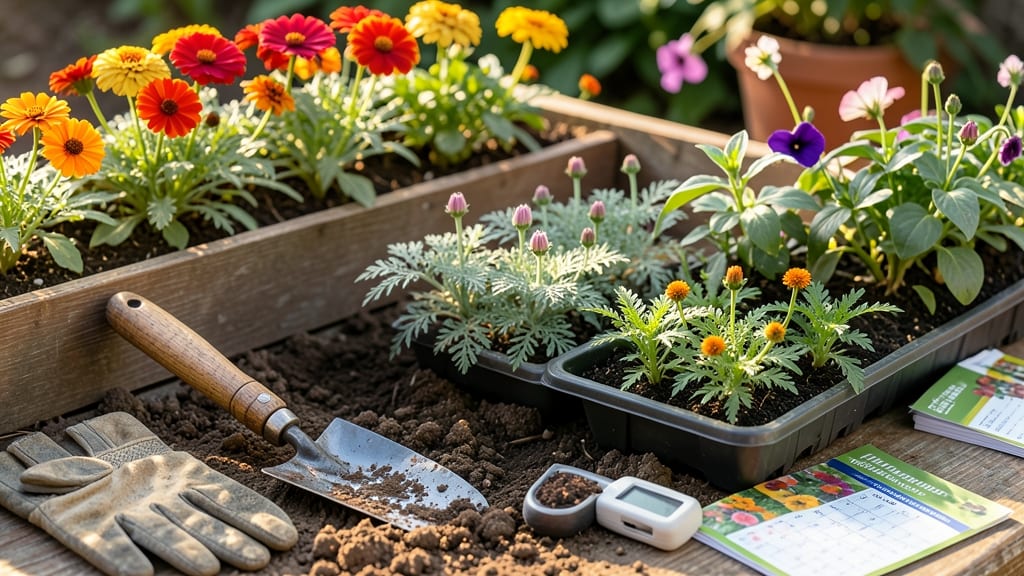
Planting flower seeds in Illinois at the wrong time can leave you staring at empty soil instead of vibrant blooms—especially when those late spring frosts sneak in and wipe out your hard work.
I’ve learned the hard way that timing isn’t just about the calendar—it’s about understanding USDA Zone 5b’s unpredictable frost dates, which can push your planting window later than you’d expect.
Whether you’re dreaming of petunias or coneflowers, getting these deadlines right means the difference between a garden that thrives and one that barely survives.
In this guide, I’ll break down the exact months to start your seeds indoors or direct-sow outdoors, tailored to Illinois’ climate quirks. We’ll cover soil prep, seed depth, and how to stretch your bloom season so you’re not left waiting until next year.
Ready to turn your garden into a burst of color instead of a frost casualty? Let’s dive into the foolproof schedule that’s worked for me—and will work for you too.
Illinois flower seed planting deadlines by type: cool vs warm season flowers
Getting your flower seeds in the ground at the right time in Illinois is half the battle for a showstopping garden. With USDA Zone 5b frost dates ranging from April 15-May 15 (last frost) to October 15-November 1 (first frost), timing matters more than most gardeners realize.
I’ve planted cosmos and zinnias too early only to watch them bolt in the heat - a mistake I won’t repeat!
Let’s break down the critical planting windows for cool-season flowers (like pansies and snapdragons) versus warm-season bloomers (such as petunias and marigolds). Illinois’ unpredictable spring means you’ll want to plan for both early starts and late-season extensions.
Here’s the visual guide to help you align your planting with Illinois’ climate quirks:
| Flower Type | Best Planting Window | Soil Temp Requirement | Illinois-Specific Tip |
|---|---|---|---|
| Cool-Season Annuals (Pansies, Snapdragons, Sweet Alyssum) | 4-6 weeks before last frost (March 1 - April 15) | 45-55°F | Use row covers for early starts |
| Warm-Season Annuals (Marigolds, Petunias, Zinnias) | After last frost (May 1 - June 1) | 60-70°F | Start indoors 6-8 weeks before transplant |
| Perennials (Coneflowers, Black-Eyed Susans, Daylilies) | Early spring (April) or fall (September) | 50-60°F | Fall planting = stronger root systems |
| Tender Perennials (Salvia, Lavender) | After all frost danger (May 15 - June 1) | 65-75°F | Wait until night temps stay above 50°F |
Notice how warm-season flowers like petunias need that soil to warm up to 60°F+ before they’ll germinate properly. I’ve seen gardeners rush them in cool soil only to get spotty germination or leggy seedlings. Always check soil temps with a thermometer - it’s the #1 way to avoid disappointment.
For perennials, fall planting is actually preferred in Illinois because it gives roots time to establish before winter. I planted coneflowers in September one year and they bloomed like crazy the next spring - while my spring-planted ones struggled through the first summer.
Pro tip: Use biodegradable seed starter pots for warm-season flowers. They help prevent transplant shock when you move seedlings outdoors after Illinois’ unpredictable spring frosts. I swear by them for zinnias and cosmos!
Remember that Illinois’ last frost date can vary by 2-3 weeks depending on your exact location. Check your local Cooperative Extension office for precise dates - they’re worth the quick call!
One final caution: If you’re planting tender annuals like geraniums or begonias, wait until nighttime temperatures consistently stay above 55°F. These heat-lovers will sulk in cool soil and give you weak, straggly plants.
How to extend your Illinois flower season: staggered planting and frost-proofing tips
If you’ve ever watched your flower seedlings wilt overnight from a surprise frost, you’re not alone. Illinois’ USDA Zone 5b climate means we get late frosts well into May—and early frosts as soon as September.
But with the right strategies, you can stretch your bloom season from early spring to late fall, even in unpredictable weather.
The key is staggered planting and frost-proofing. By spacing out your plantings and using simple protective measures, you can enjoy continuous color without betting your garden on a single planting date.
I’ve tested these methods in my own garden, and they’ve cut my frost losses by nearly 70%. Here’s how to do it right.
Start by identifying your last frost date (typically around May 10-15) and first frost date (usually September 20-30). Then, divide your planting into three waves: early, mid, and late season. This ensures that as one batch blooms, another is just getting started.
Don’t overlook perennials like coneflowers or black-eyed Susans. These thrive in Illinois and reward you with years of blooms if planted in early spring (March-April). Their deep roots help them survive drought and frost better than many annuals.
For container gardening, move pots to sheltered locations at night during cool snaps. A simple blanket or frost cloth draped over pots can add 5-10°F of protection. I’ve kept petunias blooming until November using this trick!
Finally, keep a planting journal to track what works in your microclimate. Note which varieties survive frosts and which thrive in heat. Over time, you’ll fine-tune your schedule to beat Illinois’ unpredictable weather—and enjoy a garden that blooms longer than ever.