
Plants
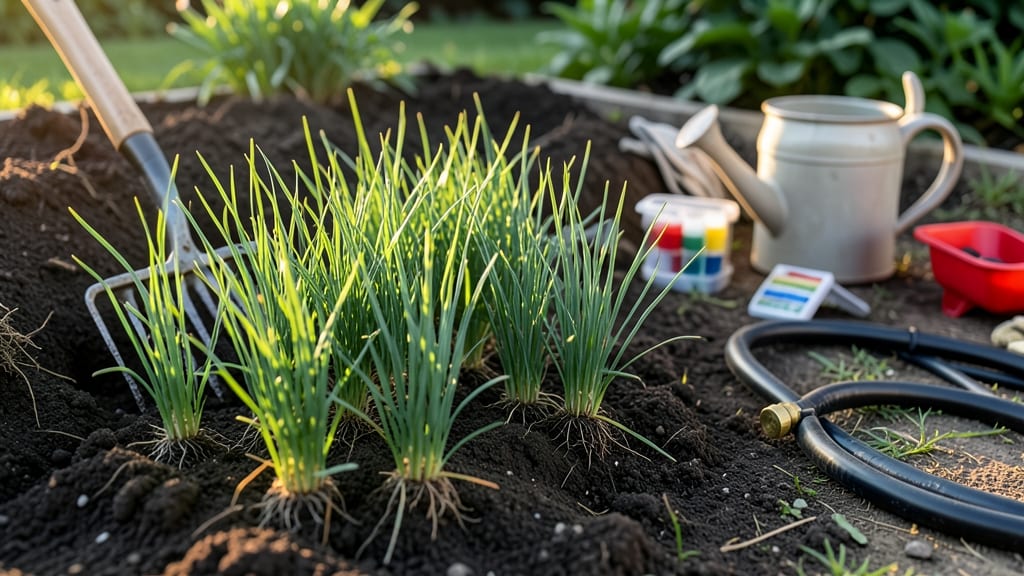
Planting fescue in South Carolina at the wrong time can leave you battling heat stress and uneven growth—so timing is everything for that lush, green lawn you're dreaming of.
The key window stretches from late summer through early fall, when soil stays warm enough to encourage strong root development before winter sets in.
If you're in zones 7b-8a, aim for August through October—this gives your fescue 4-6 weeks to establish roots before the first frost hits in mid-November. Skipping this window means risking weak germination or summer heat shock, which can derail your lawn's success.
Whether you're planting seed or sod, the right timing makes all the difference. I'll walk you through how to prepare your soil, avoid common mistakes, and keep your fescue thriving through South Carolina's humid summers and mild winters.
Let's dive into the exact months that work best for your region—and how to give your lawn the best possible start.
Best months to plant fescue grass in South Carolina’s climate zones
South Carolina’s humid subtropical climate (USDA zones 7b-8a) creates unique challenges for fescue grass planting. The key to success lies in understanding two optimal windows: late summer and early fall.
These periods provide ideal soil temperatures (60-75°F) and reduced competition from weeds, giving your fescue the best chance to establish strong roots before winter.
For homeowners in the Coastal Plain region (like Charleston and Myrtle Beach), the first frost typically arrives in mid-November, while inland areas (Piedmont and Upstate) may see frost as early as late October.
This means your planting timeline should shift slightly depending on where you live—planting too late can leave your grass vulnerable to winter dormancy before it’s fully established.
Here’s the golden rule: Plant fescue 4-6 weeks before the first frost. In most of South Carolina, this translates to mid-August through early October. However, if you’re in the Upstate (like Greenville or Spartanburg), you can push planting into early September without risk.
Coastal areas should aim for late August to avoid early cold snaps.
While late summer (August) is the most popular choice, early fall (September) offers cooler temperatures and higher humidity, which reduce stress on new seedlings. If you’re planting in August, prioritize morning watering to prevent afternoon evaporation and fungal growth.
For September plantings, focus on soil moisture retention—South Carolina’s sandy soils drain quickly, so mulching lightly after planting can help.
Many gardeners ask whether seed or sod is better for South Carolina’s climate. The answer depends on your timeline: Sod establishes faster (ready in 2-3 weeks) but costs more, while seed is cheaper and better for large areas but takes 4-6 weeks to germinate.
In SC’s heat, sod is often the smarter choice for high-traffic areas, while seed works well for shady or sloped lawns where sod may struggle to root.
One critical factor often overlooked is shade tolerance. Tall fescue varieties (like Kentucky 31 or Turf-Type Tall Fescue) handle partial shade better than fine fescue.
If your lawn has mature trees or structures casting shade, choose a shade-tolerant blend and plant in early fall when sunlight angles are lower. This gives seedlings time to adapt before winter.
Pro tip: Use a soil thermometer to check depth (2 inches). Ideal planting temps are 60-75°F—if it’s hotter, wait a week or two. In 2023’s record heat, many SC gardeners saw poor germination when planting in late August because soil temps exceeded 80°F.
Patience pays off—wait for cooler evenings (below 85°F) for best results.
Finally, don’t forget that South Carolina’s hurricane season (June-November) can disrupt planting. If you’re in the Coastal Plain, hold off until after mid-September to avoid storm damage to new seedlings.
For inland areas, the risk is lower, but always check the National Hurricane Center forecast before scheduling your planting day.
Timing isn’t just about months—it’s about microclimates and local conditions. By aligning your planting with soil temps, frost dates, and regional weather patterns, you’ll give your fescue the head start it needs to thrive in South Carolina’s challenging growing conditions. 🌱
Best months to plant fescue grass in South Carolina’s climate zones
South Carolina’s USDA Zones 7b-8a create unique challenges for fescue planting, where humidity and heat can stress young grass. The ideal window for planting fescue seed is late summer to early fall, specifically August through October.
This timing allows roots to establish before winter dormancy while avoiding the peak summer heat that can dry out seedlings.
For sod installation, the window shifts slightly to September through October. Sod establishes faster than seed, so you can push it a bit later, but avoid planting after mid-October to ensure roots have time to anchor before first frost.
In Coastal Plain regions, where humidity is higher, aim for early September to prevent fungal issues.
Here’s why timing matters: Fescue thrives when soil temperatures drop below 80°F. In Piedmont areas, this typically happens by mid-August, while Coastal regions may need to wait until late August.
Planting too early in summer risks heat stress, while planting too late limits root growth before winter.
| Region | Best Planting Window | Soil Temp Threshold | Key Consideration |
|---|---|---|---|
| Coastal Plain (e.g., Charleston) | Late August - Early September | Below 80°F | Higher humidity; risk of fungal diseases |
| Piedmont (e.g., Columbia) | Mid-August - October | Below 75°F | Drier climate; faster establishment |
| Upstate (e.g., Greenville) | Late August - September | Below 78°F | Cooler nights; slower growth but lower stress |
If you miss the optimal window, consider spring planting in March, but expect slower growth due to spring rains and potential pest pressure. For best results, seed should be planted 4-6 weeks before the first frost, which in South Carolina typically falls in mid-November.
This gives roots 6-8 weeks to establish before winter.
For shaded lawns, extend your planting window slightly into early October. Fescue tolerates partial shade better than many grasses, but avoid planting in areas with less than 4 hours of sunlight—this can lead to thin, weak growth.
Test your lawn’s sunlight exposure by placing a white board in suspected areas; if it casts shade for more than 50% of the day, consider shade-tolerant varieties like creeping red fescue.
Pro tip: Use a soil thermometer to monitor temperatures. Aim for 60-70°F at a 4-inch depth—this is the sweet spot for fescue germination.
In Coastal areas, where soil stays warmer longer, you may need to wait until early September to hit this range. Piedmont regions can plant as early as mid-August and still see strong establishment.