
Plants
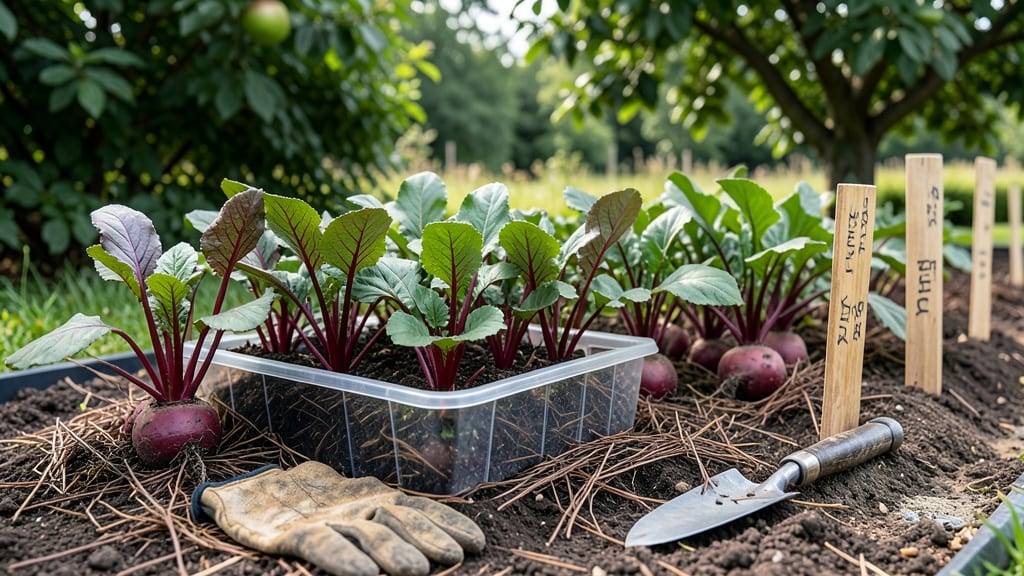
Timing your beet planting in South Carolina’s 7b-8a zones is the secret to harvesting those sweet, tender 🍠 roots instead of tough, bitter ones. Skip the guesswork—planting too early risks frost damage, while waiting too long means summer heat turns your beets woody.
For the best results, I’ve found that late winter and early fall are your golden windows. February-March and August-September align perfectly with South Carolina’s frost-free timeline, giving you two chances to grow perfect beets. The key? Start seeds when soil temps hit 50°F—no more, no less.
What makes this even easier? Beets are forgiving once established, but they need consistent moisture and well-drained soil to thrive. I’ll walk you through the exact steps to prep your garden beds, whether you’re dealing with sandy Lowcountry soil or clay-rich Upstate plots.
Ready to grow beets that taste like summer? Let’s break down the exact planting schedule, soil prep tips, and even how to adjust for South Carolina’s microclimates—so you can enjoy fresh harvests from May through November.
South Carolina beet planting calendar: optimal months by variety
South Carolina’s humid subtropical climate (USDA Zones 7b-8a) creates two perfect windows for growing sweet, tender beets. The key is avoiding summer heat and late-season pests—both can turn your harvest woody or bitter.
Let’s break down the best months for each beet type, from baby beets to Chioggia varieties, so you can plan your garden like a pro.
For spring plantings, aim for February through early March—this gives your beets 60-70 days to mature before summer’s oppressive heat sets in. Fall plantings should start in late August and continue until mid-September, allowing harvests before the first frost (typically mid-November).
Timing matters because beets bolting (going to seed) or developing woody fibers when temperatures exceed 85°F.
Baby beets (like 'Babybeat' or 'Detroit Dark Red') mature faster—45-50 days—so they’re ideal for late March or early August plantings. Storage beets (such as 'Golden' or 'Chioggia') need 55-60 days and thrive in cooler weather, making them perfect for February-March or September sowings. Heat-tolerant varieties like 'Cylindra' can handle short summer spells but still prefer cooler conditions.
| Variety Type | Best Planting Months | Days to Harvest | Heat Tolerance | SC-Specific Tip |
|---|---|---|---|---|
| Baby Beets | Late March, Early August | 45-50 days | Low | Harvest before roots exceed 1 inch. |
| Storage Beets | February-March, September | 55-60 days | Moderate | Use row covers in late summer. |
| Chioggia (Swiss Chard Beets) | February, September | 60 days | Low | Plant in raised beds for better drainage. |
| Heat-Tolerant (e.g., Cylindra) | April, Late July | 50-55 days | Moderate-High | Mulch heavily to retain moisture. |
If you’re planting in Upstate South Carolina (cooler microclimates), you can push spring plantings into early April without risking frost. Meanwhile, Coastal areas should stick to February-March to avoid hurricane season delays. Succession planting every 2-3 weeks in spring and 3-4 weeks in fall ensures a steady harvest.
For example, sow seeds in mid-February, then again in early March and late August.
South Carolina’s sandy soils (common in the Lowcountry) drain too quickly, while clay soils (Upstate) can suffocate roots. Amend your soil with 2-3 inches of compost before planting to improve moisture retention and nutrient availability. Test your soil’s pH—beets prefer 6.0-7.0.
If your soil is too acidic, add lime; if alkaline, mix in sulfur or peat moss. This prep work pays off with sweeter, faster-growing beets.
Extending your season with row covers or cold frames can add 2-3 weeks to your growing window in spring or fall. For instance, use floating row covers over late-August plantings to protect against early autumn pests like leaf miners.
Just remember to remove covers during the day to prevent overheating. Shade cloth (30-50%) can also help summer plantings stay cool if you’re experimenting with heat-tolerant varieties.
Mark your calendar now for these key dates: - February 15: First spring planting - March 1: Second spring planting - August 20: First
How to adjust planting for South Carolina’s microclimates
South Carolina’s diverse regions—from the Upstate’s cooler hills to the Coastal Plain’s humid heat—create unique challenges for beet growers. Adjusting your planting timeline and soil prep based on your location can double your harvest success. Let’s break down the key differences and solutions for each microclimate.
In the Upstate (Zone 7b), cooler nights and shorter growing seasons mean you’ll want to plant 4-6 weeks earlier than Coastal areas. Start seeds indoors in late January for an early spring transplant, or direct-sow in early February.
The Piedmont region offers a middle ground, where March planting works well for both spring and fall crops.
Upstate SC (Zone 7b) vs. Coastal SC (Zone 8a)
Upstate SC
- ✅ Pros: Cooler temps, longer frost-free window
- ✅ Pros: Less pest pressure early in season
- ✅ Pros: Ideal for storage beets (lasts until winter)
- ❌ Cons: Shorter growing season
- ❌ Cons: Clay-heavy soils need amendments
Coastal SC
- ✅ Pros: Warmer soil for faster germination
- ✅ Pros: Extended fall planting possible
- ✅ Pros: Sandy soils drain well (less rot risk)
- ❌ Cons: Higher leaf miner risk
- ❌ Cons: Summer heat causes bolting
Soil type plays a huge role in South Carolina. If you’re in the Coastal Plain with sandy soil, focus on adding organic matter like compost or aged manure to retain moisture. For Upstate clay soils, mix in sand or peat moss to improve drainage.
A simple soil test (available through Clemson Extension) will tell you if your pH needs adjustment—beets prefer 6.0-7.0.
Companion planting can also boost your yields by deterring pests and improving soil health. Pair beets with onions, garlic, or lettuce to confuse leaf miners, or plant near radishes to mark rows (they germinate faster). Avoid planting near pole beans or sunflowers, which can compete for nutrients.
For fall crops, Coastal gardeners have until mid-September to plant for a harvest before the first frost, while Upstate gardeners should finish by early September. Use row covers to extend the season by 2-3 weeks if needed—just remove them during the day to prevent overheating.
Remember, microclimates exist even within neighborhoods. A spot near a building or tree might stay cooler or retain moisture longer. Observe your garden’s unique conditions for 2-3 years to fine-tune your planting schedule.
With these adjustments, you’ll enjoy sweet, tender beets from spring through fall, no matter where you garden in South Carolina.