
Plants
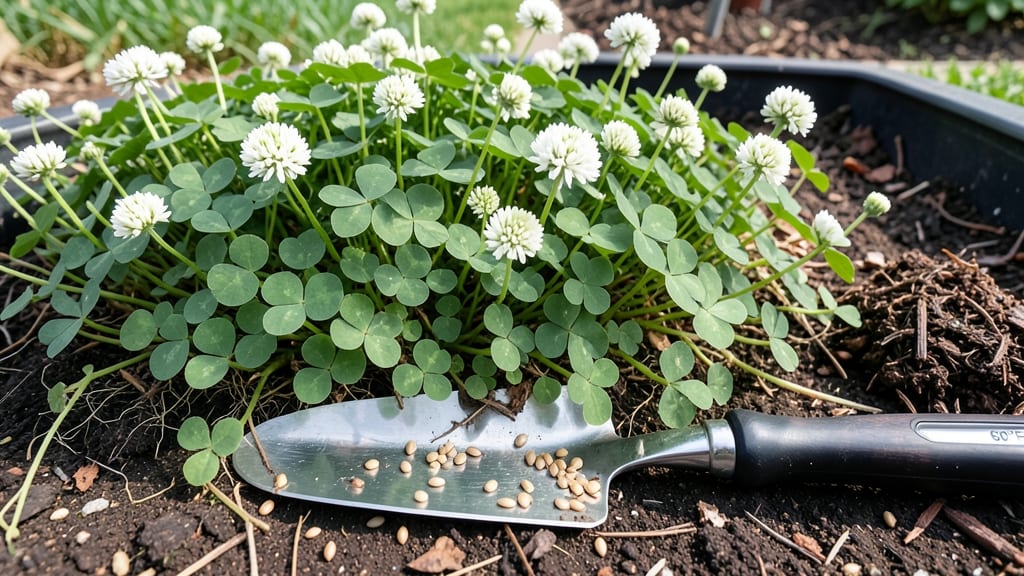
Timing your clover planting in Utah isn’t just about the calendar—it’s about catching that sweet spot between frost and scorching summer heat when the soil is just right for your 🌱 to take root.
Plant too early, and you risk a late freeze wiping out your efforts; too late, and the summer sun will stress your clover before it even gets started.
Most Utah gardeners swear by early spring (March–April) or early fall (September–October) planting, but the real secret lies in soil temperature.
Clover thrives when the ground warms to 50–60°F, which typically aligns with Utah’s frost-free window—though Salt Lake City’s Zone 6a-7a can shift those dates by weeks depending on elevation.
Whether you’re sowing white clover for a lush lawn, red clover for pollinators, or alsike clover for erosion control, getting the timing right means the difference between a thriving patch and a failed experiment.
I’ll break down exactly when to plant based on your Utah region, plus pro tips to stretch your planting window and avoid common mistakes.
Ready to turn your Utah landscape into a clover paradise? Let’s dive into the soil science and frost-free strategies that will set you up for success—no guesswork required.
Utah’s frost-free dates & soil temperature zones for planting clover
Timing your clover planting in Utah depends on two critical factors: soil temperature and frost-free dates. Clover thrives when soil reaches 50–60°F, signaling it’s safe to plant after winter’s chill.
Utah’s USDA zones 5–8 create varied microclimates—from the cooler Wasatch Front to the warmer Southern Utah deserts—so adjust your schedule accordingly.
Most of Utah experiences its last frost between mid-April and mid-May, with Salt Lake City averaging April 15. High-altitude areas like Park City may see frost lingering until May 15, while St. George often warms up by March 15.
Plan your planting window to align with these local cues to avoid late-season frost damage.
Clover seeds germinate best in cool but stable temperatures, making early spring (March–April) and early fall (September–October) the ideal planting windows. Fall planting is especially beneficial, as clover establishes roots before winter and greens up earlier in spring.
However, avoid planting too close to summer, when Utah’s heat can stress young seedlings.
Soil temperature is your best indicator—use a soil thermometer to confirm 50°F+ before sowing. In Northern Utah, this often coincides with late April, while Southern Utah may reach it by mid-March. Pro tip: Check the Utah Climate Center for real-time soil data to fine-tune your timing.
| Region | USDA Zone | Last Frost | Ideal Planting Window | Soil Temp Goal |
|---|---|---|---|---|
| Northern Utah (e.g., Salt Lake City) | 6a-7a | Mid-April | March 15–April 30 | 50–60°F |
| High Altitude (e.g., Park City) | 5a-6a | May 1–15 | April 15–May 30 | 50–60°F |
| Southern Utah (e.g., St. George) | 8a-9a | March 1–15 | February 15–March 30 | 55–65°F |
| Western Utah (e.g., Moab) | 7a-8a | March 15–April 1 | March 1–April 15 | 50–60°F |
For fall planting, aim to sow clover seeds 6–8 weeks before your first frost. In Northern Utah, this means late August to mid-September, while Southern Utah can extend planting until October 15.
Fall-planted clover benefits from cooler temperatures and consistent moisture, reducing summer stress and ensuring a lush spring.
If you’re unsure about your local frost dates, consult the Utah State University Extension or the National Weather Service for your specific area. Their frost-free maps and historical data can help you pinpoint the best 30-day planting window for your region.
Remember, clover is a cool-season crop, so prioritize planting when temperatures are stable and mild.
One common mistake is planting clover too early in Northern Utah, where late frosts can still occur in April. To mitigate this risk, use frost blankets or plant in a sheltered microclimate, like near a south-facing fence.
This small adjustment can extend your planting window by 1–2 weeks without sacrificing seed viability.
For maximum success, pair your planting timeline with soil preparation. Test your soil’s pH (6.0–7.0 is ideal) and amend it with compost or lime if needed. Well-prepared soil ensures your clover seeds germinate quickly and establish strong roots before Utah’s summer heat sets in.
By aligning your planting with soil warmth and frost-free dates, you’ll give your clover the best chance to thrive in Utah’s variable climate. Whether you’re sowing for a
Best clover varieties for Utah’s climate & when to plant each
Utah’s diverse climate—from the Wasatch Front’s cooler valleys to the Southern Utah’s hotter deserts—means not all clover varieties thrive equally. Choosing the right type ensures your clover establishes well and resists Utah’s drought stress and temperature swings. Here’s how to match varieties to your region and planting window.
For Northern Utah (USDA Zones 5-6), like Salt Lake City or Ogden, white clover is the top pick. It handles cooler springs and shorter growing seasons, making it ideal for early spring (March–April) or fall (September) planting.
Its low-growing habit also makes it perfect for lawns or erosion control.
Southern Utah (Zones 7-8), such as St. George or Moab, benefits from red clover or alsike clover. These varieties tolerate warmer soils and longer summers, allowing for late summer (August) or early fall (September–October) planting. Red clover, in particular, adds nitrogen quickly, boosting soil fertility for subsequent crops.
🌱
| Variety | Cold Tolerance | Drought Resistance | Best Planting Months | Utah Region Fit |
|---|---|---|---|---|
| White Clover | High (Zones 5-7) | Moderate | March–April, September | Northern Utah (Salt Lake, Provo) |
| Red Clover | Moderate (Zones 6-8) | Low | August–September | Southern Utah (St. George, Moab) |
| Alsike Clover | Low (Zones 7-9) | Low | September–October | Low-elevation deserts |
If you’re planting white clover in early spring, aim for soil temperatures above 50°F—use a soil thermometer to check. For red or alsike clover in late summer, wait until nighttime temps stay above 60°F to avoid frost damage.
Both varieties need well-draining soil, so amend heavy clay with compost before seeding.
For high-altitude areas like Park City or Logan, stick to white clover and plant 1–2 weeks later than lower elevations to avoid early frost. In desert regions, alsike clover may struggle—opt for drought-tolerant mixes with 50% white clover and 50% native grasses for better resilience.
Pro tip: Mix clover seeds with ryegrass for faster ground cover in lawns or pastures. The ryegrass provides quick establishment, while the clover adds long-term nitrogen benefits. Test your soil’s pH (6.0–7.0 ideal) before planting—Utah’s alkaline soils often need sulfur or peat moss to adjust.
✂️