
Plants
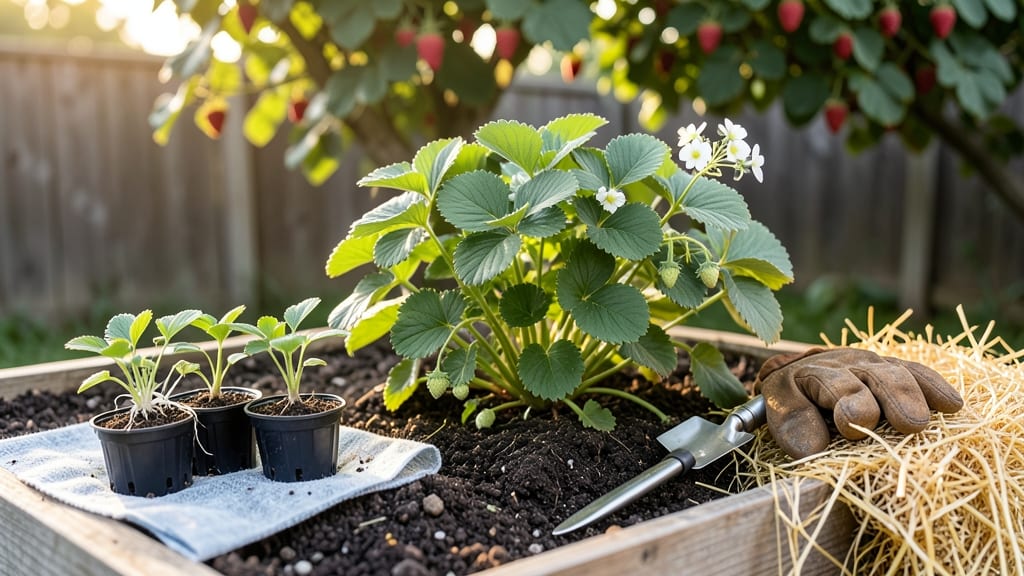
Planting strawberries in Arkansas at the wrong time can mean the difference between a juicy, bountiful harvest and a sad, wilted disappointment. Whether you're a seasoned gardener or a first-timer eager to grow your own 🍓, knowing the best windows for spring and fall planting is the key to success.
In Arkansas' 7a-8a climate zones, timing matters more than you might think. Plant too early, and frost can nip your tender plants before they even take root. Too late, and the summer heat might stress them out before they’ve had a chance to establish.
The secret lies in understanding your local frost dates and soil temperatures.
I’ll break down exactly when to plant—whether you’re working with bare-root plants in early spring or potted varieties in late summer—and share the soil prep tips that make all the difference. Plus, I’ll cover what to do after planting to keep your strawberries thriving until harvest season.
Ready to grow strawberries that taste sweeter than store-bought? Let’s get started with the perfect planting schedule for your Arkansas garden.
Ideal Arkansas strawberry planting dates by soil temperature & frost risk
Arkansas’ USDA zones 7a-8a create a unique growing window for strawberries, where soil temperature and frost dates dictate success. Unlike northern states, our mild winters allow for spring and fall planting, but timing must align with 40-50°F soil temps for root establishment and 60°F+ for active growth.
For North Arkansas (zones 7a), aim for March 15-April 1 to avoid late frosts, while South Arkansas (zones 7b-8a) can start as early as February 15-March 15. These dates ensure your bare-root plants or potted varieties establish before summer heat peaks in June.
🌱
| Region | Ideal Planting Window | Soil Temp Requirement | Last Frost Date | Notes |
|---|---|---|---|---|
| North Arkansas (USDA 7a) | March 15 - April 1 | 40-50°F for roots | March 15 | June-bearing varieties thrive here. |
| Central Arkansas (USDA 7b) | February 28 - March 15 | 45-50°F for roots | March 1 | Everbearing types work well. |
| South Arkansas (USDA 8a) | February 15 - March 15 | 50°F+ for roots | February 15 | Longer growing season; try fall planting. |
| All Regions (Fall Option) | July 15 - August 15 | 60°F+ soil | N/A | For everbearing varieties; harvest in fall. |
If you’re planting bare-root strawberries, soak roots overnight before planting to kickstart growth. For potted varieties, transplant them into the ground once soil reaches 50°F—this prevents shock and encourages faster establishment.
For June-bearing varieties, focus on spring planting (March-April) to align with Arkansas’ natural bloom cycle. Everbearing types, however, can handle fall planting (July-August) for a second harvest in late fall before frost.
Pro tip: Use a soil thermometer to monitor temperatures—40-50°F is ideal for root growth, while 60°F+ triggers active foliage and fruit development. In North Arkansas, wait until April 1 to avoid late spring frosts that can devastate young plants.
🌡️
Arkansas’ humid summers demand extra care post-planting. Once established, mulch with straw or pine needles to retain moisture and suppress weeds. Drip irrigation is ideal—it delivers water directly to roots while keeping foliage dry, reducing fungal diseases like gray mold.
For container gardening, choose everbearing varieties like Albion or Seascape, which tolerate Arkansas’ heat better. Plant containers in partial shade during peak afternoon sun (1-4 PM) to prevent heat stress.
🪴
Remember: Strawberries thrive in full sun (6-10 hours daily), but Arkansas’ July-August heat can scorch leaves. If planting in South Arkansas, provide afternoon shade during summer months to protect plants while maintaining 6+ hours of morning sun for optimal fruit production.
Ideal Arkansas strawberry planting dates by soil temperature & frost risk
Arkansas’ USDA zones 6-8 create a unique challenge for strawberry growers. The last frost dates vary dramatically—North Arkansas (March 15-April 1) versus South Arkansas (February 15-March 15). To succeed, aim for soil temperatures between 40-50°F for root establishment and 60°F+ for active growth.
Planting too early risks frost damage, while waiting too long may stunt summer production.
For spring planting, focus on February-March in southern regions and March-April in northern Arkansas. Use bare-root plants for best results—they establish faster than potted varieties.
In late summer (July-August), everbearing varieties thrive with cooler fall temperatures, extending your harvest window. Always check your local Almanac frost dates before planting.
| Region | Best Planting Window | Soil Temp Requirement | Key Considerations |
|---|---|---|---|
| South Arkansas (Zones 7b-8a) | February 15 - March 15 | 45-55°F | Warmer microclimates allow earlier planting |
| Central Arkansas (Zone 7a) | March 1 - April 1 | 40-50°F | Monitor frost forecasts closely |
| North Arkansas (Zone 6b) | March 15 - April 15 | 45-55°F | Use row covers for frost protection |
| All Regions (Summer) | July 1 - August 15 | 60°F+ | Everbearing varieties only; mulch heavily |
When planting, ensure your garden bed receives full sun (6+ hours daily) and has well-draining soil with a pH of 5.5-6.5. Arkansas’ clay-heavy soils often need amendments like compost or sand. For container growing, use lightweight potting mix and larger pots (12"+ diameter) to prevent root binding.
Always plant crowns just below soil level—burying too deep causes rot, while exposing crowns invites disease.
For June-bearing varieties, prioritize spring planting as they produce one large harvest. Everbearing types, however, benefit from both spring and summer plantings to extend your season. In Arkansas’ humid climate, mulch heavily with straw to retain moisture and prevent soil-borne diseases.
Avoid planting in areas with poor drainage—strawberries hate "wet feet" and will decline rapidly in soggy conditions.
Test your soil 4-6 weeks before planting to adjust nutrients. Arkansas’ acidic soils often need lime, while sandy soils may require organic matter. A simple soil test kit from your local Cooperative Extension Service provides precise recommendations.
Once planted, water deeply 1-2 times weekly (1 inch total) and avoid overhead watering to prevent fungal diseases like gray mold, common in Arkansas’ summer humidity.
Remember: Patience pays off with strawberries. While they may take 60-90 days to produce fruit, proper timing ensures juicy, disease-free berries from spring through fall. Start small with 4-6 plants to test your garden’s conditions before expanding.
With Arkansas’ 200+ frost-free days, you’ve got plenty of time to perfect your strawberry patch!