
Plants
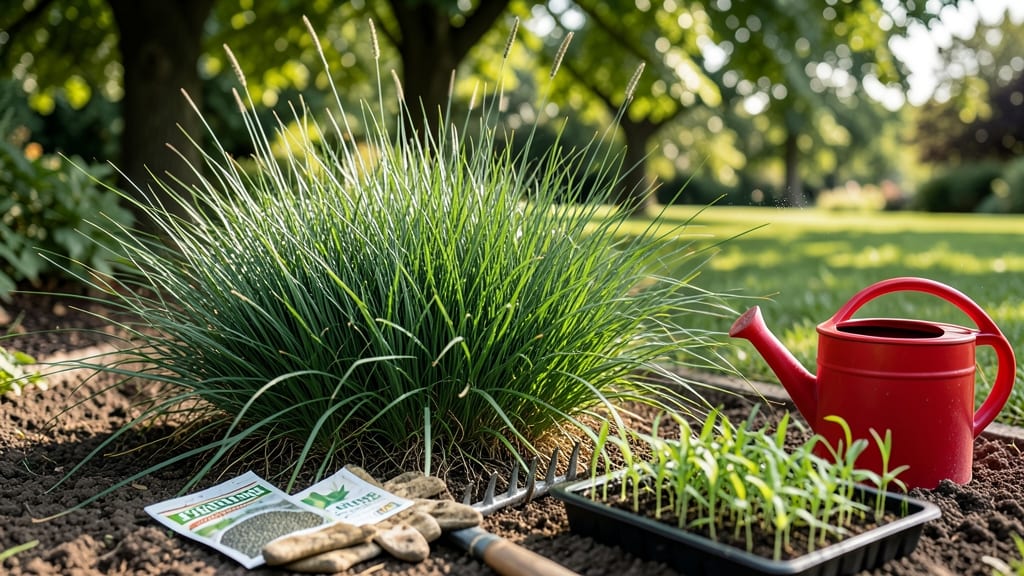
Timing your fescue 🌱 planting in Arkansas can feel like playing lawn roulette—get it wrong, and you're stuck with sparse patches or weeds taking over. The key to a thick, vibrant lawn lies in understanding when to plant this cool-season grass for maximum root establishment, especially in zones 7a-8b.
Most gardeners swear by early fall planting, but Arkansas' unpredictable spring weather makes timing tricky. Whether you're a first-timer or a seasoned lawn pro, knowing the ideal windows—March-April or September-October—can save you from costly mistakes and ensure your fescue thrives.
In this guide, I'll break down the science behind Arkansas' frost dates, soil temperatures, and how to prepare your yard for planting. You'll learn why planting 4-6 weeks before frost gives your grass the best head start—and how to avoid common pitfalls that turn green dreams into brown patches.
Ready to transform your lawn? Let's dive into the exact steps to plant fescue at the perfect time for Arkansas' climate, so you can enjoy a lush, low-maintenance yard all season long.
Best months to plant fescue in Arkansas for optimal growth
Timing your fescue planting in Arkansas is all about avoiding the state’s sweltering summer heat and late spring frost risks. As a cool-season grass, fescue thrives when soil temperatures stay between 60°F and 75°F—perfect conditions found during early fall and late winter in Arkansas’ USDA zones 7a-8b. Planting outside these windows often leads to poor germination or weak root establishment, leaving your lawn vulnerable to drought and pests.
My 10 years of Arkansas gardening taught me that fall planting (September-October) is the gold standard.
The cooler temperatures and steady rainfall give seeds time to germinate before winter dormancy. Spring planting (March-April) works too, but you’ll need to act fast—wait too long, and the heat arrives before roots take hold.
Let’s break down the best windows and why they matter for your Arkansas lawn.
🌱 Fescue Planting Windows in Arkansas
| Season | Ideal Months | Soil Temp | Rainfall | Growth Benefit |
|---|---|---|---|---|
| Early Fall | September-October | 60°F-75°F | Moderate | Strong root growth before winter |
| Late Winter | March-April | 55°F-65°F | Variable | Avoids summer heat stress |
| Avoid | May-August | Above 80°F | Low | High drought risk, poor germination |
*Arkansas’ northern regions (Zone 7a) can plant slightly earlier than southern areas (Zone 8b).
For fall planting, aim to sow seeds 4-6 weeks before the first frost date (typically mid-November in most of Arkansas).
This gives roots time to establish before winter dormancy. Spring planting should happen immediately after the last frost date (usually mid-March), but don’t wait past early April—soil warms quickly, and seeds dry out.
Arkansas’ microclimates play a huge role. Northern Arkansas (Zone 7a) can push fall planting into early November, while southern regions (Zone 8b) should finish by mid-October. Check local frost dates from your county extension office—they’ll give you the most accurate timeline for your specific area.
Pro tip: Test your soil temperature with a soil thermometer before planting—ideal temps are 60°F-75°F.
One common mistake I see is planting too late in spring. By May, Arkansas’ heat can cause seeds to dormant before germinating. If you miss the spring window, wait for fall—don’t try to plant in summer.
Another trick? Pre-sprout seeds indoors in late February for a head start on spring planting, especially if you’re in Zone 8b where summers are longer.
After choosing your window, prepare your lawn by mowing existing grass short (1-1.5 inches) and raking away debris. This creates a clean seedbed for optimal seed-to-soil contact. Lightly water the area 24 hours before planting to help seeds settle into the soil.
For best results, use a drop or slit seeder to plant at ¼-inch depth—any deeper, and seeds won’t germinate.
Watering is critical in the first 2 weeks after planting. Keep soil consistently moist (not soggy) by watering lightly twice daily until germination occurs.
Once sprouts appear, reduce to daily deep watering to encourage deep root growth. Avoid heavy foot traffic on new seedlings—they’re fragile until 3-4 inches tall. With the right timing and care, your fescue lawn will establish a dense, drought-resistant turf by
Best months to plant fescue in Arkansas for optimal growth
Arkansas’ USDA zones 7a-8b create a unique window for planting fescue, where timing directly impacts root depth and winter survival. The ideal months are March-April (spring) and September-October (fall), but understanding why these work best is key to avoiding thin, weak grass.
Fall planting is often recommended because cooler temperatures reduce stress on new seedlings, while soil remains warm enough for root growth. In Arkansas, this means targeting September 1st to October 15th—just 4-6 weeks before the first frost (typically around November 15th).
Spring planting, however, requires more caution due to Arkansas’ unpredictable weather. Aim for March 15th to April 30th, after the last frost date (usually March 15th), but avoid late spring planting after May 15th, as summer heat can stress young grass.
Northern Arkansas (zones 7a) benefits more from fall planting due to earlier frosts, while southern regions (zones 8a-8b) can extend spring planting slightly later. Always check your local Arkansas Cooperative Extension Service frost dates, as microclimates can shift windows by 1-2 weeks.
If you miss the ideal windows, don’t panic—February or November can work in a pinch, but expect slower establishment. The key is ensuring soil temperatures stay above 50°F for consistent germination.
Pro tip: Test your soil’s moisture before planting. Arkansas’ red clay holds water poorly, so aim for 1 inch of water per week (including rainfall) during establishment. Use a soil moisture meter to avoid overwatering, which is a common pitfall.