
Flowers
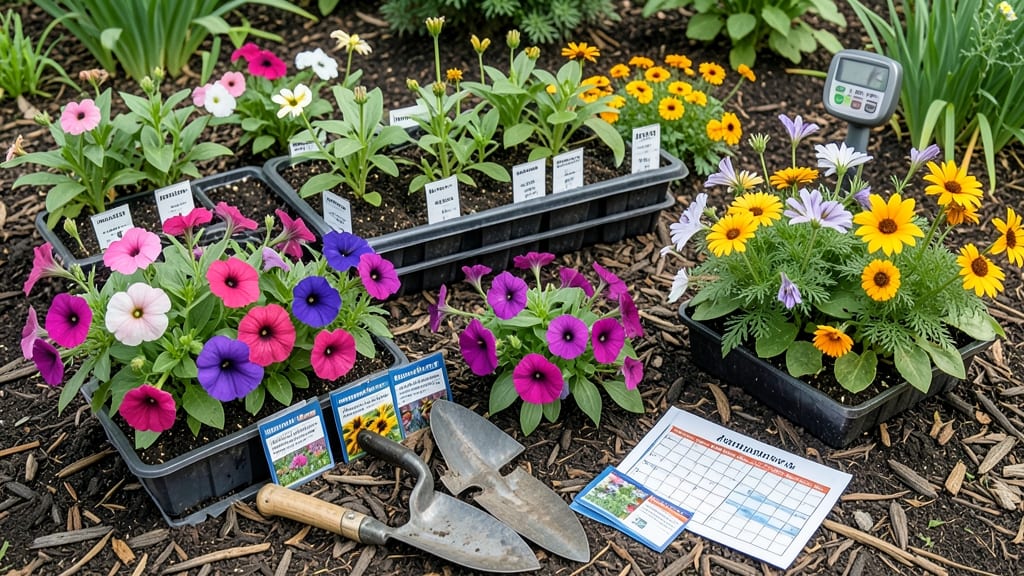
Planting flowers in Arkansas at the wrong time can mean the difference between a vibrant garden and a sad, wilted disappointment. Whether you're in Zone 7a or 7b, timing matters because those late frosts in March or early heatwaves in May can throw off even the hardiest blooms.
I’ve learned the hard way—skipping the frost date check once left my 🌸 petunias struggling through a chilly April. But here’s the good news: with the right schedule, you can ensure your flowers take root just as the soil warms, setting them up for months of color.
Let’s break down the exact windows for spring and fall planting so your garden thrives all season.
Spring is your best bet for most flowers, but not all varieties play by the same rules. Annuals like marigolds need that 60°F soil to germinate, while perennials like black-eyed Susans can handle cooler starts. And don’t overlook fall—planting in September gives many flowers a head start before winter.
Ready to avoid the common mistakes and get your Arkansas garden blooming on time? I’ll walk you through the ideal months, regional tweaks, and even what to do if you miss the window. Your dream garden starts with the right timing—let’s make it happen.
Exact months to plant annual and perennial flowers in Arkansas by type
Arkansas gardeners know timing is critical—plant your annuals and perennials too early, and frost will nip them in the bud. Too late, and they’ll bolt or fail to establish before winter’s chill.
The key is understanding Arkansas’s USDA Zones 7a and 7b, where last frost dates typically fall between March 15 and April 15, depending on elevation and microclimates.
For most spring-blooming flowers, aim to plant 4-6 weeks before the last frost.
In Arkansas, this usually means February to early April for cool-season varieties like pansies and snapdragons. Warm-season flowers, such as zinnias and marigolds, should wait until after the last frost, typically mid-April to May, when soil temperatures consistently stay above 60°F (15°C).
Fall planting is equally important—many perennials and bulbs benefit from being planted 6-8 weeks before the first frost, which in Arkansas usually lands in late September to early October. This gives roots time to establish before winter dormancy.
Here’s a quick reference for Arkansas’s most popular flower types and their ideal planting windows:
| Flower Type | Spring Planting Window | Fall Planting Window | Notes |
|---|---|---|---|
| Cool-Season Annuals (e.g., Pansies, Snapdragons, Violas) | February - Early April | September - Early October | Tolerate light frost; ideal for early spring/fall color. |
| Warm-Season Annuals (e.g., Zinnias, Marigolds, Petunias) | Mid-April - May | Not recommended | Wait until soil is warm; mulch to retain heat. |
| Perennials (e.g., Coneflowers, Black-Eyed Susans, Daylilies) | March - Early April | September - Mid-October | Establish roots before extreme heat/cold. |
| Spring-Blooming Bulbs (e.g., Tulips, Daffodils) | October - November (fall planting) | N/A | Plant bulbs in fall for spring blooms. |
| Fall-Blooming Bulbs (e.g., Chrysanthemums, Asters) | March - April | N/A | Direct sow or transplant after last frost. |
For Little Rock (Zone 7b), where springs arrive slightly earlier, you can push spring plantings into late February for hardy annuals. In Fayetteville (Zone 7a), wait until mid-April to avoid late frosts. Always check your local Almanac’s frost predictions—a few degrees can make all the difference!
Pro tip: Use row covers or cold frames to extend your planting season by 2-3 weeks in early spring or late fall. This is especially helpful for heat-sensitive perennials like lavender or cool-loving annuals like sweet alyssum.
Soil temperature matters just as much as air temperature. Use a soil thermometer to confirm 60°F (15°C) before planting warm-season flowers. If your soil is still cool, wait another week—rushing leads to leggy, weak plants.
Don’t forget to amend your soil with compost before planting. Arkansas’s clay-heavy soils benefit from organic matter to improve drainage and nutrient retention. A 2-3 inch layer of mulch after planting helps retain moisture and suppress weeds, giving your flowers the best start.
For container gardening, follow the same timing but use well-draining potting mix. Containers warm up faster in spring, so you might plant 1-2 weeks earlier than in-ground flowers. Just be prepared to move pots indoors if a late frost threatens.
Finally, keep a gardening journal to track your planting dates and success. Note which flowers thrive in your specific microclimate—some years, a late frost might delay your schedule, while a mild winter could extend your fall planting window.
How Arkansas microclimates affect flower planting times (Zone 7a vs. 7b)
Arkansas may be one state, but its microclimates create big differences in planting success. The northern half (Zone 7a), like Fayetteville and Eureka Springs, gets frost 2-3 weeks earlier than the southern half (Zone 7b), where Little Rock and Texarkana enjoy milder winters.
These variations mean your last frost date could shift from March 15 in the north to April 1 in the south.
Even within the same zone, urban heat islands in cities like Fort Smith can push soil temperatures up faster than rural areas. That means your downtown garden might be ready for warm-season flowers like zinnias weeks before your countryside plot. Always check local frost-free averages—they’re your planting compass.
Here’s how these differences play out for your garden:
| Factor | Zone 7a (North) | Zone 7b (South) |
|---|---|---|
| Last Frost Date | March 15 | April 1 |
| First Frost Date | November 15 | November 22 |
| Spring Planting Window | April 1 - May 15 | March 20 - May 30 |
| Fall Planting Window | September 1 - October 15 | September 15 - November 1 |
| Soil Warms to 60°F | Late April | Early April |
| Heatwave Risk | Low (May-June) | High (April-May) |
If you’re in Zone 7a, hold off on planting tender annuals like impatiens until after April 15—earlier starts risk frost damage. Meanwhile, Zone 7b gardeners can plant warm-season flowers like sunflowers as early as March 20, giving them a head start.
Always adjust for microclimates too: a south-facing bed warms faster than a north-facing one.
Pro tip: Use row covers in Zone 7a to extend your spring planting by 2-3 weeks. I’ve used them to plant pansies in early March—just remove them when daytime temps hit 50°F consistently. In Zone 7b, focus on shade protection for late spring plantings to prevent heat stress.
Don’t let these microclimate quirks stress you out—think of them as opportunities. Plant cool-season flowers like snapdragons earlier in Zone 7b, or choose heat-tolerant varieties like zinnias for Zone 7a’s later starts. Your garden’s unique conditions are its superpower—use them wisely!