
Plants
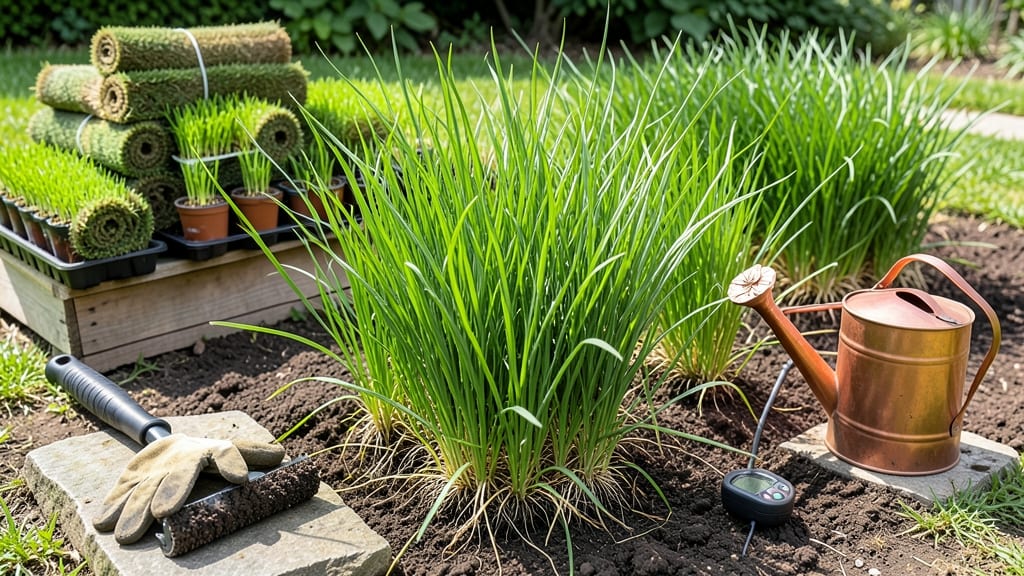
Planting fescue 🌱 at the wrong time in Missouri can leave your lawn struggling through summer heat or winter frost. The secret to lush, resilient grass lies in timing it right—especially for cool-season varieties that thrive when temperatures dip but before the ground freezes.
Missouri’s 5b-6b climate zones give you two prime windows: early fall (September to mid-October) and late spring (March to April). Planting too late in fall risks weak root growth before winter, while spring planting must happen before April 15 to avoid heat stress.
I’ll break down the exact timing for northern vs. southern Missouri, soil prep tips, and how to adjust for microclimates.
Whether you’re seeding a new lawn or overseeding an existing one, these insights will help you avoid common mistakes and get that deep, drought-resistant root system your fescue needs to survive.
Ready to transform your lawn? Let’s dive into the best strategies for planting fescue 🌱 in Missouri—so you can enjoy green grass all season long.
Optimal Missouri fescue planting dates by region and soil temperature
Missouri’s cool-season climate demands precise timing for fescue planting—especially since northern and southern regions experience different frost patterns. The ideal window is early fall (September to mid-October), when soil temperatures hover between 55-65°F, allowing roots to establish before winter.
Spring planting (late March to early April) is riskier due to late frosts in Zone 6b.
For northern Missouri (Zone 5b-6a), aim for mid-September to early October—this gives seeds 6-8 weeks to root before first frost (typically October 15). Southern Missouri (Zone 6b) can extend planting to mid-October, but avoid late fall sowing, as cool soil slows germination.
Soil temperature is your best indicator. Use a soil thermometer to confirm 60°F+ at 4-inch depth—this ensures consistent germination.
If temperatures drop below 50°F, seeds may rot before sprouting. Late summer (August) is a secondary window for oversowing, but watering demands spike during Missouri’s hot, dry spells.
Spring planting in Missouri carries higher failure risks due to late frosts (average last frost: April 15). Wait until after May 1 in northern areas to avoid seedling damage. For urban lawns, consider starter fertilizer to compensate for compacted soil common in cities like St. Louis.
🌱 Missouri Fescue Planting Timeline
| Season | Best Planting Window | Soil Temp (°F) | Notes |
|---|---|---|---|
| Fall (Primary) | Early Sept–Mid Oct | 55–65°F | 6–8 weeks before frost; ideal for root growth. |
| Late Summer (Secondary) | Late Aug | 60–70°F | High water needs; best for overseeding. |
| Spring (Risky) | Late Mar–Early Apr | 50–60°F | Wait until after last frost; use starter fertilizer. |
| Winter | Avoid | N/A | Seeds won’t germinate in freezing soil. |
📅 Pro Tip: Northern Missouri = plant 2 weeks earlier than southern regions.
Missouri’s microclimates complicate timing. Rural areas with loamy soil drain better, allowing earlier fall planting, while urban heat islands (e.g., Kansas City) may require delayed spring planting to escape unpredictable late frosts. Test your soil’s drainage rate: Poor drainage? Plant in raised beds or amend with compost.
For fine fescue varieties, prioritize shadier lawns (e.g., under trees) and plant in early September to avoid summer stress. Tall fescue, tougher and drought-resistant, can handle late September sowing but may need extra watering during Missouri’s dry autumns.
Always mow high (3–4 inches) post-planting to encourage deep roots.
Missouri’s 2023 drought patterns highlight why timing matters. Planting in late August without drip irrigation risks seed desiccation.
If you miss the fall window, spring overseeding is your backup—but fertilize lightly (10-10-10) to prevent burning tender seedlings. Organic matter (leaf mold or compost) improves water retention in sandy soils common in southwest Missouri.
Track your local frost dates using the Missouri Climate Center—their 30-year averages help adjust planting.
For example, Columbia (Zone 6b) can plant until October 20, while Cape Girardeau (Zone 7a) may extend to November 1. Adjust for elevation: Hilltops frost earlier than valleys by 1–2 weeks.
Remember: Missouri’s fescue thrives with patience. Seeds germinate in 7–21 days under ideal conditions, but root establishment takes 60–90 days. Planting too late leaves grass vulnerable to winter kill, while early planting risks summer dormancy if moisture drops. Balance temperature, soil, and rainfall for year-round resilience.
Optimal Missouri fescue planting dates by region and soil temperature
Missouri’s USDA Zones 5b-6b create distinct planting windows for fescue, with early fall being the gold standard for root establishment. In northern Missouri (like St. Louis and Columbia), aim for early September to mid-October—this gives seeds 6-8 weeks to germinate before winter dormancy.
Southern Missouri (e.g., Springfield) can extend planting until late October, thanks to milder temperatures.
Soil temperature is your best indicator: fescue thrives when soil reaches 55-65°F.
Use a soil thermometer to confirm—planting too early (when soil is still warm) risks shallow roots, while waiting too long (below 50°F) slows germination. Late summer (August) is a secondary window if you missed fall, but expect less vigorous growth before winter.
Spring planting is high-risk in Missouri due to unpredictable frost dates. If you must plant in late March to early April, wait until after the average last frost date (April 15) and monitor nighttime temperatures. Use row covers if frost threatens—fescue won’t tolerate freezing while establishing roots.
| Planting Window | Soil Temp Requirement | Missouri Region | Key Consideration |
|---|---|---|---|
| Early September to Mid-October | 55-65°F | Northern (Zones 5b-6a) | Primary window; 6-8 weeks before frost |
| Late August to Late October | 55-65°F | Southern (Zones 6b-7a) | Extended window; milder winters |
| Late March to Early April | 50-60°F (after last frost) | All Regions | High-risk; use frost protection |
For tall fescue varieties (like Kentucky 31), prioritize early fall planting—they establish faster and handle Missouri’s hot summers better than fine fescue. Fine fescue (e.g., Creeping Red) is more shade-tolerant but needs consistent moisture during establishment, making September planting ideal to avoid summer drought stress.
Pro tip: Overseeding in late September lets fescue germinate before winter while avoiding summer heat stress. If you’re renovating an existing lawn, core aerate 2-3 weeks before planting to improve seed-to-soil contact—a critical step Missouri’s compacted clay soils often lack.
Missouri’s microclimates can shift planting by 2-3 weeks. Urban areas (like Kansas City) may experience urban heat islands, delaying fall planting until mid-September. Rural or high-elevation sites (e.g., Ozarks) can plant earlier (late August) due to cooler nights.
Always check local frost dates—your county extension office has the most accurate data.