
Vegetables
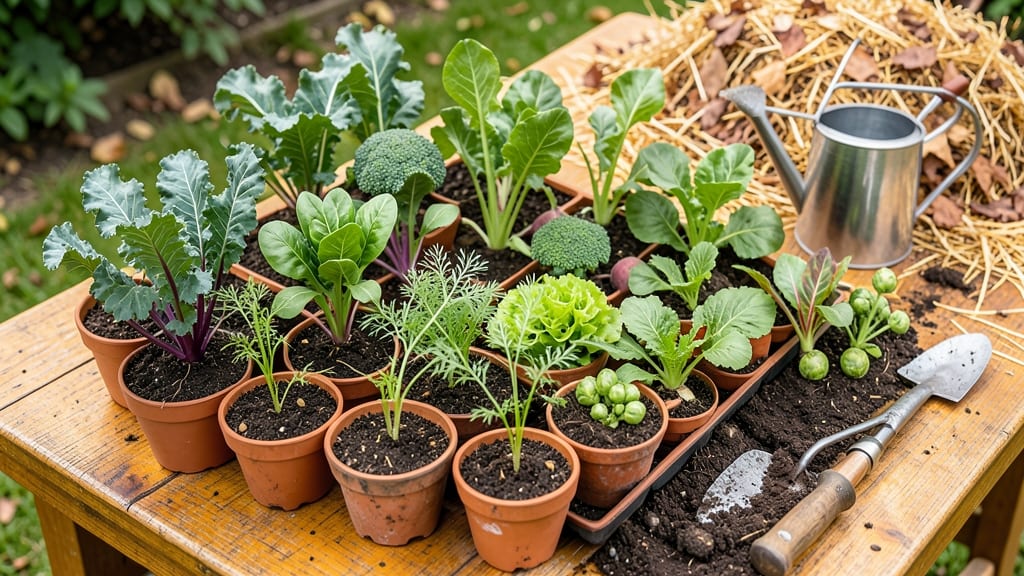
Planting your fall vegetables 🥬 in Zone 5 at the wrong time can turn your garden dreams into a frosty disappointment—one early frost can wipe out months of work.
The trick isn’t just when you plant, but understanding how soil temperatures and frost dates work together to give your crops the best shot at success.
Most Zone 5 gardeners know fall planting is all about timing, but the real secret lies in those 4-6 weeks before first frost—a window that shifts slightly each year.
Whether you're sowing hardy greens like kale or delicate roots like carrots, getting this right means the difference between a harvest that lasts through November and one that fades before the first chill.
I’ve tested what works in my own Zone 5 garden, and the results speak for themselves: soil temps between 50-65°F are non-negotiable for most fall crops, while transplanting too early or too late can leave you scrambling.
Let me walk you through the exact steps to nail your planting schedule—no guesswork, just proven strategies for a garden that keeps giving long after summer’s gone.
From choosing the right varieties to extending your harvest with simple tricks like row covers, this guide covers everything you need to turn your fall garden into a bountiful, frost-resistant success story. Ready to make this your best growing season yet?
Zone 5 fall planting timeline: when to start seeds vs transplants
In Zone 5, the key to successful fall vegetable planting lies in understanding your first frost date (typically October 1) and working backward. Most cool-season crops need 4-6 weeks to mature before frost hits.
This means starting seeds or buying transplants in late July to early August for a harvest in September and October.
Soil temperature is your best friend here—cool-season crops like kale, spinach, and carrots thrive when soil temps are between 50-65°F. If your soil is still too warm (above 70°F), seeds may rot or bolt prematurely.
Test your soil with a soil thermometer before planting to avoid costly mistakes.
Direct sowing (planting seeds straight into the ground) is ideal for root crops like carrots, beets, and radishes. These plants establish quickly and don’t like being transplanted. For leafy greens like spinach and lettuce, starting seeds indoors 4-6 weeks before transplanting gives them a head start in cooler soil.
Transplants are your best bet for broccoli, cabbage, and Brussels sprouts. These plants take longer to establish and benefit from a jumpstart. Purchase healthy transplants from a local nursery in late July and harden them off for 3-5 days before moving them outdoors.
Here’s a quick rule of thumb: Plant fast growers (radishes, lettuce) 6-8 weeks before frost, and slow growers (broccoli, Brussels sprouts) 8-12 weeks before frost. This ensures they mature before the first hard freeze.
Don’t forget about succession planting—sow a second round of fast-growing crops like spinach or arugula 3-4 weeks after your first planting. This keeps your harvests coming until frost.
One common mistake is planting too late. If you miss the July-August window, your crops may not mature before winter. Use a frost calendar for your specific location in Zone 5 (e.g., Chicago vs. Pittsburgh) to fine-tune your timing.
| Crop Type | Direct Sowing Window | Transplant Window | Soil Temp Requirement | Days to Harvest |
|---|---|---|---|---|
| Leafy Greens (Spinach, Lettuce) | Late July - Early August | Late July (transplant) | 50-65°F | 30-50 days |
| Root Crops (Carrots, Beets, Radishes) | Late July - Mid-August | Not recommended | 55-70°F | 45-60 days |
| Brassicas (Broccoli, Cabbage, Brussels Sprouts) | Late July (transplant) | Late July - Early August | 50-60°F | 60-90 days |
| Peas | Mid-August - Early September | Not recommended | 45-65°F | 50-70 days |
If you’re planting in northern Zone 5 (e.g., Michigan, upstate New York), aim for the earlier end of the window—soil cools faster there. In southern Zone 5 (e.g., Ohio, Indiana), you might have a little more flexibility, but don’t push it too late.
Zone 5 fall planting timeline: when to start seeds vs transplants
Understanding the difference between starting seeds indoors and transplanting seedlings is the first step to avoiding frost-related failures in your Zone 5 garden.
Most fall crops thrive when soil temperatures stay between 50-65°F, but the timing for each method varies dramatically—get this wrong, and you’ll either have leggy seedlings or crops that bolt before harvest.
For direct sowing (planting seeds straight into the garden), aim for 4-6 weeks before your first frost date. In most of Zone 5, this means late July to early August for hardy crops like kale, spinach, and carrots.
These plants tolerate cooler soil and can handle light frosts, making them ideal for late-summer sowing.
Transplants, however, need a gentler approach. Broccoli, cabbage, and Brussels sprouts should be transplanted 3-4 weeks before your first frost—typically mid-August in Zone 5. The key is giving them enough time to establish roots but avoiding the stress of early fall heatwaves.
🌱 Zone 5 Fall Planting Comparison
| Method | Best Time to Start | Soil Temp Requirement | Example Crops |
|---|---|---|---|
| Direct Sowing | Late July - Early August | 50-65°F | Carrots, Radishes, Lettuce |
| Transplanting | Mid-August - Early September | 55-65°F | Broccoli, Kale, Cabbage |
| Indoor Seed Start | 6-8 Weeks Before Transplant | 65-75°F (indoors) | Brussels Sprouts, Cauliflower |
📅 Pro Tip: Use a soil thermometer to verify temps—cold soil slows germination!
One of my biggest mistakes was transplanting Brussels sprouts too early in August, only to watch them bolt from the heat. Now, I start these indoors in late June and transplant them in early September—just as the soil cools.
This 12-week rule (planting to ensure harvest before frost) is my golden standard for all fall crops.
Don’t forget about succession planting—sowing small batches of radishes or lettuce every 2 weeks ensures a continuous harvest. Even in Zone 5’s short fall window, this trick can extend your garden’s productivity by 3-4 weeks before the ground freezes.
Finally, always check your local frost dates—they can vary by 1-2 weeks even within Zone 5. Microclimates near lakes or hills may have later frosts, giving you extra time to plant.
When in doubt, err on the side of planting earlier—most fall crops handle cooler temps better than they handle heat stress.