
Plants
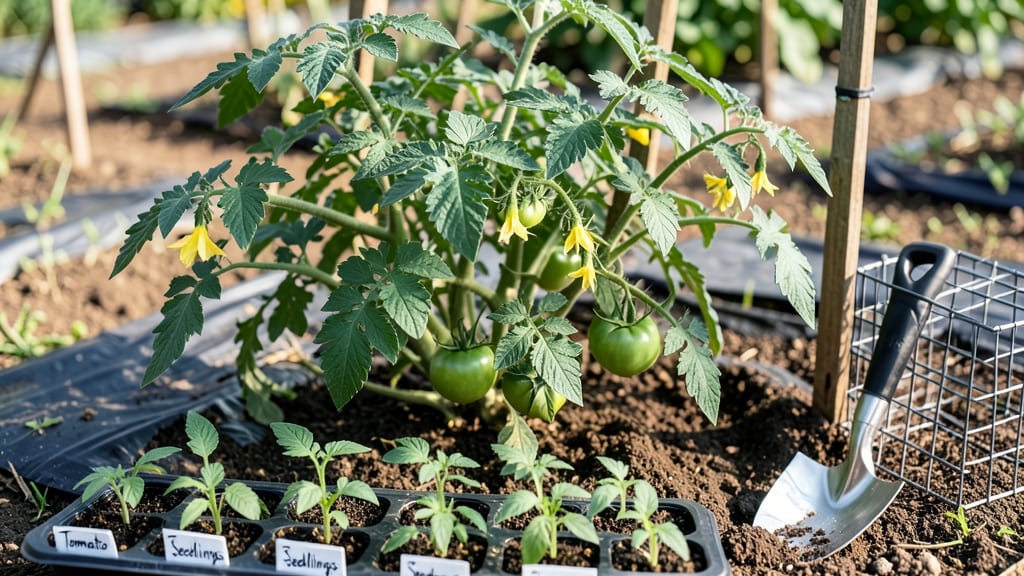
Planting tomatoes in North Carolina at the wrong time can turn your garden dreams into frost-killed disappointments—especially when your county’s last frost date varies from late March in the mountains to early April along the coast.
The key to a thriving 🍅 harvest lies in knowing exactly when to put those seedlings in the ground, whether you're in the Piedmont’s moderate climate or the coastal heat.
I’ve spent years growing tomatoes across USDA zones 7a-8b, and the difference between a bountiful harvest and a failed crop often comes down to timing. Too early, and a late frost will wipe out your plants; too late, and summer’s heat will stress them before they even fruit.
But with the right county-specific guidance, you can plant your tomatoes at the perfect moment for maximum yield.
This guide breaks down the ideal transplant dates for your region, accounting for soil warmth, microclimates, and even container vs. in-ground planting. Whether you’re a first-time gardener or a seasoned grower, these insights will help you avoid common mistakes and get your tomatoes off to the strongest start possible.
Ready to transform your garden? Let’s dive into the exact dates and strategies that will give you a healthy, productive tomato crop all season long—no guesswork required.
North Carolina county-specific tomato planting dates by hardiness zones (5a-8a)
North Carolina’s 100+ counties span USDA zones 5a-8a, creating dramatic differences in last frost dates. In the mountains (zone 5a-6a), like Asheville and Boone, you’ll plant tomatoes 2-3 weeks later than coastal areas (zone 8a), where Wilmington gardeners can start as early as March 15.
The key is aligning your planting with soil temperatures—wait until they hit 60°F+ and nighttime lows stay above 50°F.
For determinate varieties (bush tomatoes), aim for mid-April to early May in most zones. Indeterminate types (vining) need a longer season—plant them late April to early June to avoid heat stress.
Coastal regions like New Bern can push planting to February 20 under row covers, while Sylva (zone 7a) waits until May 1 for safety.
Here’s a breakdown of optimal transplant dates by region, accounting for microclimates and frost risk:
| Region | USDA Zone | Last Frost Avg. | Transplant Window | Soil Temp Goal |
|---|---|---|---|---|
| Mountains (Asheville, Boone) | 5a-6a | April 15-25 | May 1-15 | 60°F+ |
| Piedmont (Raleigh, Greensboro) | 7a-7b | March 25-April 5 | April 15-May 1 | 60°F+ |
| Coastal (Wilmington, New Bern) | 8a-8b | March 1-10 | March 20-April 15 | 55°F+ (earlier) |
| Sandhills (Fayetteville) | 7b-8a | March 15-25 | April 1-May 1 | 60°F+ |
Pro tip: Use a soil thermometer to confirm readiness—cooler soils delay germination, even if air temps seem warm. In zone 5a, like Sylva, consider staggered plantings every 2 weeks to extend harvests. For container growing, add 1-2 weeks to these dates since pots warm slower.
If you’re in a transition zone (e.g., Charlotte, zone 7b-8a), err on the side of planting later—a late frost in April can wipe out seedlings. Row covers can push dates back 2-3 weeks in risky areas, but remove them once flowers appear to prevent heat stress.
For heirloom varieties, which take 75-90 days to mature, plant early in zone 8a or late in zone 5a. Hybrids like ‘Celebrity’ (60 days) offer more flexibility. Always check your county extension office for localized frost alerts—they’re your best resource for real-time adjustments.
Remember: Tomatoes hate cold feet. Even if your air temperature is warm, cool soil will stunt roots. Amend beds with compost or aged manure 2 weeks before planting to warm the soil faster. Mulch with straw after transplanting to lock in heat and reduce moisture loss.
🌱
How to adjust tomato planting dates for North Carolina’s unpredictable weather patterns
North Carolina’s spring weather can be as unpredictable as a mountain breeze—one day warm enough for shorts, the next bringing a surprise frost.
If you plant tomatoes too early, your seedlings might bolt or succumb to cold soil shock, while planting too late risks stunted growth before summer heat arrives. The key is flexibility: use tools like soil thermometers and frost date trackers to fine-tune your schedule.
A 3-step risk assessment helps decide: First, check your local last frost date (NC ranges from mid-March in the coast to late April in the mountains). Second, monitor nighttime lows—tomatoes need consistent 50°F+ temps.
Third, adjust for microclimates: A south-facing slope warms faster than a shaded valley. For example, Asheville gardeners often wait until May 1 to avoid late frosts, while Wilmington growers can start as early as March 15 with row covers.
Cold soil (<50°F) stunts roots, while frost damage kills seedlings. Use black plastic mulch to warm soil faster or opt for heat-loving varieties like ‘Solar Fire’ if you’re eager to start.
Signs of stress: Yellowing leaves, stunted growth, or wilting despite water.
🚨 Warning: Planting Too Early
For cooler zones (5a-6a), like the Blue Ridge Mountains, extend your season with row covers or cold frames. Remove them when flowers appear to prevent heat stress.
In hotter zones (7b-8a), like the coastal plains, avoid planting in June—the dog days of summer can cause tomatoes to bolt prematurely. Instead, opt for shade cloth or drip irrigation to keep roots cool.
If unpredictable weather has you second-guessing, stagger your plantings: Start with early-maturing varieties (like ‘Early Girl’) in late April, then add mid-season types (like ‘Better Boy’) in May.
This ensures a continuous harvest even if one batch struggles. Pro tip: Hardening off seedlings for 7-10 days before transplanting builds resilience against NC’s spring temperature swings.
Tomatoes thrive when soil hits 60°F+. Bury a thermometer 2 inches deep—if it’s cooler, wait or use black plastic mulch to warm it faster. Coastal areas hit this mark by mid-April, while mountain zones may need to wait until early June.
💡 Pro Tip: Soil Thermometer Check
Finally, container gardeners have an edge: Pots warm up faster than in-ground soil, letting you plant 2-3 weeks earlier than traditional gardeners. Just ensure containers have drainage holes and use lightweight potting mix to avoid waterlogging.
Whether you’re battling mountain chills or coastal humidity, these adjustments will help you beat NC’s weather curve and enjoy a bountiful tomato harvest.
🌱