
Plants
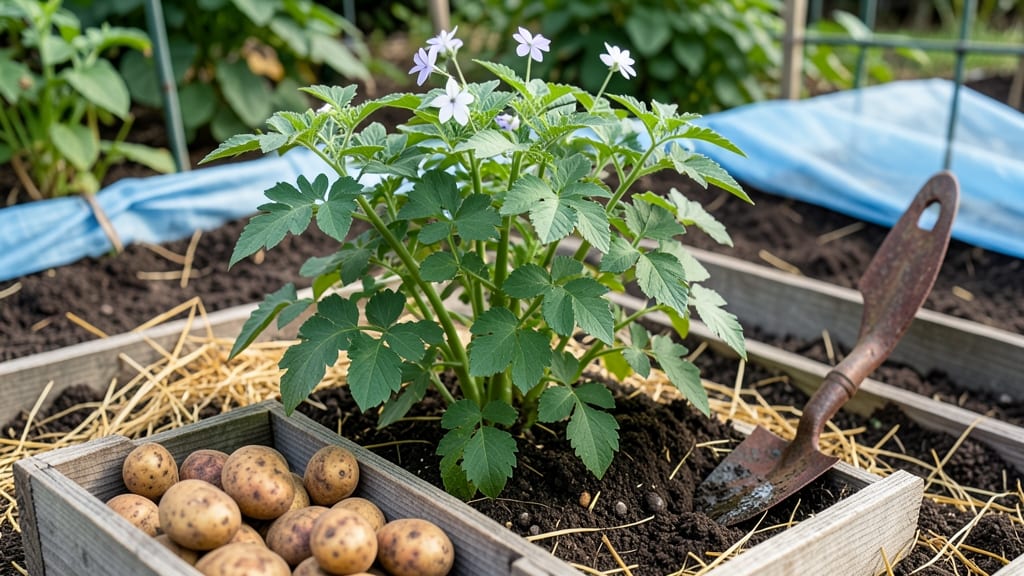
Planting fall potatoes in Arkansas isn't just about timing—it's about nailing that 4-6 week window before the first frost hits. One wrong move, and your hard work could turn to mush in the cold.
But get it right, and you'll be pulling golden 🥔 from the soil just in time for holiday feasts.
If you're in USDA zones 7a-8a, the sweet spot is mid-August to early September, but local microclimates can shift those dates by weeks.
I've seen gardeners in the Ozark foothills plant as late as early October and still pull a harvest—while others in the Delta region need to start earlier to beat the frost. The key is knowing your county's frost-free window.
What makes Arkansas unique is how quickly temperatures drop after Labor Day. Without the right prep—like mulching or row covers—your potatoes could face frost damage before they're ready.
I'll show you exactly how to adjust your planting schedule based on your location, plus 5 foolproof tips to protect your crop when the weather turns unpredictable.
Ready to grow potatoes that outlast the frost? Let's dive into the county-specific dates, variety choices, and seasonal tricks that'll turn your Arkansas garden into a potato powerhouse—no guesswork required.
Arkansas county-specific fall potato planting dates by USDA Zone
Planting fall potatoes in Arkansas requires precise timing to avoid early frost and ensure a successful harvest. Arkansas spans USDA Zones 6b through 8a, meaning frost dates vary dramatically between northern and southern counties.
To maximize your yield, align planting with your county’s last frost date and soil temperature trends.
Most Arkansas counties experience their first frost between mid-November and early December, but northern areas like Baxter or Benton County can see frost as early as late October.
Southern counties like Chicot or Miller County often enjoy frost-free windows until mid-December. Planting too early risks disease, while planting too late may leave tubers vulnerable to cold.
For a zero-frost harvest, aim to plant seed potatoes 4-6 weeks before your county’s average first frost date. This ensures tubers mature before temperatures drop below 40°F (4°C). Below is a county-specific breakdown to guide your planting schedule, including optimal soil temperatures and frost-free windows.
Soil temperature is critical—potatoes thrive when soil reaches 45°F (7°C) or warmer. Use a soil thermometer to confirm readiness, especially in cooler northern counties. If soil is too cold, delay planting until temperatures rise, even if it means pushing your schedule closer to frost dates.
In Arkansas, mid-August to early September is the ideal window for most counties. However, northern regions should start planting by late July to early August to account for shorter growing seasons. Southern counties can extend planting until mid-September without risking frost.
| County (Zone) | Optimal Planting Window | Soil Temp Requirement | Frost-Free Window | Harvest Ready By |
|---|---|---|---|---|
| Baxter (6b) | Late July - Early August | 45°F (7°C) + | 180 days | Early November |
| Benton (7a) | Early August | 45°F (7°C) + | 200 days | Mid-November |
| Pulaski (7b) | Mid-August | 45°F (7°C) + | 210 days | Late November |
| Faulkner (7b) | Early August - Mid-August | 45°F (7°C) + | 205 days | Mid-November |
| Arkansas (7a) | Late July - Early August | 45°F (7°C) + | 195 days | Early November |
| Miller (8a) | Mid-August - Early September | 45°F (7°C) + | 220 days | Late November |
| Chicot (8a) | Late August - Early September | 45°F (7°C) + | 230 days | Mid-December |
Use this table as a starting point, but always adjust for microclimates in your garden. For example, a south-facing slope warms faster than a north-facing low spot, allowing you to plant slightly later in cooler areas. Monitor local weather forecasts and historical frost data for your specific county.
If you’re unsure about your county’s frost dates, check the Arkansas Climate Office or use a frost calendar app like PlantMap. These tools provide real-time updates and help you fine-tune your planting schedule.
For example, if your county has had an unusually warm summer, you might extend planting into early September.
Once you’ve planted, focus on soil moisture and weed control to ensure tubers develop properly. Mulch with straw or grass clippings to retain heat and protect against early frosts. With the right timing and care, you’ll enjoy a bountiful fall potato harvest before winter sets in.
For gardeners in Zone 8a counties, consider planting a second crop of fast-maturing varieties like 'Red Norland' in early September. These can still produce harvestable tubers before frost, extending your growing season even further.
Remember, the key to zero-frost harvests is planning ahead. Mark your calendar now and
How to adjust planting dates for early vs. late varieties in Arkansas
Choosing the right potato variety for Arkansas’s fall planting means balancing maturity timing with your county’s frost dates.
Early varieties like 'Yukon Gold' (90-day harvest) need to be in the ground by mid-August to mature before frost, while slower 'Russet Burbank' (120-day harvest) should go in by early July for a fall crop.
Arkansas’s USDA Zones 6b-8a create microclimates where even neighboring counties may have 1-2 week differences in frost risk. For example, northwest Arkansas (Zone 7a) has earlier frosts than southeast Arkansas (Zone 8a), so adjust planting dates accordingly.
Fast-maturing varieties (60-90 days) are ideal for late August plantings, giving you a harvest before first frost. Slower varieties (90-120 days) need to be planted 4-6 weeks earlier to avoid frost damage. Use certified seed potatoes to prevent disease spread in your garden.
Early Varieties (60-90 Days)
- ✅ Best for: Late August plantings
- ✅ Examples: 'Yukon Gold', 'Red Norland'
- ✅ Pros: Fast harvest, low frost risk
- ❌ Cons: Smaller tubers, shorter storage life
Late Varieties (90-120 Days)
- ✅ Best for: Early July plantings
- ✅ Examples: 'Russet Burbank', 'Kennebec'
- ✅ Pros: Larger tubers, longer storage
- ❌ Cons: Higher frost risk, needs earlier start
For Zone 7a gardeners, aim to plant early varieties by August 15 and late varieties by July 15. In Zone 8a, you can push late varieties to late July for a fall harvest. Always check your local frost dates—Arkansas’s first frost typically arrives between November 1-15.
If you’re unsure about your variety’s maturity, test a few seed potatoes from different categories. Plant them in separate rows and monitor growth to see which matures fastest in your microclimate. This hands-on approach helps you fine-tune future plantings for zero-frost success.
Remember, soil temperature matters just as much as air temperature. Potatoes thrive when soil reaches 45°F or warmer. Use a soil thermometer to confirm readiness—cold soil delays sprouting and reduces yields. Adjust your planting window if early-season soil stays too cool.
By matching your potato variety to Arkansas’s frost timeline and soil conditions, you’ll maximize your harvest and avoid the disappointment of frost-damaged crops. Happy planting!