
Planting
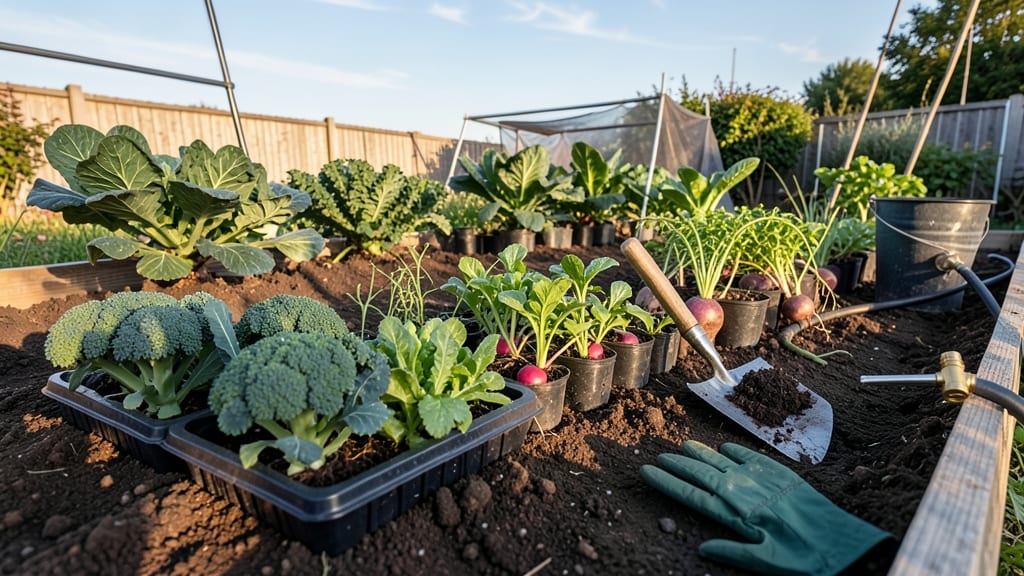
Planting your fall garden in Florida at the wrong time can mean struggling with wilting greens or stunted growth—even when the weather seems perfect. The key isn’t just avoiding frost (which barely happens here) but timing your crops to escape hurricane season’s chaos and tropical heat’s relentless sun.
I’ve learned the hard way that August through October is your sweet spot for Fall Garden Vegetables 🌱—but not all crops play by the same rules. Leafy greens like kale and collards thrive with early starts, while root veggies need cooler soil by September.
Let me break down the exact windows for your heat zone so you can sidestep common mistakes.
What you’ll discover isn’t just when to plant—it’s how to stretch your harvests into winter with simple tricks like shade cloth and succession planting. Whether you’re in Miami or Tallahassee, these strategies will help you beat Florida’s unpredictable weather and enjoy fresh produce until December.
Ready to turn your garden into a year-round harvest machine? Let’s dive into the timing secrets that’ll keep your plants happy—and your table stocked—all fall long.
Florida’s fall planting calendar by heat zone (avoid these critical mistakes)
Florida’s fall planting success hinges on understanding your heat zone. Unlike northern states, Florida’s USDA Zones 8a-11 mean no frost for most regions—but timing still matters to avoid hurricane season (June-November) and tropical heat stress.
Plant too early, and your leafy greens bolt; too late, and root vegetables struggle with humidity. Here’s the exact schedule by region.
North Florida (Zones 8a-8b, e.g., Jacksonville, Gainesville) has the shortest fall window. Start cool-season crops like broccoli and kale in mid-August to harvest before December’s rare frost.
Central Florida (Zones 9a-9b, e.g., Orlando, Tampa) can plant until early October, while South Florida (Zones 10a-11, e.g., Miami, Fort Lauderdale) enjoys year-round growing—just use shade cloth for heat-sensitive plants.
| Region | Heat Zone | Start Planting | Harvest Window | Key Crops |
|---|---|---|---|---|
| North Florida | 8a-8b | Mid-August | October–December | Broccoli, Kale, Carrots, Beets |
| Central Florida | 9a-9b | Late July–Early October | September–January | Collards, Spinach, Sweet Potatoes, Green Beans |
| South Florida | 10a-11 | Anytime (use shade) | Year-round | Lettuce, Radishes, Okra, Peppers |
🌱 Pro Tip: Use shade cloth (30-50%) for heat-sensitive crops in August-September.
Avoid planting heat-loving crops like tomatoes or peppers after mid-August in North Florida—they’ll bolt or produce poorly. Instead, swap them for cool-season varieties like mustard greens or turnips, which thrive in 60–75°F temps.
South Florida gardeners can double-crop: plant fast-maturing radishes in September, then follow with spinach in November.
Florida’s humidity and rainfall create risks like powdery mildew or root rot. Space plants 12–24 inches apart for airflow, and mulch heavily with straw or pine needles to prevent soil-borne diseases. Succession planting every 2–3 weeks ensures a steady harvest—critical since Florida’s fall growing season is shorter than spring.
Don’t overlook tropical crops like yam beans or Malabar spinach, which outperform traditional fall veggies in heat. These heat-tolerant greens stay productive when kale or lettuce wilt. For container gardens, use self-watering pots to avoid overwatering during hurricane season (September–October).
Watch for hurricane warnings after mid-August. Secure loose containers and stake tall plants (e.g., pole beans) to prevent wind damage.
If a storm hits, cover crops with burlap sacks or row fabric to shield them from debris. Post-storm, test soil pH—heavy rains can leach nutrients, leaving plants yellowing or stunted.
North Florida gardeners should monitor frost alerts via the National Weather Service (rare but possible December–January). Use row covers or cold frames to protect sensitive crops like brussels sprouts. In South Florida, frost isn’t a concern, but dry spells in November–December may require drip irrigation
Top 5 fall crops for Florida’s climate (and how to extend their season)
Florida’s humid climate and warm winters make it perfect for growing cool-season crops that thrive in fall. Unlike northern states, you won’t face frost for most of the year—but heat-sensitive varieties still need the right timing.
These top 5 fall crops are hardy, fast-growing, and perfect for extending your harvest into winter.
I’ve selected crops that tolerate Florida’s high humidity and variable temperatures while delivering big yields. Whether you’re in North Florida (where rare frosts happen) or South Florida (where winter is mild), these plants will reward you with fresh produce.
Let’s dive into the best picks and how to keep them growing longer.
🌱
🌱 Fall Crop Cold Tolerance Ratings
Collard greens are my top recommendation for Florida fall gardens. They’re heat-tolerant and actually sweeten up after light frosts—though rare in most of the state. Plant them in August-September for a harvest that lasts until December or later. Use row covers if temps dip below 30°F to protect young leaves.
For sweet potatoes, focus on early-maturing varieties like ‘Beauregard’ or ‘Georgia Jet’. Plant slips in late July to early August so they mature before cool weather slows growth.
Harvest before first frost (if any) or when vines yellow. In South Florida, you can even plant a second crop in September for a winter harvest.
Don’t overlook turnips—they’re fast-growing (ready in 30-50 days) and perfect for succession planting. Sow seeds every 2-3 weeks from August through October to keep a steady supply. Choose ‘Purple Top White Globe’ for both roots and greens—double the harvest!
If you love leafy greens, kale is a must. Varieties like ‘Lacinato’ (Dinosaur kale) handle Florida’s humidity better than others. Start seeds in late August and use shade cloth (30-50%) to protect from late-summer heat. Harvest outer leaves to keep plants producing all winter.
For quick wins, try bush beans (like ‘Blue Lake’). Plant them in September for a harvest in 60-70 days. They tolerate light frosts and thrive in well-draining soil. Use trellises to save space and improve air circulation, which reduces fungal diseases in Florida’s damp air.