
Plants
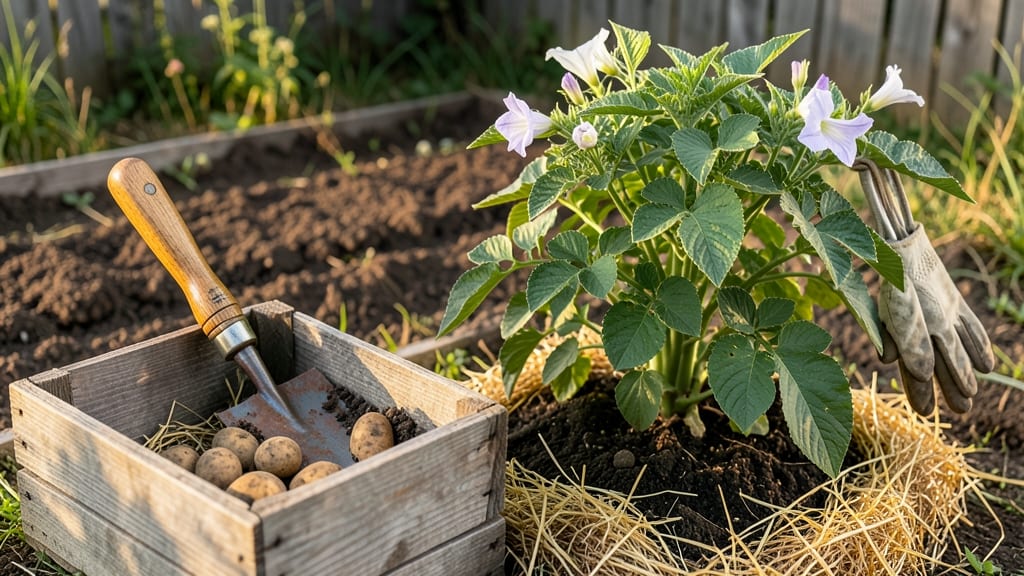
Planting fall potatoes in Zone 8 at the right time can mean the difference between a bountiful harvest and wasted effort.
With frost creeping in by mid-January, timing your 🥔 planting just 8-12 weeks before the first freeze is the key to success—especially for varieties like Yukon Gold that need 90 days to mature.
Most gardeners in Zone 8 make the mistake of waiting too long, only to watch their tubers rot in the cold. The ideal window starts in late August and stretches into early September, when soil temperatures dip but haven’t yet locked up.
This gives your potatoes enough warmth to sprout while still allowing time to harvest before winter sets in.
Why does this matter? Because fall potatoes thrive in cooler weather, and planting too early means your crop will bolt in the heat, while planting too late risks frost damage before harvest.
I’ll show you exactly how to adjust for your specific Zone 8 microclimate—whether you’re dealing with coastal breezes or inland heat—to guarantee a harvest of crisp, flavorful tubers.
Ready to avoid common pitfalls and maximize your yield? Let’s break down the exact steps, from soil prep to variety selection, so you can confidently plant your fall potatoes and enjoy a winter harvest that’ll make your neighbors jealous.
Best planting windows for fall potatoes in Zone 8: weeks before frost
In Zone 8, fall potatoes thrive when planted 8-12 weeks before your first frost date—typically between mid-August and early September.
This timing ensures tubers mature before winter chills set in, but it varies by variety. Short-season types (like 'Red LaSoda') need just 90 days, while long-season varieties (like 'Kennebec') require 120+ days. Miss this window, and you risk frost damage or disease pressure from late-season humidity.
Your local first frost date is your anchor. In most of Zone 8, this falls around mid-December, but coastal areas (like Southern California) may delay frost until January. Use your USDA frost map to pinpoint your exact date, then count backward.
For example, if frost hits December 15, plant short-season potatoes by October 1 and long-season types by September 15.
Soil temperature is just as critical as air temperature. Potatoes sprout best when soil reaches 45°F (7°C)—warmer than air temps suggest. Use a soil thermometer to confirm readiness.
In Zone 8’s hot summers, soil may stay warm into late August, giving you a slightly extended window for late plantings. However, planting after September 15 risks tubers not maturing before frost.
Here’s the Zone 8 fall potato timeline broken down by variety type:
| Variety Type | Days to Maturity | Planting Window (Zone 8) | Harvest Window | Key Risk |
|---|---|---|---|---|
| Short-Season (90-110 days) | 90-110 | Mid-August to early October | Late October to December | Late blight if planted too late |
| Medium-Season (110-120 days) | 110-120 | Late July to mid-September | September to November | Frost before maturity |
| Long-Season (120+ days) | 120+ | Late June to early August | October to December | Overwintering failure |
Pro tip: If you’re in a cooler microclimate within Zone 8 (like higher elevations in Arizona or Nevada), err on the earlier side—plant by mid-August for short-season types.
Conversely, in hot desert zones (like Phoenix), you can push plantings to early October if you use row covers to protect against unexpected chills.
Another critical factor is soil preparation. Zone 8 soils can bake hard in summer, so loosen and amend your beds 4-6 weeks before planting with compost or aged manure. This ensures tubers have room to swell without hitting compacted layers.
Aim for a pH of 5.0–6.5—test your soil now if you haven’t already. Acidic soils (below 5.0) can stunt growth, while alkaline soils (above 7.0) increase scab risk.
For container growers in Zone 8, timing shifts slightly. Since pots warm up faster, you can plant 1-2 weeks later than in-ground beds. Use 5-gallon buckets or deeper containers (12+ inches) to accommodate tuber growth.
Just ensure your pots are in full sun and you’re using a lightweight, well-draining mix (like 60% potting soil + 30% compost + 10% perlite).
Watch for late-season pests like Colorado potato beetles, which thrive in Zone 8’s warm falls. Apply neem oil or kaolin clay as a preventive spray 2 weeks before planting, then repeat every 10–14 days.
If you notice yellowing leaves or chewed foliage, act fast—these pests can decimate a crop in days.
Finally, mulch heavily with straw or leaves once plants reach 12 inches tall. This insulates tubers from temperature swings and conserves moisture. In Zone 8’s variable fall weather, mulch can mean the difference between a bountiful harvest and shriveled tubers.
Aim for a 4-inch layer—thicker mulch risks suffocating plants, while thinner layers won’t protect enough.
How to adjust planting for your Zone 8 microclimate: heat, rain, and soil factors
Zone 8’s diverse microclimates—from coastal fog belts to high-desert valleys—mean your fall potato timing can vary by weeks. Urban gardens in Los Angeles may need earlier planting than rural areas in Tucson, where hot soil lingers longer. Understanding these factors ensures your tubers mature before frost hits.
Start by checking your local frost dates. Most Zone 8 regions experience their first frost between mid-December and early January, but coastal areas like San Diego can delay frost until February.
Use your last frost date as your anchor—plant 8-10 weeks before for short-season varieties or 10-12 weeks before for longer-maturing types.
Soil temperature is critical. Potatoes thrive when soil stays between 45°F and 75°F. In high-desert areas, soils may stay warm into October, while coastal regions can cool rapidly. Use a soil thermometer to confirm 50°F+ before planting—cold soil slows sprouting and invites rot.
🌱 Key Takeaway: Zone 8 Microclimate Adjustments
Mulching is a game-changer in Zone 8. Apply 4-6 inches of straw or leaves after sprouting to insulate roots from temperature swings. This also suppresses weeds and retains moisture—critical in dry climates like Phoenix or San Antonio, where fall rains may be scarce.
Watch for late-season blight, a common threat in humid Zone 8 sub-regions like Southern California’s inland valleys or Florida’s panhandle. Choose resistant varieties (e.g., Kennebec) and avoid overhead watering. If blight appears, remove infected plants immediately and treat soil with copper fungicide.
For urban gardeners, container growing extends your options. Use 5-gallon buckets filled with well-draining mix (50% peat, 50% perlite) and plant early-maturing varieties like ‘Early Girl’. Containers warm faster in spring and can be moved to cooler spots in late fall to delay frost damage.