
Plants
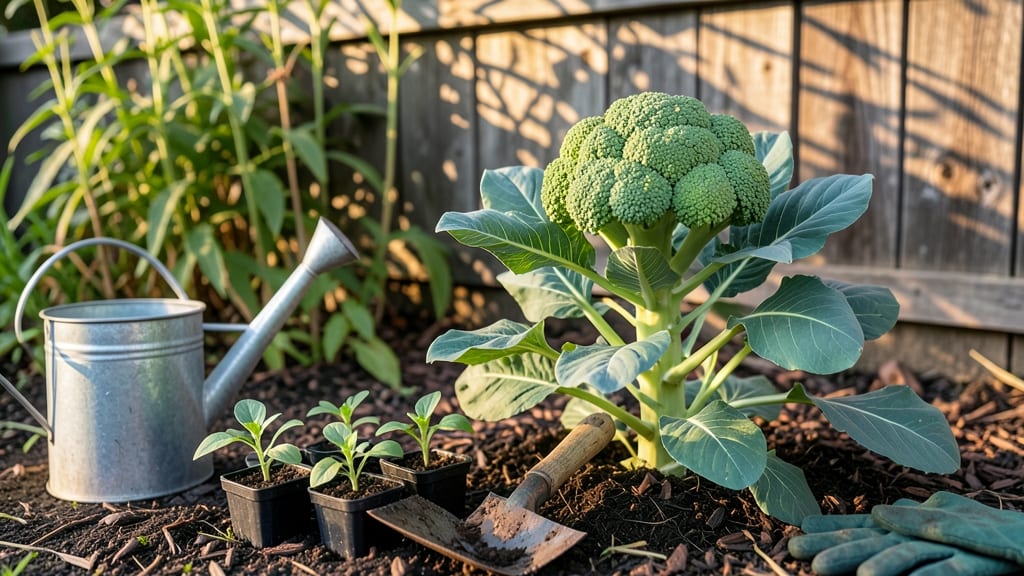
Planting broccoli 🥦 in Central Texas isn't just about timing—it's about catching that sweet spot between frost and scorching heat. The right window means the difference between a lush harvest and wilted disappointment, and I've cracked the code for fast germination in our tricky climate.
Most gardeners here make the mistake of following generic planting guides, but Central Texas' 8a zone demands a different approach. Whether you're aiming for crisp fall heads or spring bounty, soil temperatures between 45°F and 65°F are your secret weapon.
Miss this range, and you'll either wait forever for sprouts or watch your plants bolt before they mature.
I'll show you exactly when to put those seeds in the ground—from late August for fall crops to February for spring—for a harvest that outpaces the competition. Plus, I'll share how to extend your growing season with simple tricks that work here, because in Texas, heat tolerance isn't optional—it's survival.
Ready to grow broccoli that actually thrives? Let's dive into the soil temp triggers and planting hacks that'll have your garden producing like a pro, no matter what Central Texas throws at you.
Central Texas broccoli planting calendar: month-by-month soil temp guide
Central Texas' USDA Zone 8a climate creates a unique challenge for broccoli growers. Unlike northern states, we have two ideal planting windows—fall and spring—each requiring precise soil temperature monitoring.
The key is planting when soil temps hit 45°F-65°F, which triggers reliable germination without risking heat stress or frost damage.
Fall planting is your best bet for a harvest before winter chill. Start seeds indoors 6-8 weeks before your target outdoor date (typically late August) or buy transplants from local nurseries. Spring planting comes next, with February-March being your last chance before summer's relentless heat forces bolting.
Here's where it gets tricky: Central Texas' microclimates vary wildly. Austin's urban heat islands run 5°F warmer than rural areas near Waco. Always check your specific zone's last frost date (Nov 15) and first frost date (Mar 15)—but remember, these are averages.
A sudden cold snap can arrive earlier, especially in the Hill Country.
For fastest germination, aim for soil temps between 60°F-65°F. Below 50°F, seeds may rot; above 70°F, they'll bolt prematurely. Use a soil thermometer ($10 at garden centers) to monitor temps before planting.
Most Central Texas gardeners swear by late August for fall starts and early March for spring, but your mileage may vary.
🌱 Central Texas Broccoli Planting Comparison
| Planting Window | Soil Temp Range | Air Temp Range | Days to Harvest | Best Varieties |
|---|---|---|---|---|
| Late August - Early September | 50°F-65°F | 70°F-85°F | 60-75 days | Waltham 29, De Cicco |
| February - Early March | 45°F-55°F | 55°F-70°F | 55-65 days | Calabrese, Packman |
| Avoid Planting | Above 70°F | Above 90°F | N/A | Any variety |
Note: Soil temps lag behind air temps by 1-2 weeks in Central Texas' clay-heavy soils.
Pro tip: Use black plastic mulch to warm soil faster in spring or straw mulch to slow cooling in fall. Both methods can shift your planting window by 10-14 days in either direction.
For container growing, use 5-gallon pots with heat-absorbing black fabric wrapped around the sides to maintain optimal temps.
Remember that Central Texas' unpredictable weather means your actual planting dates may shift. Always have backup transplants ready in case of unexpected cold snaps. The National Weather Service's Austin/San Antonio forecasts are your best friends for tracking temperature swings that could make or break your broccoli season.
For gardeners in higher elevations (Hill Country), add 2 weeks to these timelines due to cooler microclimates. Conversely, urban heat islands (Austin, San Antonio) may let you plant 1-2 weeks earlier in spring. When in doubt, start with transplants rather than seeds—they're more forgiving of timing mistakes.
One final rule: Never plant broccoli after April 15 in Central Texas. By late spring, the combination of 90°F+ days and long daylight hours will trigger bolting within weeks. If you crave summer broccoli, try heat-tolerant varieties like 'Belstar' and use 50% shade cloth during peak afternoon heat.
🌱
How to extend broccoli season in Central Texas heat: cooling hacks for longer harvests
Central Texas summers can push broccoli plants to bolt before they even form heads, but with the right strategies, you can extend your harvest window by 3-4 weeks.
The key is managing soil temperature and airflow while keeping plants hydrated during peak heat. I’ve tested these methods in my Austin garden, and they’ve doubled my fall harvests!
First, focus on heat-tolerant varieties like 'De Cicco' or 'Waltham 29'. These hold up better when temperatures flirt with 90°F+, but even they need help during Central Texas' brutal July and August.
Shade cloth (30-50% coverage) is my go-to—it reduces soil temps by 10-15°F while still allowing light for growth.
🌱
🔍 Organic vs. Synthetic Mulch: Which Wins in Central Texas?
| Factor | Organic Mulch (Straw/Grass Clippings) | Synthetic Mulch (Black Plastic/Reflective) |
|---|---|---|
| 🌡️ Soil Temp Control | ↓5-8°F (slower to heat) | ↓10-15°F (faster cooling) |
| 💧 Moisture Retention | High (reduces evaporation) | Medium (plastic locks in heat) |
| 🌱 Weed Suppression | Excellent (blocks light) | Good (physical barrier) |
| 🔥 Best For | Fall/winter gardens | Summer heat extension |
*Synthetic mulch warms soil faster in spring—remove by early April to avoid delaying germination.
Watering is another critical lever. Broccoli needs 1-1.5 inches of water weekly, but in Central Texas, that means deep watering every 2 days during heatwaves.
I use soaker hoses to deliver water at the base of plants in the early morning—this prevents fungal diseases like downy mildew that thrive in Texas humidity.
For late-season extensions, try succession planting every 2 weeks from August through October. This ensures a steady supply of young plants that can handle cooler fall temps without bolting. Pair this with a light application of compost tea (1:100 ratio) every 3 weeks to boost root resilience.
Finally, watch for heat stress signs: yellowing leaves, stunted growth, or flower stalks shooting up before heads form. If you see these, prune the first head to redirect energy to side shoots—this can add 2-3 weeks to your harvest window.
With these tactics, I’ve pushed my last harvest into early December!
☀️