
Plants
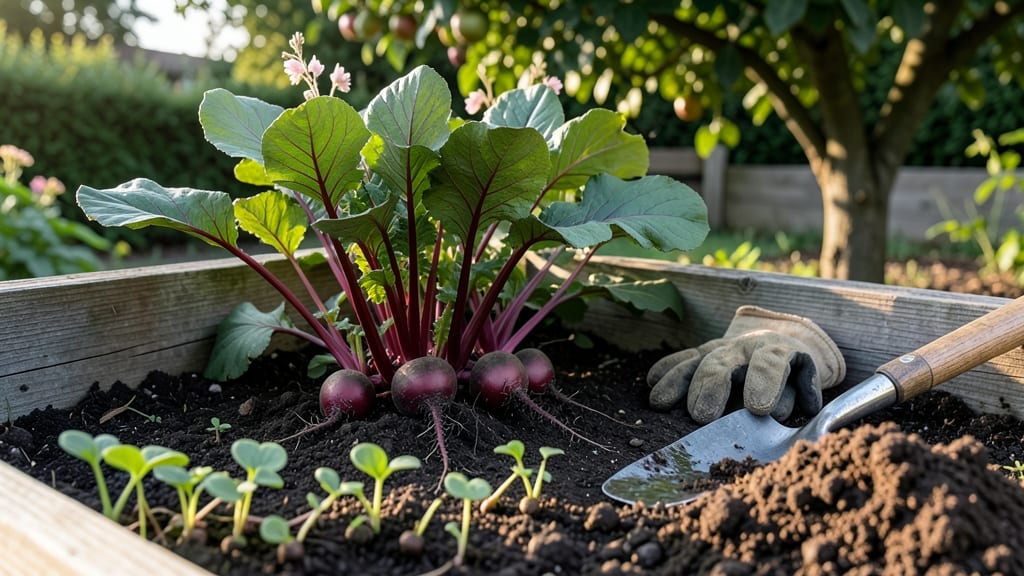
Planting fall beets in Zone 7 at the wrong time can turn your sweet harvest into a bitter disappointment—but getting the timing right is easier than you think. With just 8-10 weeks before the first frost, your 🍠 beets need precise care to mature perfectly.
Whether you're a seasoned gardener or a first-timer, knowing the exact window makes all the difference between tender roots and tough failures.
Most gardeners in Zone 7 (like Raleigh or Richmond) wait too late, risking frost damage before beets reach full size. The key is starting seeds 60-70 days before your average first frost date (usually early November). This ensures your beets grow just enough to store sweetness before winter sets in.
In this guide, I’ll break down the exact planting schedule, soil prep tips, and post-planting care to keep your beets thriving. You’ll learn how to adjust for slow or fast varieties, avoid common mistakes, and even extend your harvest with simple tricks.
Let’s get those beets in the ground at the perfect time!
Ready to grow the sweetest fall beets Zone 7 has to offer? The clock is ticking—your first frost is closer than you think!
Zone 7 fall beet planting calendar: exact weeks before frost for peak flavor
Timing is everything when planting fall beets in Zone 7. The difference between a sweet, tender harvest and tough, woody roots often comes down to planting 8-10 weeks before your first frost date.
For most of Zone 7, this means starting seeds between mid-August and early September to ensure your beets mature before temperatures drop below 25°F.
Your local frost date is the golden rule. In cities like Raleigh, NC, the average first frost hits around November 15, while Richmond, VA sees frost closer to November 1.
Counting backward from these dates gives you your planting window. For example, if your frost date is November 1, plant seeds by September 10 for a 60-day variety.
Soil temperature also plays a critical role. Beets thrive when soil is at least 50°F. In Zone 7, this typically aligns with late summer, but cooler microclimates (like shaded areas) may need a head start with row covers or cold frames.
Always check soil temp with a thermometer to avoid delays.
Here’s how to calculate your exact planting window: subtract your beet variety’s days to maturity from your frost date. For a 50-day variety like 'Babybeat', plant by September 22 if frost arrives November 1. For a 70-day variety like 'Detroit Dark Red', start by September 1.
| Zone 7 City | Avg. First Frost | Ideal Planting Window | Soil Temp Threshold |
|---|---|---|---|
| Raleigh, NC | November 15 | August 25 – September 15 | 50°F+ |
| Richmond, VA | November 1 | August 15 – September 10 | 50°F+ |
| Nashville, TN | November 10 | August 20 – September 12 | 50°F+ |
| Charlotte, NC | November 5 | August 10 – September 5 | 50°F+ |
Adjust dates 1-2 weeks earlier for cooler microclimates or slower-growing varieties.
Don’t wait until late summer to prep your soil. Beets prefer loose, well-draining soil with a pH between 6.0 and 7.0. Work in 2-3 inches of compost or aged manure 2 weeks before planting to improve fertility. Avoid fresh manure, which can cause bolting (premature flowering).
If you’re starting seeds indoors, begin 4-6 weeks before your outdoor planting date. Use seed trays with well-draining potting mix and keep them in a sunny window or under grow lights. Harden off seedlings for 7-10 days before transplanting to prevent shock.
For direct sowing, plant seeds ½ inch deep and 1-2 inches apart. Thin seedlings to 3-4 inches apart once they’re 2-3 inches tall. This spacing gives roots room to grow without competing for nutrients. Mulch with straw or shredded leaves to retain moisture and suppress weeds.
Watch for bolt-resistant varieties if your fall is particularly warm. Varieties like 'Early Wonder' (50 days) or 'Cylindra' (58 days) are less likely to bolt in extended heat. If temperatures rise above 80°F after planting, provide afternoon shade with a lightweight row cover to keep roots cool.
Your last chance to plant beets in Zone 7 is usually mid-September. After that, even fast varieties may not mature before frost. Use a frost blanket or cold frame to extend the season by 2-3 weeks if needed.
Just remember: beets are frost-tolerant, but their flavor suffers if they freeze.
Mark your calendar now! The best time to plant fall beets in Zone 7 is between mid-August and early September. With this precise timing, you’ll harvest sweet, tender roots just before winter sets in—no tough, woody failures here! 🌱
How to adjust planting for slow vs fast-maturing beet varieties in fall
Not all beets mature at the same speed, which means your planting timeline should change based on the variety you choose. Fast-maturing types like 'Babybeat' (ready in 30-40 days) give you flexibility, while slower varieties like 'Chioggia' (needing 70+ days) require earlier starts.
In Zone 7, this difference can mean the gap between a perfect harvest and one ruined by frost.
For fast varieties, you can plant as late as mid-September and still harvest before frost. But slower varieties need to be in the ground by early August to avoid winter’s chill. The key is matching your beet type to your local frost date—something I’ll help you pinpoint next.
Here’s the rule of thumb: subtract your variety’s days to maturity from your first frost date (usually November 1 in Zone 7). For example, if your frost date is November 1 and you’re growing 'Detroit Dark Red' (60 days), plant by September 2. Simple math, big results!
| Variety | Days to Maturity | Last Planting Date (Zone 7) | Flavor Profile |
|---|---|---|---|
| Babybeat | 30-40 days | Mid-September | Sweet, tender |
| Detroit Dark Red | 50-60 days | Early September | Earthy, rich |
| Golden Beet | 55-65 days | Late August | Mild, buttery |
| Chioggia | 70-80 days | Early August | Sweet, striped |
Based on average first frost of November 1 in Zone 7
Pro tip: if you love variety in your garden, plant a mix! Start your slowest-maturing beets first (like Chioggia) and follow with faster types (like Babybeat) every 2-3 weeks. This staggered approach gives you a continuous harvest right up until frost.
One mistake I see often is planting all varieties at once and hoping for the best. That’s a recipe for disappointment—some will bolt from heat stress, others won’t mature before cold.
Instead, think of your planting schedule like layers in a lasagna: each new batch builds on the last for a perfect fall feast.
Remember, soil temperature matters too. Beets struggle to germinate below 50°F, so avoid planting when nights dip too low. Use a soil thermometer to check—if it’s cooler than that, wait a week or two. Your beets will thank you with faster, healthier growth.