
Plants
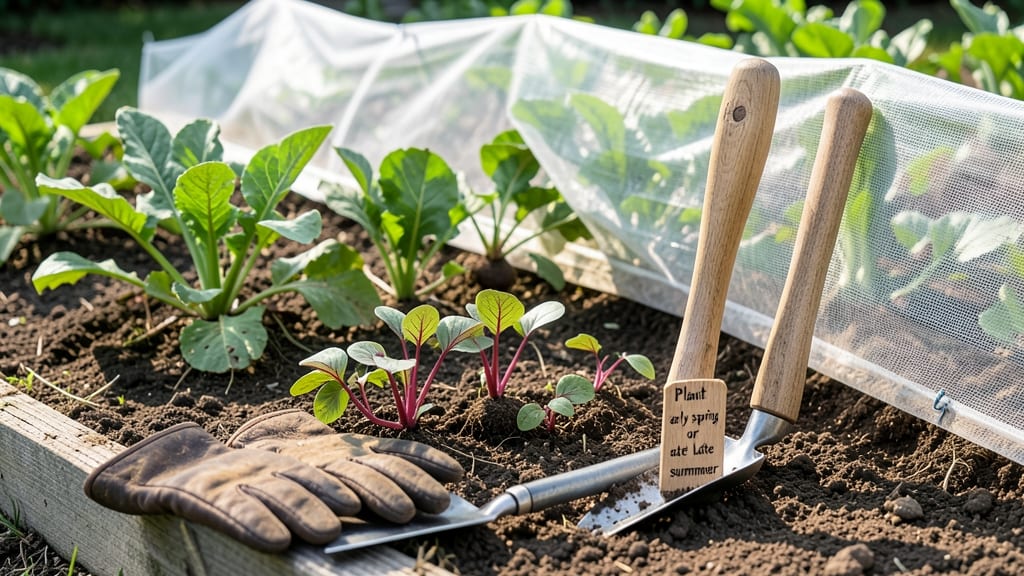
Timing your beet 🍠 planting in Indiana can mean the difference between a bountiful harvest and woody, bitter roots—especially when you're racing against frost and summer heat.
Skip the guessing game and plant at the right moment, and you'll enjoy tender, sweet beets straight from your garden all season long.
Indiana's USDA Zone 6a climate gives you two prime windows to plant beets: early spring (March-April) and late summer (July-August). But here's the catch—soil temperature and frost dates play a bigger role than you might think.
Get it wrong, and you'll either wait too long for germination or watch your crop bolt before you can harvest.
I'll break down the exact frost-free timeline you need to follow, plus soil prep tips to give your beets a head start. Whether you're a first-time gardener or a seasoned green thumb, these insights will help you plant with confidence and avoid the most common mistakes.
Ready to grow beets that thrive? Let's dive into the fastest way to get your garden producing sweet, harvest-ready roots—without the trial and error.
Ideal planting windows for beets in Indiana based on soil temperature
Indiana’s USDA Zone 6a climate means soil temperature is your best friend when planting beets. These cool-season crops thrive when soil reaches 40-70°F, but timing varies between spring and fall plantings.
In Northern Indiana, wait until after the last frost date (around April 15), while Southern Indiana gardeners can start slightly earlier.
For spring plantings, aim for March to early April once soil warms above 40°F. Beets germinate best in consistent 50-60°F soil, so avoid planting when nighttime temps dip below freezing.
In fall, sow seeds July to August for a late-season harvest before first frost (October 15).
Use a soil thermometer to check temps—beets won’t sprout if soil is too cold. In North Central Indiana, where frosts linger longer, delay planting until mid-April. Meanwhile, Southwest Indiana’s warmer microclimate allows for earlier starts in late March.
Below is the required gardening-focused table:| Planting Window | Soil Temp Requirement | Indiana Region | Key Action |
|---|---|---|---|
| Early Spring | 40-50°F | North Indiana | Wait until April 15 (last frost) |
| Late Spring | 50-60°F | South Indiana | Start late March for faster growth |
| Summer (Fall Crop) | 60-70°F | All Regions | Sow July-August for fall harvest |
| Avoid Planting | Below 40°F | Everywhere | Seeds won’t germinate in cold soil |
Beets planted in late summer (July-August) mature faster due to longer daylight, but watch for bolting if temps exceed 80°F. Use shade cloth during heatwaves to protect seedlings. In Northern Indiana, a row cover extends the harvest window by 2-3 weeks in spring.
For succession planting, sow new seeds every 2 weeks from March to July. This ensures a continuous harvest through October. In Southern Indiana’s warmer zones, you can even squeeze in a third planting in September for a late fall crop.
Always test your soil pH (6.0-7.0 ideal) before planting—beets struggle in acidic soil. Amend with lime if needed, but avoid over-fertilizing, which leads to leafy growth over root development. A balanced 5-10-10 fertilizer applied at planting time is sufficient.
Pro tip: Plant beets with onions or lettuce to deter pests like leaf miners. Avoid planting near pole beans, which compete for nutrients. In Indiana’s clay-heavy soils, mix in compost to improve drainage and prevent rot.
Remember, Indiana’s unpredictable weather means flexibility is key. Monitor 7-day forecasts and adjust planting dates if late frosts threaten. With the right timing, you’ll enjoy homegrown beets from June to November!
Ideal planting windows for beets in Indiana based on soil temperature
Indiana’s USDA Zone 6a climate creates two perfect windows for planting beets: early spring and late summer. The key is aligning your planting with soil temperatures between 40-70°F—too cold, and seeds won’t germinate; too hot, and they’ll bolt prematurely.
Let’s break down the exact timing for Indiana’s North vs. South regions, where frost dates can vary by 2-3 weeks.
For spring planting, aim for mid-March to early April in Southern Indiana (e.g., Evansville) and late March to mid-April in Northern Indiana (e.g., Fort Wayne). Soil should reach at least 45°F—use a soil thermometer to check.
In USDA Zone 5b areas (like Gary), wait until April 1st to avoid late frosts.
| Planting Window | Soil Temp Requirement | Indiana Region | Germination Time |
| Early Spring | 45-60°F | South (Mar 15-Apr 5) | 7-14 days |
| Early Spring | 45-60°F | North (Mar 30-Apr 15) | 10-14 days |
| Late Summer | 50-70°F | All Regions (Jul 15-Aug 15) | 5-10 days |
For late-summer planting, focus on July 15 to August 15 to harvest before Indiana’s first frost (October 15). This window avoids summer’s peak heat while still allowing 60-70 days to maturity. Use shade cloth if temperatures exceed 85°F to prevent bolting.
Pro tip: In Northern Indiana, where springs are cooler, start seeds indoors in late February and transplant after last frost. Southern Indiana gardeners can direct-sow as early as mid-February under row covers. Always test soil pH—beets thrive in 6.0-7.0 range.
Missed the spring window? No problem! Beets are one of the few vegetables that tolerate light frosts, making them ideal for fall harvests. Just plant 8-10 weeks before first frost (early September in most of Indiana) for a second crop.
Remember: Consistent moisture is critical during germination. Keep soil evenly moist (not soggy) until seedlings emerge—this is your best defense against crusting soil** in Indiana’s variable spring rains.