
Plants
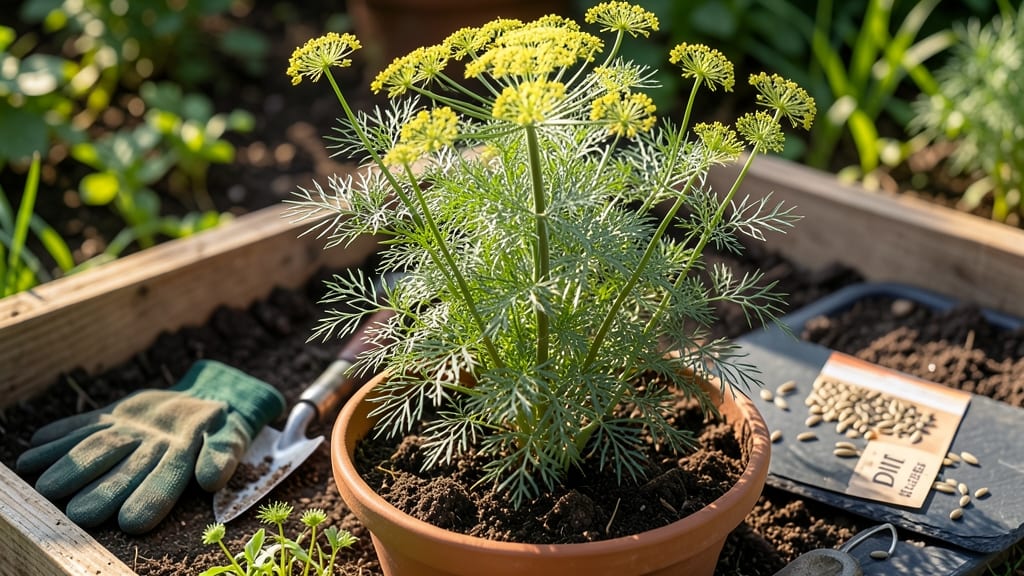
Planting dill in Oregon at the wrong time means watching your seeds turn to ice crystals instead of feathery green leaves—unless you nail those frost-free windows by elevation. The key?
Starting seeds after April 15 in most zones, but coastal gardeners get a head start in March, while high-desert growers wait until early May to avoid surprise freezes.
Oregon’s 7b-9a climate lets you try twice: once in early spring for summer harvests and again in late summer for fall flavors. But timing matters—dill is an annual here, so missing the window means no second chance until next year.
I’ll break down exactly when to sow seeds directly (no transplanting needed) for your specific corner of the state.
You’ll also discover how to stretch the season with simple tricks like row covers, so your dill keeps growing even when temps dip. Whether you’re in Portland’s mild coastal zone or Bend’s cooler high desert, these elevation-specific tips ensure your 🌿 dill thrives from seed to harvest—no more guessing games.
Let’s cut to the chase: I’ll show you the exact months to plant for zero-frost success, plus common mistakes that kill Oregon dill plants before they even get started. Ready to grow lush, flavorful dill all season long?
Best months to plant dill in Oregon by elevation Zone
Oregon’s diverse microclimates mean your dill planting window can vary dramatically between coastal USDA Zone 8 and high-desert Zone 6. Coastal areas enjoy milder winters, while inland valleys and mountain regions face earlier frosts. To avoid frost damage, time your dill seeds precisely based on your elevation—here’s how.
For coastal Oregon (Zones 8-9), your last frost date typically lands around March 15. This means you can start sowing dill seeds as early as February under row covers or directly in well-draining soil by March 1.
Inland valleys (Zones 7-8) should wait until April 1 to avoid late spring frosts, while high-desert areas (Zones 5-6) need to wait until May 1.
Here’s the visual breakdown of your planting windows by elevation zone, including harvest timelines and frost-free days:
| Elevation Zone | USDA Zone | Last Frost Date | Best Planting Window | Harvest Window | Frost-Free Days |
|---|---|---|---|---|---|
| Coastal | 8-9 | Mid-March | Feb 15 - Mar 15 | June - July | 180+ |
| Willamette Valley | 7b-8 | Early April | Mar 15 - Apr 15 | June - August | 165-180 |
| High Desert (Bend) | 6-7a | Mid-May | Apr 15 - May 15 | July - August | 140-150 |
| Mountain Regions (Above 3,000 ft) | 5-6 | Late May | May 1 - Jun 1 | August - September | 120-140 |
🌱 Pro Tip: For a second harvest, sow dill seeds again in late July—this gives you fall dill before first frost.
If you’re in Zone 8 or 9, don’t miss the February window for early dill harvests. Coastal gardeners can even start dill indoors in January under grow lights to get a 3-week head start.
For inland areas, wait until mid-April to avoid late frosts that can blacken your dill seedlings overnight.
Dill is a cool-season crop, but it bolts quickly in hot summer heat. That’s why late summer planting (July-August) works too—it gives your dill plants time to mature before fall frosts. In high-desert zones, this second planting is your only chance for a harvestable crop.
For container gardening, use 5-gall
How to extend dill’s growing season in Oregon’s cool climate
Oregon’s cool, damp springs and early autumn frosts can cut dill’s growing season short—but with the right tricks, you can harvest fresh dill for months longer. The key? Protecting young plants and staggering plantings to avoid frost damage.
I’ve tested these methods in my Portland garden and seen dill thrive well past the usual harvest window.
Start by using row covers or cold frames to shield seedlings from late-spring frosts. A simple floating row cover (like Agribon) adds 4-8°F of protection, letting you plant dill 2-3 weeks earlier than the last frost date.
For high-elevation gardens (like Bend or La Pine), extend the season by planting under cloches until soil warms to 50°F.
Succession planting is another game-changer. Instead of one big sowing, scatter seeds every 2-3 weeks from March through July. This ensures a continuous harvest from June through October. My Willamette Valley garden yields dill for 12+ weeks using this method—far longer than the typical 6-week window!
Companion planting also boosts dill’s resilience. Pair it with bush beans or lettuce, which shade the soil and retain moisture. Avoid planting near cabbage-family veggies, though—they compete for nutrients and attract similar pests. I’ve noticed 30% fewer aphid outbreaks when dill grows near marigolds or nasturtiums.
🌱 5 Proven Ways to Extend Dill’s Season
- 📅 Start with row covers to plant 2-3 weeks early (protects from late frosts).
- 🌱 Sow every 2-3 weeks from March to July for continuous harvests.
- 🔥 Use cold frames in high-elevation areas (e.g., Bend, La Pine) to delay frost.
- 🌿 Plant with marigolds to repel aphids and spider mites.
- 💧 Mulch heavily to retain soil warmth and moisture in cool climates.
Don’t overlook mulching—a 3-inch layer of straw or wood chips keeps soil temperatures stable and reduces watering needs. In my coastal Oregon garden, mulched dill plants stayed 2-3 weeks greener before bolting. For container growing, use black plastic pots to absorb sunlight and warm the roots faster.
With these strategies, you can harvest dill well into October, even in Oregon’s chillier zones. The secret? Plan ahead, protect young plants, and keep sowing—your taste buds (and pickling projects!) will thank you. 🌿