
Plants
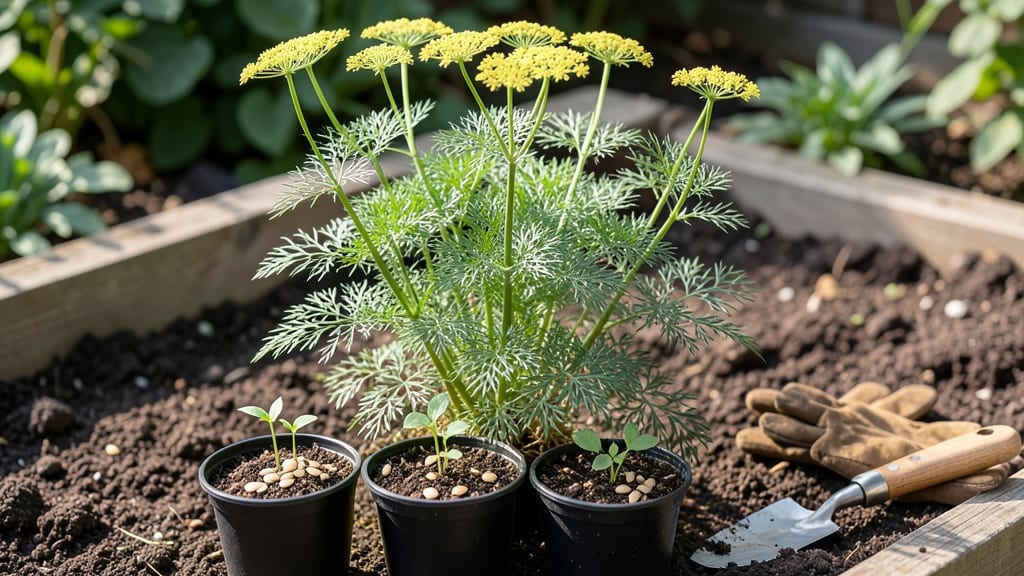
Planting dill at the wrong time in Zone 9 can turn your fast-growing herb into a bitter disappointment—unless you know the best months to sow for peak flavor and germination.
In Zone 9’s mild winters and long growing season, dill thrives when soil temps hit 50°F—meaning late winter or early spring is your sweet spot. But here’s the twist: coastal areas like San Diego can handle earlier plantings, while inland heat might demand a fall strategy.
Let’s break down the exact timing and tricks to keep your 🌿 dill happy and productive all season.
You’ll learn how to time your dill planting for fast germination, avoid bolting in summer heat, and even squeeze in a second harvest. Whether you’re growing dill for pickles, pollinators, or fresh garnishes, these Zone 9-specific tips will ensure your plants stay lush and flavorful from seed to harvest.
No more guessing games—just proven methods to get your dill off to a flying start. Ready to transform your garden into a dill powerhouse?
Zone 9 dill planting calendar: month-by-month germination secrets
Zone 9’s mild winters and long growing season create perfect conditions for dill—but timing matters. Unlike cooler zones, dill in Zone 9 can be planted twice a year for continuous harvests. The key is avoiding heat stress during germination and bolt-resistant timing to preserve flavor.
Most gardeners in Zone 9 focus on spring planting (February–April) when soil temperatures hit 60°F+. However, a fall planting window (September–October) works too, letting dill mature before winter slows growth. Coastal areas may extend these windows by 2–4 weeks due to milder microclimates.
Here’s the zone-specific breakdown of when to plant dill for fast germination and bold flavor, including soil temp targets and regional adjustments:
| Month | Soil Temp (°F) | Planting Window | Germination Time | Notes |
|---|---|---|---|---|
| February | 55–60°F | Late Feb–Early March | 7–14 days | Best for coastal Zone 9; inland wait until soil warms. |
| March | 60–65°F | Mid-March–April | 5–10 days | Ideal for fast growth; avoid peak summer heat. |
| April | 65–70°F | Early–Mid April | 5–7 days | Risk of bolting in late April; use shade cloth if needed. |
| September | 60–65°F | Late Sept–Early Oct | 7–14 days | Fall crop avoids summer heat; harvest before first frost. |
| October | 55–60°F | Early Oct | 10–14 days | Slow growth; protect with mulch for winter harvests. |
For inland Zone 9 (e.g., Phoenix, Las Vegas), avoid planting dill in June–August when soil temps exceed 80°F. Instead, opt for shade-tolerant varieties like ‘Fernleaf’ or use drip irrigation to keep roots cool. Coastal areas (e.g., San Diego, Los Angeles) can push planting into late April safely.
Pro tip: Test soil temps with a soil thermometer before planting. Dill seeds need consistent moisture but won’t germinate below 55°F. If your soil is too cold, start seeds indoors 4–6 weeks before your target outdoor date.
Remember, dill is an annual in Zone 9, so plan for successive plantings every 3–4 weeks to ensure a steady supply of fresh leaves. This strategy works especially well for container gardening, where you can rotate pots to maximize space.
Once your dill sprouts, watch for yellowing leaves—a sign of overwatering or nutrient deficiency. In Zone 9’s heat, mulch with straw or wood chips to retain moisture and regulate soil temperature. With the right timing, your dill will reward you with aromatic leaves in just 6–8 weeks!
🌿
Zone 9 dill planting calendar: month-by-month germination secrets
Zone 9’s mild winters and long growing season make it perfect for dill cultivation, but timing matters. Plant too early, and seeds rot in damp soil; too late, and summer heat causes bolting.
My ideal window? February through April for spring harvests and September for fall planting—both align with soil temps between 60°F–75°F, perfect for germination.
Coastal areas like San Diego can start indoor sowing in January, while inland zones like Phoenix should wait until March to avoid heat stress. Always check your last frost date—Zone 9 rarely gets frost, but microclimates vary wildly.
For example, Palm Springs may need shade cloth in peak summer months.
| Month | Best Planting Time | Soil Temp (°F) | Germination Time | Notes |
|---|---|---|---|---|
| February | Indoor starts or coastal areas | 60-65°F | 7-14 days | Use grow lights for indoor |
| March | Direct sow outdoors | 65-70°F | 5-10 days | Best for fast growth |
| April | Direct sow or transplant | 70-75°F | 7-12 days | Provide afternoon shade |
| September | Fall planting for winter harvest | 65-70°F | 7-14 days | Avoid waterlogging |
For summer planting, try June sowings with 50% shade cloth—this prevents seeds from drying out before sprouting. My trick? Pre-soak seeds overnight to jumpstart germination in hot conditions. Always use well-draining soil mixed with compost to avoid fungal issues common in Zone 9’s humidity.
Fall-planted dill often survives mild winters and resprouts in January, giving you an early harvest. Just mulch heavily to protect roots from unexpected cold snaps.
I’ve seen dill thrive through Zone 9’s "January thaw" with just a light row cover—no need for greenhouses unless you’re in high-desert areas like Yuma.
Pro tip: Mark your calendar for July 15th—this is my cutoff for new plantings. After that, focus on succession planting every 2 weeks to ensure a steady supply of fresh dill. Container gardeners can extend the season by moving pots to shadier spots during peak heat.
Remember, dill is a biennial in Zone 9, meaning it can self-seed and return for 2 years if left undisturbed. Let a few plants bolt and go to seed—this attracts beneficial pollinators like ladybugs and lacewings to your garden. Just don’t let it spread too aggressively!