
Plants
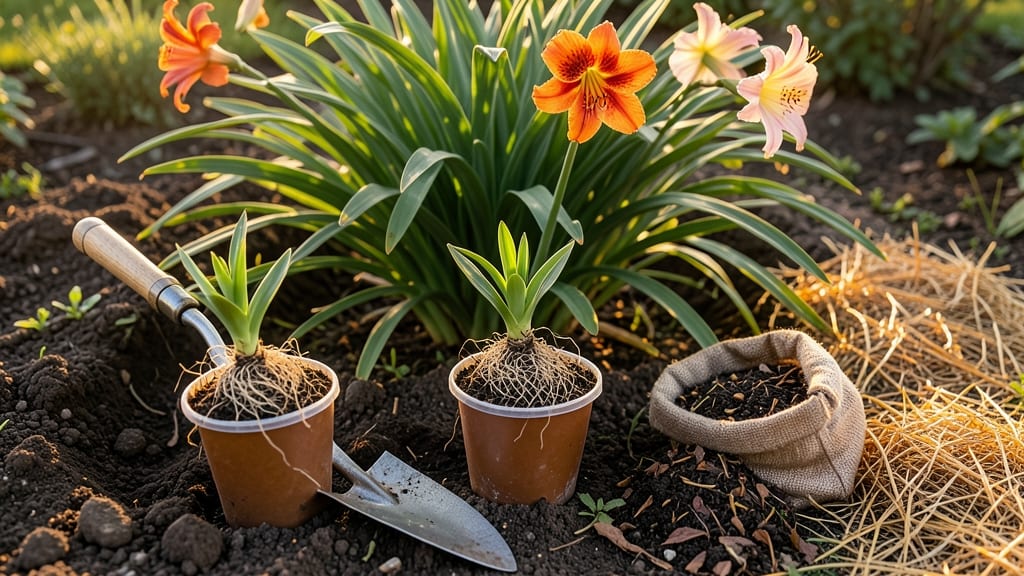
Planting your 🌸 daylily bulbs at the wrong time in Zone 8 could mean struggling with weak growth or winter damage—so timing is everything.
Unlike true bulbs, daylilies thrive when soil temperatures hit that sweet spot between 50-60°F, giving them the perfect start without the stress of extreme heat or frost.
If you've ever wondered why some gardeners swear by early spring planting while others prefer fall, the answer lies in your local microclimate. Coastal areas in Zone 8 might have milder winters, while inland spots face earlier frosts—so knowing your last frost date is the key to success.
I’ll break down exactly when to plant—whether you’re working with spring’s warming soil or fall’s cooling temperatures—plus how to prep your soil and space those rhizomes for maximum blooms. Let’s get those daylilies in the ground the right way!
Ready to avoid common mistakes like planting too early (heat shock) or too late (frost damage)? I’ve got actionable tips to help you time it perfectly, so you can enjoy summer’s vibrant blooms without the guesswork.
Optimal soil temperature & planting window for Zone 8 daylilies
First, let’s clear up a common confusion: daylilies don’t grow from bulbs—they thrive from rhizomes, which are thick, horizontal root systems. That said, the planting principles remain the same.
In Zone 8, your goal is to plant when the soil temperature hovers between 50°F and 60°F, giving roots time to establish before summer heat or winter chill sets in.
For most of Zone 8, this means focusing on two ideal windows: early spring (March-April) and early fall (September-October). Spring planting lets rhizomes root before summer’s peak heat, while fall planting avoids the stress of summer heat while still allowing roots to settle before winter.
Both strategies minimize transplant shock and maximize bloom potential.
Here’s the critical detail: soil temperature matters more than air temperature. Use a soil thermometer to check—if it’s below 50°F, wait. If it’s above 60°F, you risk heat stress.
In Zone 8’s warmer microclimates, like coastal areas, you might even extend planting into late October, but inland regions should aim to finish by mid-October to avoid early frost.
| Key Factor | Zone 8 Specification |
|---|---|
| Best Planting Window | Early spring (March-April) or early fall (September-October) |
| Ideal Soil Temperature | 50°F–60°F (use a soil thermometer to confirm) |
| Spring Planting Deadline | April 15 (before summer heat peaks) |
| Fall Planting Deadline | Mid-October (6–8 weeks before first frost) |
| Soil Prep Requirement | Well-draining, amended with compost (pH 6.0–7.0) |
| Planting Depth | 1–2 inches deep (rhizomes should sit just below soil surface) |
| Spacing | 12–18 inches apart (allows airflow and reduces disease risk) |
| Post-Planting Care | Water deeply (1 inch weekly) until established, then reduce |
If you’re planting in spring, aim to get rhizomes in the ground by mid-April to avoid the brutal summer heat that can stress new plants. In fall, the window is slightly wider—September through mid-October works well—but don’t wait until November, as cooler soils slow root growth.
Pro tip: Mulch after planting to retain moisture and regulate soil temperature.
One mistake I see often is planting daylilies too early in spring when the soil is still cold. This delays root establishment and can lead to weak plants that struggle during summer. Conversely, planting too late in fall risks frost damage before roots take hold.
Always check your local frost-free dates—most of Zone 8 has a first frost around November 15, so plan accordingly.
For coastal Zone 8 areas, like parts of California or the Gulf Coast, you can sometimes push planting into late October or even November because milder winters reduce frost risk.
However, inland areas—like parts of Texas or Arizona—should stick to the earlier deadlines to avoid unexpected cold snaps. Pay attention to 7-day forecasts before planting in fall to avoid early freezes.
Another pro tip: Soak rhizomes in water for 1–2 hours before planting. This jumpstarts hydration and helps roots establish faster. After planting, water deeply to settle the soil and remove air pockets. Avoid overhead watering, which can spread disease—stick to drip irrigation or soaker hoses for best results.
Finally, remember that daylilies are hardy perennials, meaning they’ll come back year after year if planted correctly. The first year is all about establishing strong roots, so don’t expect showy blooms immediately.
Focus on soil prep, proper spacing, and consistent watering, and your daylilies will reward you with vibrant flowers for decades.
Optimal soil temperature & planting window for Zone 8 daylilies
First, let’s clarify: daylilies grow from rhizomes, not bulbs! These hardy perennials thrive in Zone 8’s mild winters and hot summers, but timing your planting is key to avoiding heat stress or frost damage.
The best window focuses on soil temperature and seasonal cues—aim for when the ground warms to 50–60°F in spring or cools slightly in fall.
In Zone 8, your ideal planting months are September through October (fall) or March through April (spring). Fall planting gives rhizomes time to establish roots before winter, while spring planting lets them grow as temperatures rise.
Avoid planting when soil is too hot (above 70°F) or when frost is imminent—both can stunt growth or kill tender new shoots.
🌱Pro Tip: Use a soil thermometer to check depth (2–3 inches). If temps are below 50°F, wait—cold soil slows root development. In Zone 8’s inland areas, early September is safer than late October, while coastal regions can extend planting into November due to milder microclimates.
| Season | Best Planting Window | Soil Temp Requirement | Key Risk to Avoid |
|---|---|---|---|
| Spring | March–April | 50–60°F (10–15°C) | Late frosts or heatwaves |
| Fall | September–October | 55–65°F (13–18°C) | Early winter freezes |
For spring planting, wait until after your last frost date (typically mid-March in Zone 8). If you plant too early, rhizomes may rot in cold, wet soil. In fall, aim to plant 6–8 weeks before the first frost—this gives roots time to anchor before winter dormancy.
In southern Zone 8 (e.g., San Diego), you can push planting into late October or November, but northern Zone 8 (e.g., Las Vegas) should finish by mid-October.
🌡️Heatwave Alert: Avoid planting during summer months (June–August) when soil can exceed 80°F. High temperatures cause rhizomes to desiccate or fail to root. If you must plant in summer, use shade cloth and water deeply to protect new growth.
After choosing your window, prep the soil by amending with compost or aged manure to improve drainage—daylilies hate soggy roots. Plant rhizomes horizontally, just below soil level, with the crown (neck) exposed.
Space them 12–18 inches apart for mature plants to spread. Water lightly after planting, then reduce frequency as roots establish.
✅Success Check: Healthy daylilies in Zone 8 should show new foliage within 3–4 weeks of planting. If growth stalls, check for overwatering or poor drainage—both are common pitfalls in Zone 8’s mixed climates.