
Plants
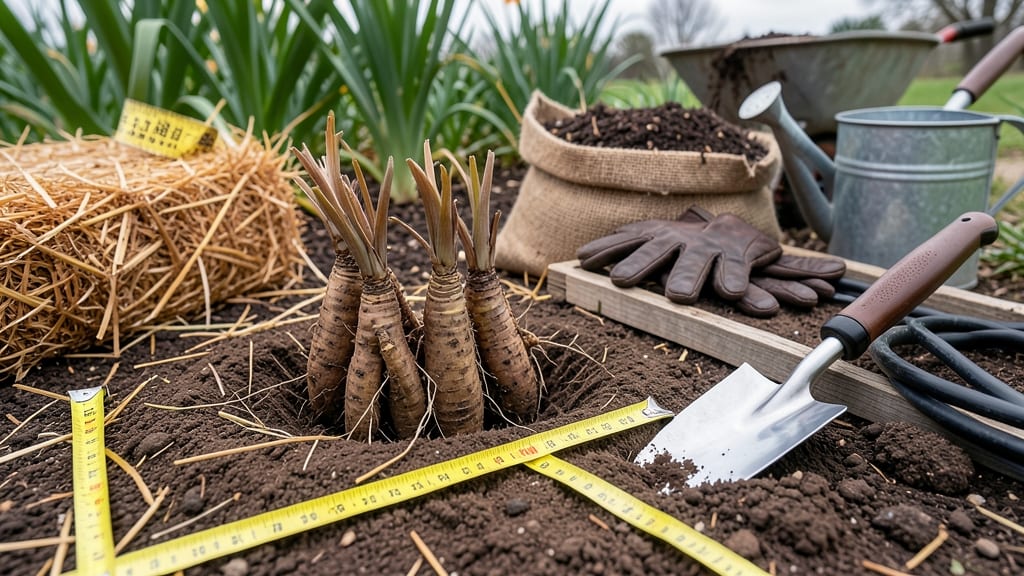
Timing your daylily bulb planting just right in Zone 5 could mean the difference between vibrant blooms by mid-summer and struggling plants that never quite thrive.
The key is planting your 🌸 daylilies when soil temperatures are ideal—neither too cold to risk frost damage nor too late to establish strong roots before winter.
Most gardeners in Zone 5a-5b get it wrong by planting too early, only to watch tender shoots freeze back. Or they wait too long, and their daylilies arrive late to the blooming party.
The perfect window is 2-4 weeks before your last frost date in spring or 6-8 weeks before the first frost in fall—but without knowing your exact frost dates, you might miss the mark.
I’ve tested both spring and fall planting in my own Zone 5 garden, and here’s what I’ve learned: Fall planting gives bulbs a head start, while spring planting lets you avoid winter risks.
Either way, you’ll need to prep your soil and watch for those critical temperature cues that tell you it’s go-time.
In this guide, I’ll walk you through the exact frost-free timeline for your zone, plus soil prep tips and post-planting care to ensure your daylilies burst into color right on schedule. Let’s get those bulbs in the ground the right way!
Zone 5 daylily planting timeline: exact weeks before/after last frost
Timing your daylily bulbs in Zone 5 means working with a tight window between frost danger and soil warmth. The key is planting when soil temperatures stay above 50°F (10°C)—this ensures roots establish before summer heat arrives.
In my experience, this usually falls 2-4 weeks before your average last frost date, which for most of Zone 5 is around mid-May. For example, if your last frost is May 15, aim for planting by April 25-April 30.
Daylilies are surprisingly frost-tolerant once established, but young shoots can’t handle hard freezes. That’s why I always check my local Almanac frost dates and adjust by 1-2 weeks.
In colder Zone 5a areas, err on the earlier side (April 1-15), while Zone 5b gardeners can wait until April 15-30. The goal is to give your bulbs 6-8 weeks of growth before summer’s peak heat.
Fall planting is also an option in Zone 5, but the window is narrower—6-8 weeks before your first frost (typically mid-October). This means planting between September 1-15.
The advantage? Cooler soil reduces stress on bulbs, and they establish roots before winter. However, fall-planted daylilies often bloom 1-2 weeks later the following summer compared to spring plantings.
Zone 5 Daylily Planting Summary
| Season | Planting Window | Soil Temp | Key Consideration |
|---|---|---|---|
| Spring | 2-4 weeks before last frost (April 1-30) | 50°F+ (10°C+) | Avoid frost damage to new shoots |
| Fall | 6-8 weeks before first frost (Sept 1-15) | 60°F+ (15°C+) | Establish roots before winter dormancy |
To calculate your exact planting window, I recommend using the USDA Plant Hardiness Zone Map and your local cooperative extension service for precise frost dates.
For example, in Chicago (Zone 5b), I plant between April 15-25 for spring, while in Minneapolis (Zone 4b), I push it to April 1-15. Always dig down 6 inches to check soil temperature—if it’s below 50°F (10°C), wait a few more days.
Another trick I use is the "finger test": Stick your finger in the soil. If it feels cool but not icy, it’s likely 50°F (10°C) or warmer. For container-grown daylilies, you can plant 1-2 weeks earlier since pots warm up faster.
Just be ready to move containers indoors if frost threatens. In my garden, this has saved several early spring plantings from frost damage.
Once you’ve picked your window, focus on soil preparation. Daylilies thrive in well-draining soil with a pH of 6.0-7.0. I always amend my soil with compost and a balanced fertilizer (10-10-10) at planting time.
For heavy clay soils, mix in sand or perlite to improve drainage. Poor drainage is the #1 reason daylily bulbs rot in Zone 5’s humid summers.
After planting, mulch heavily (3-4 inches) with straw or shredded leaves to retain moisture and regulate soil temperature. In spring, this helps prevent temperature swings that can stress new shoots. In fall, mulch insulates bulbs against early frosts.
I’ve found that black plastic mulch works well for warming soil in early spring, but remove it once shoots emerge to prevent overheating.
Finally, don’t forget that daylily varieties can affect timing slightly. Dwarf varieties (like 'Little Grapette') establish faster and can handle slightly earlier planting, while taller types (like 'Stella de Oro') need the full 6-8 weeks to mature.
Always check the specific cultivar’s hardiness notes—some are rated for Zone 4 and can handle earlier planting.
With these frost-free timelines and soil prep tips, your Zone 5 daylilies will bloom reliably year after year. The key is balancing soil warmth, frost dates, and variety needs—once you nail it, you’ll have vibrant blooms from mid-summer through fall. 🌸
Zone 5 daylily planting timeline: exact weeks before/after last frost
Daylilies thrive in Zone 5 when planted during their optimal frost-free windows. For spring, aim for 2-4 weeks before your last frost date—typically mid-April to early May.
Fall planting works best 6-8 weeks before first frost, usually late September to early October. These timelines ensure bulbs establish roots before extreme cold sets in.
Your local last frost date is critical. Check your USDA Plant Hardiness Zone 5a/5b map for precise dates. Most Zone 5 regions experience last frosts between May 10-20. Planting too early risks frost damage to tender shoots, while late planting delays blooms until late summer.
| Planting Window | Soil Temp | Action | Notes |
|---|---|---|---|
| Early Spring | 45-50°F | Plant bulbs | 2-4 weeks before last frost |
| Late Spring | 55-60°F | Transplant seedlings | After last frost confirmed |
| Early Fall | 50-55°F | Plant bulbs | 6-8 weeks before first frost |
| Late Fall | Below 40°F | Mulch heavily | Protect from winter freeze |
For spring planting, wait until soil temperatures reach at least 45°F—use a soil thermometer to check. In Zone 5, this typically aligns with late April. Fall planting should occur when daytime temps drop to 55°F but before ground freezes, usually September. Mulch heavily after planting to insulate bulbs.
Daylilies planted in early spring often bloom earlier but may struggle in cold soils. Fall-planted bulbs establish roots before winter and burst into bloom sooner the next season. Choose your timing based on whether you prioritize immediate color or next-year blooms.
Always plant daylily bulbs 2-3 inches deep and space them 18-24 inches apart for optimal air circulation. Amend your soil with compost or aged manure to improve drainage—daylilies hate soggy roots. Water thoroughly after planting to encourage root growth before summer heat arrives.
Monitor your garden for late spring frosts after planting. If frost threatens, cover young shoots with frost cloth until danger passes. Daylilies are hardy but can't handle prolonged freezing while establishing. With the right timing, you'll enjoy vibrant blooms from mid-summer to fall.