
Plants
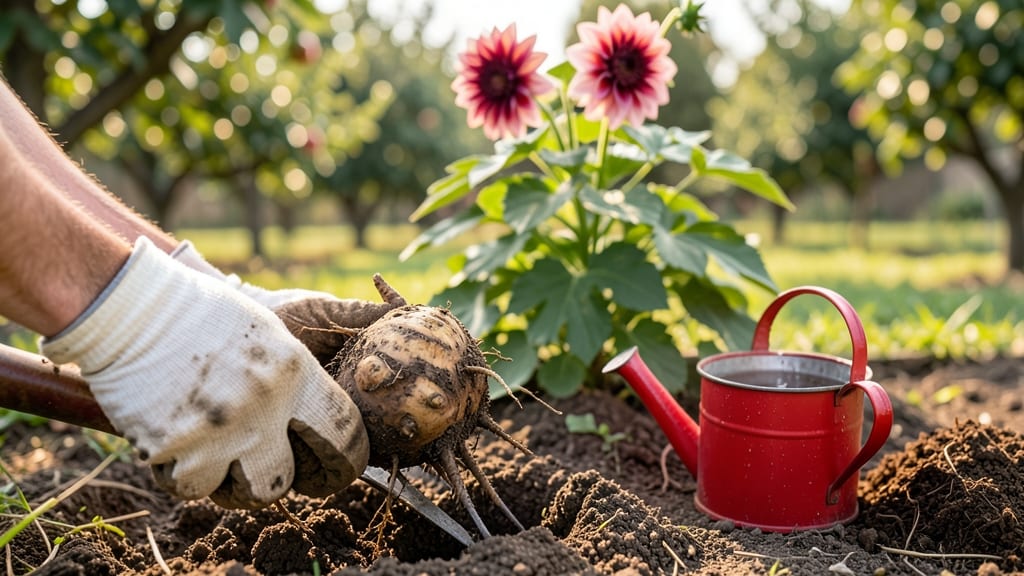
Planting dahlias in Zone 6 at the wrong time can turn your dream garden into a frost-damaged disappointment—but timing it just right means stunning blooms from late summer until frost. The key isn’t just waiting for spring; it’s understanding when your soil actually warms enough to support those delicate tubers.
Most gardeners in Zone 6a/6b make the mistake of planting too early, only to watch their dahlias 🌼 suffer from late-spring frosts. The ideal window opens after your last frost date (typically mid-April), but soil temperature is the real game-changer. Tubers need consistent warmth above 50°F before they’ll thrive.
In this guide, I’ll walk you through the exact steps to time your planting—whether you’re starting tubers indoors or planting directly in the ground. You’ll learn how to check soil temperature, adjust for your microclimate, and even troubleshoot common Zone 6 pitfalls that ruin blooms before they begin.
By the end, you’ll know exactly when to plant for zero-frost success, plus how to care for your dahlias once they’re in the ground. Let’s get those tubers in the soil at the perfect moment!
Zone 6 dahlia planting timeline: soil temperature rules for success
Zone 6 gardeners know timing is everything—especially for dahlias, which thrive when planted after the last frost but before summer heat sets in. The key to success? Soil temperature.
Dahlias need soil that’s warmed to 50°F for tubers and 60°F for transplants to avoid rot and ensure strong root growth. In Zone 6, this typically lands in mid-to-late May, but exact dates vary yearly.
Why soil temperature matters so much? Cold soil slows root development, making plants vulnerable to late-spring frosts or fungal diseases. A soil thermometer is your best friend—check temps at 6 inches deep, where the roots will grow.
If you’re pre-sprouting tubers indoors, aim for 65°F soil to encourage early growth before transplanting outdoors.
Here’s the science-backed rule: Wait until the ground is consistently 50°F+ for 5 days straight before planting tubers. For transplants, push that to 60°F+ to avoid shock. In Zone 6, this often aligns with after Mother’s Day, but don’t rely on the calendar—soil temperature trumps tradition every time.
| Stage | Soil Temp Requirement | Zone 6 Timeline | Action |
|---|---|---|---|
| Tuber Prep (Indoors) | 65°F+ | Late March-Early April | Plant tubers in pots, 2-3 inches deep |
| Outdoor Planting (Tubers) | 50°F+ (5 days) | Mid-May | Plant 4-6 inches deep, 12-18" apart |
| Outdoor Planting (Transplants) | 60°F+ (5 days) | Late May | Transplant with soil ball intact |
| First Blooms | N/A | July-August | Deadhead spent blooms for continuous flowers |
Pro tip: Use a soil thermometer to track temps daily. In my Zone 6b garden, soil hits 50°F around May 10th, but I’ve seen years where it takes until May 25th.
Always plant after the last frost date (usually mid-April in Zone 6), but don’t rush—cold soil will stall growth.
If you’re planting tubers directly outdoors, choose a spot with well-draining soil and add compost to warm it faster. For transplants, harden them off for 7-10 days before moving them outside. This gradual transition helps them adjust to Zone 6’s variable weather.
Watch for late-spring frosts, which can still hit Zone 6 in May. Use frost cloth if temps dip below 40°F after planting. I’ve lost entire batches of dahlias to surprise frosts, so I now monitor the National Weather Service and set up a frost alarm for extra protection.
Container gardeners, take note: Pots warm up faster than ground soil. Aim for 60°F+ before planting in containers, and use black pots to absorb more heat. I’ve had success planting container dahlias as early as late April in Zone 6, but only in sheltered spots.
Remember, dahlias are short-lived perennials in Zone 6—their tubers won’t survive winter unless dug up. But with the right planting timing, you’ll enjoy months of blooms from July through October. The effort is worth it for those showstopping flowers! 🌼
Zone 6 dahlia planting timeline: soil temperature rules for success
Zone 6 gardeners face a delicate balance between frost risk and soil warmth when planting dahlias. Unlike tropical plants, dahlias need consistent warmth to thrive—50°F soil for tubers and 60°F+ for active growth.
Planting too early means stunted growth or frost damage, while waiting too long cuts your blooming season short.
Your last frost date (typically mid-April in Zone 6) is just the starting point. Dahlias won’t tolerate even light frosts, so timing is everything.
Most gardeners in Zone 6 wait until late May to plant tubers directly, but pre-sprouting indoors in early April gives you a head start for earlier blooms.
🌱 Pro Tip: Use a soil thermometer to confirm 60°F+ soil before planting. Morning sunlight warms soil faster, so plant on sunny days for the best conditions.
| Stage | Action | Soil Temp | Zone 6 Timeline |
|---|---|---|---|
| Pre-Sprouting (Indoors) | Plant tubers in pots, 2-3 inches deep | N/A (Indoor) | Early April |
| Hardening Off | Acclimate to outdoor temps | N/A | Late April |
| Direct Planting (Outdoors) | Plant tubers 4-6" deep, 12-18" apart | 60°F+ | Late May - Early June |
| First Blooms | Expect blooms 8-10 weeks after planting | 70°F+ | July-August |
If you’re planting tubers directly (no pre-sprouting), aim for after Memorial Day in Zone 6. This gives your dahlias 100+ frost-free days to grow and bloom. Urban gardeners may need to wait longer due to heat islands delaying soil warming.
For container dahlias, use larger pots (12"+ diameter) and plant when nighttime temps stay above 55°F. Containers warm faster but also dry out quicker, so monitor soil moisture closely. Mulch with straw or shredded leaves to retain heat and moisture.
Remember: Dahlias hate cold feet. Even a single frost can kill emerging shoots. Use row covers if early planting is tempting, but soil temperature is the real game-changer for success. 🌼