
Plants
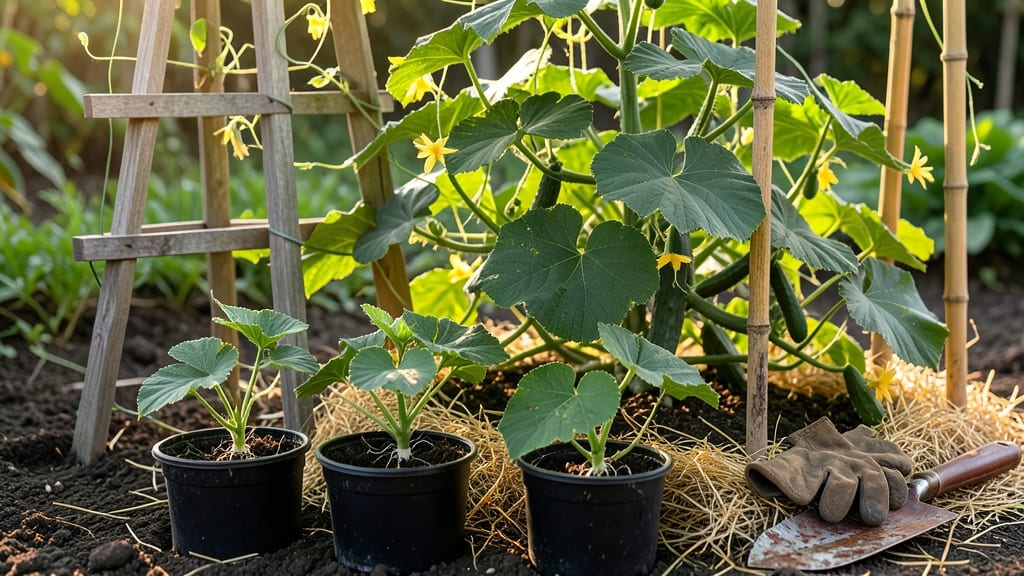
Planting cucumbers 🥒 at the wrong time in North Carolina can turn your garden dreams into bitter disappointment—soft, seedy fruit or vines that bolt before producing.
The key isn’t just waiting for spring; it’s knowing your exact last frost date and matching it to your region’s microclimate, whether you’re in the Piedmont’s rolling hills or the Coastal Plain’s humid lowlands.
Most gardeners in zones 7a-8b should aim to plant after April 15, but the real secret lies in soil temperature.
Cucumbers need 60°F+ soil to germinate, and waiting until two weeks after your average last frost (usually late March to early April) gives those seeds the warm start they crave.
Here’s what I’ll cover: the precise planting windows for your specific corner of the state, how to extend your season with row covers, and the three biggest mistakes that wreck cucumber yields—plus how to avoid them. Let’s get those vines growing strong and your harvest table overflowing.
Ready to turn your garden into a cucumber powerhouse? The timing is everything, and I’ve got the exact schedule to make it happen—no guesswork, just results.
North Carolina cucumber planting schedule by region: exact weeks before last frost
North Carolina’s diverse climate zones—from the Coastal Plain to the Mountains—create wildly different planting windows for cucumbers. Timing is critical: plant too early, and frost will kill tender seedlings; wait too long, and you’ll miss the 90-day harvest window before fall’s first frost.
Let’s break down the exact weeks before your region’s last frost to ensure peak yield and sweet cucumbers.
First, check your last frost date using the NC State Extension’s frost map. Most of NC experiences frost between late March and early April, but the Mountains (Zone 7a) average 2-3 weeks later than the Coastal Plain (Zone 8a/b).
Cucumbers need soil temps of 60°F+ to germinate, so wait until 2 weeks after your last frost date.
Here’s your region-specific planting schedule, including soil prep tips and ideal varieties for each zone. Direct sowing is best for cucumbers—they hate transplanting—but we’ll cover starter options for early begins.
| Region | Last Frost Date | Planting Window | Soil Temp Requirement | Best Varieties |
|---|---|---|---|---|
| Coastal Plain (Zone 8a/b) | March 15–April 1 | April 15–May 1 (direct sow) | 60°F+ (use black plastic mulch) | ‘Straight Eight,’ ‘Marketmore’ |
| Piedmont (Zone 7b) | March 25–April 10 | April 25–May 15 (direct sow) | 60°F+ (wait for night temps 55°F+) | ‘Lemon Cucumber,’ ‘Armenian’ |
| Mountains (Zone 7a) | April 1–April 15 | May 1–May 15 (direct sow) | 65°F+ (longer to warm) | ‘Bush Champion,’ ‘Suyo Long’ |
🌱 Pro Tip: Use a soil thermometer to confirm temps before planting.
For Coastal NC gardeners, you’ve got the earliest window—start seeds indoors by March 1 for a head start, or direct sow by April 15. The Piedmont’s longer frost-free season lets you plant 2 weeks later but also extends harvests into October.
Meanwhile, Mountain growers should focus on heat-tolerant varieties like ‘Suyo Long’ to handle shorter summers.
No matter your zone, succession planting is key. Sow new seeds every 2 weeks until June 15 to stagger harvests and avoid glutting your kitchen. Black plastic mulch warms soil faster and suppresses weeds—critical for fast-growing cucumbers that need to hit 60°F soil ASAP.
Watch for soil moisture after planting. Cucumbers need 1–2 inches of water weekly, but overwatering can lead to fungal issues like powdery mildew. Drip irrigation or soaker hoses keep foliage dry, which is especially important in NC’s humid summers.
Pair this with morning watering to let leaves dry before evening humidity peaks.
If you’re starting seeds indoors (recommended for early Coastal Plain starts), begin 3–4 weeks before your outdoor planting date.
Use biodegradable pots to avoid transplant shock, and harden off seedlings by gradually exposing them to outdoor temps for 7–10 days before transplanting. Seedling trays should stay in a warm spot (70°F+) with grow lights until soil temps align.
One common mistake in NC is planting cucumbers too close to winter squash or melons, which share diseases like cucumber mosaic virus. Rotate crops annually and avoid planting cucurbits in the same spot every 3 years.
Also, trellis your vines—this improves airflow, reduces disease, and makes harvesting easier. Use 5–6 ft tall trellises for standard varieties.
For late-season harvests, consider row covers to extend your growing window into early October. These lightweight fabrics protect plants from light frosts (28°F) and pests like cucumber beetles. Just remove covers during
How to extend your cucumber growing season in North Carolina: cold frames, row covers, and succession planting
North Carolina’s short growing season in cooler regions and humid summers can challenge cucumber lovers—but with the right techniques, you can enjoy fresh homegrown cucumbers from early spring to late fall.
The key lies in season extension methods like cold frames, row covers, and succession planting, which let you push harvests earlier and later than the typical June–October window.
For gardeners in the Mountains (USDA Zone 6-7), where frost lingers until May 15–June 1, cold frames can jumpstart your season by 3–4 weeks.
In the Piedmont (Zone 7-8), row covers shield young plants from late spring frosts (common until April 15 in some areas), while succession planting ensures a steady supply through September.
Even in the Coastal Plain (Zone 8a), where winters are milder, these methods help avoid heat stress in July–August.
📌 Visual Guide: Season Extension Timeline
Step-by-Step Season Extension for Cucumbers
- Early Start (Feb–March): Use cold frames or high tunnels to sow seeds 4–6 weeks before last frost. Soil temps must reach 60°F+ for germination.
- Frost Protection (April): Apply floating row covers after seedlings emerge to shield from 28°F+ frosts. Remove during pollination (when flowers appear).
- Succession Planting (May–July): Sow new seeds every 2–3 weeks until July 15 to stagger harvests. Use black plastic mulch to warm soil for faster growth.
- Late-Season Shield (Aug–Oct): Reapply row covers in late August to protect from early fall frosts (common after October 1). Choose heat-tolerant varieties like 'Straight Eight' or 'Marketmore'.
🌱 Pro Tip: Combine row covers with drip irrigation to maintain moisture without overheating plants.
One of my favorite tricks is using low tunnels (hoop houses covered with agricultural fabric) to create a microclimate that’s 5–10°F warmer than ambient temps. These work wonders in the Piedmont, where nights can still dip into the 40s°F in May.
For Coastal gardeners, focus on shade cloth during peak summer (July–August) to prevent heat stress, which causes bitter fruit.
Don’t overlook succession planting—this is how I’ve doubled my cucumber harvest in past years. Plant your first batch 2–3 weeks after your last frost date, then follow up with weekly sowings until mid-July.
Choose fast-maturing varieties (like 'Bush Champion' or 'Sweet Success') for shorter cycles. In Zone 8a, you can even squeeze in a fall crop by planting September 1–15 and using row covers until harvest.
Watch for pests and diseases when extending seasons. Row covers can trap humidity, increasing the risk of powdery mildew, so ventilate daily by lifting covers for 1–2 hours.
Also, rotate planting sites annually to prevent soil-borne diseases like cucumber mosaic virus. For organic control, spray plants with a neem oil mixture every 10–14 days during season extension.
For those in Zone 6–7, consider overwintering tender varieties in containers and moving them to a sunroom or greenhouse before the first frost. With the right setup, you can enjoy homegrown cucumbers year-round—though flavor may be slightly less intense in winter.
The key is consistent warmth (keep soil temps above 55°F) and bright light (supplement with grow lights if needed).
Start small with one or two techniques, then expand as you gain confidence. My first year using row covers, I extended my harvest by 6 weeks—and the sweet, crisp cucumbers in September were worth every effort.
With these methods, you’ll turn North Carolina’s variable climate into a cucumber-growing powerhouse. 🌿