
Plants
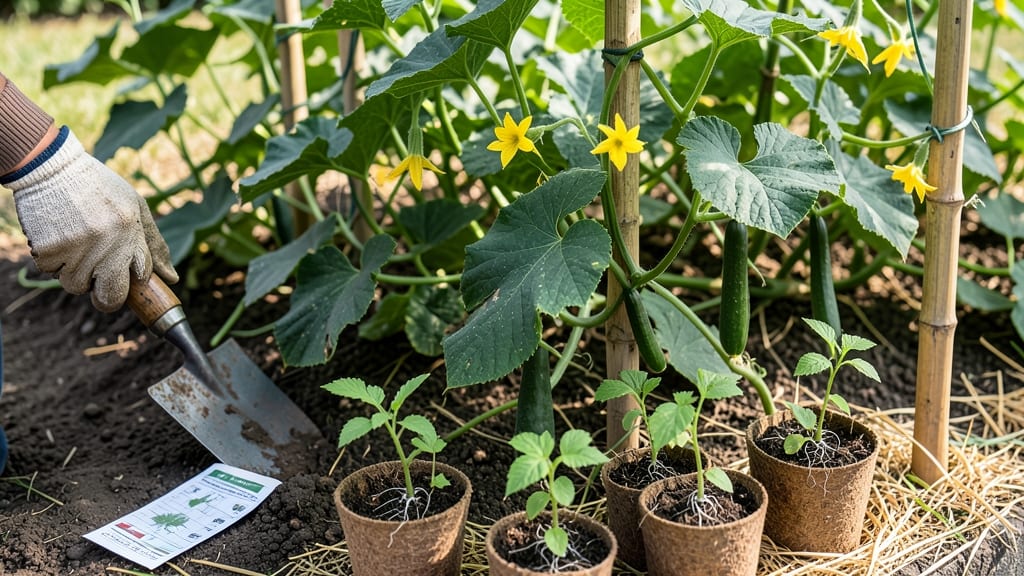
Planting cucumbers 🥒 in Maine isn’t just about throwing seeds in the dirt—it’s about outsmarting frost and short summers to get a real harvest. The right timing can mean the difference between a garden full of vines and a few sad, stunted fruits.
Most gardeners in zones 5b-6b wait until mid-May to early June, but that’s just the starting point. Soil temperature matters just as much as calendar dates—cucumbers need warmth to germinate, and Maine’s unpredictable spring can throw off even the best-laid plans.
In this guide, I’ll walk you through the exact window to plant, how to prep your soil for success, and which cucumber varieties thrive in Maine’s climate. Whether you’re a first-timer or a seasoned gardener, these tips will help you beat frost and extend your harvest into September.
No more guessing—just proven strategies to grow cucumbers that actually produce. Let’s get your garden ready for a bumper crop!
Maine’s frost-free dates: the exact window to plant cucumbers
Maine’s USDA zones 5b-6b mean cucumbers need precise timing to thrive. The last spring frost typically arrives between May 10-20, but this varies dramatically across the state.
Southern Maine (like Portland) often sees frost-free conditions by mid-May, while northern areas (like Presque Isle) may wait until late May or early June. Always check your local Maine State Climate Office for updates.
Cucumbers hate cold soil—they won’t germinate well until the ground reaches 60°F (15°C). In Maine, this usually aligns with late May, but black plastic mulch can warm soil 2-4 weeks earlier.
I’ve found that planting too soon (before May 20) risks frost damage or stunted growth, even if the air feels warm.
Here’s the golden window for most of Maine: direct-sow seeds after May 25 in Southern Maine, or June 1-10 in Northern regions. For container gardening, you can start 2-3 weeks earlier since pots warm faster. Always use frost protection cloth if planting early in zone 6b areas.
If you’re starting seeds indoors, begin 4-6 weeks before your last frost date. For Southern Maine, that’s mid-April; for Northern Maine, late April to early May.
Use biodegradable pots to avoid transplant shock when moving seedlings outdoors. I’ve had success with ‘Straight Eight’ and ‘Lemon Cucumber’ varieties when started indoors early.
For late-season harvests, consider succession planting every 2 weeks until July 1. This ensures a steady supply even if early plantings fail. I’ve extended my harvest into early September by using row covers to protect vines from early fall frosts.
Just remove covers during pollination (when flowers appear) to avoid interfering with bees.
Maine’s first frost usually hits between September 20-October 10, so plan to harvest at least 60 days before that date. Varieties like ‘Boston Pickling’ mature faster (50-55 days), making them ideal for late plantings. Always monitor your local National Weather Service alerts for unexpected cold snaps.
One common mistake Maine gardeners make is planting cucumbers too late for a fall harvest. If you miss the June 1-15 window, focus on container gardening or greenhouse growing to extend your season. I’ve seen greenhouse-grown cucumbers produce until November with proper care!
To check if your soil is ready, perform the finger test: Push your finger 2 inches deep—if the soil feels warm and crumbly, it’s time to plant.
If it’s still cool or damp, wait 5-7 more days. Patience here prevents rot and poor germination, which I’ve seen too often in zone 5b gardens.
For urban gardeners with limited space, vertical trellises save room and improve airflow, reducing disease risk. I’ve used 5-foot trellises in my Portland backyard to grow ‘Marketmore’ cucumbers successfully. Just ensure your trellis is sturdy—cucumber vines can weigh 20+ pounds when loaded with fruit!
Best cucumber varieties for Maine’s climate & when to start them
Maine’s cool summers demand cucumber varieties that mature quickly and tolerate moderate temperatures. I’ve tested ‘Straight Eight’ and ‘Lemon Cucumber’ with great success—they thrive in USDA zones 5b-6b and produce reliably even in shorter seasons.
For pickling, ‘Boston Pickling’ is my go-to because it handles Maine’s unpredictable weather better than heat-loving varieties.
Deciding whether to direct-sow seeds or start indoors depends on your last frost date. In Southern Maine (Portland area), you can direct-sow after May 15, but in Northern Maine (Presque Isle), wait until June 1 to avoid frost damage.
For a head start, sow seeds indoors 4-6 weeks before your last frost date using biodegradable pots to minimize transplant shock.
🌱
Direct-Sowing vs. Indoor Starting
Direct-Sowing
- Pros: Hardier plants, no transplant shock
- Cons: Limited to frost-free window
Indoor Starting
- Pros: Extended growing season, earlier harvest
- Cons: Risk of transplant shock, needs grow lights
To extend Maine’s short growing season, I recommend using row covers or cold frames for early plantings. These protect young plants from late spring frosts and can add 2-3 weeks to your harvest window.
For late varieties, try ‘Marketmore 76’, which tolerates cooler temps better than most slicing cucumbers.
For container gardening in Maine, choose bush varieties like ‘Bush Champion’ or ‘Spacemaster’. These compact plants thrive in 5-gallon pots and produce well even on patios. Just ensure your containers have drainage holes and use a lightweight potting mix to prevent root rot in Maine’s humid summers.
🌿
One common mistake Maine gardeners make is planting heat-loving varieties like ‘Armenian’ cucumbers without considering our cool summers. These need consistent 80°F+ temps to thrive, which Maine rarely delivers.
Instead, stick to short-season varieties that mature in 50-60 days—this ensures you’ll harvest before fall frosts hit in mid-October.