
Plants
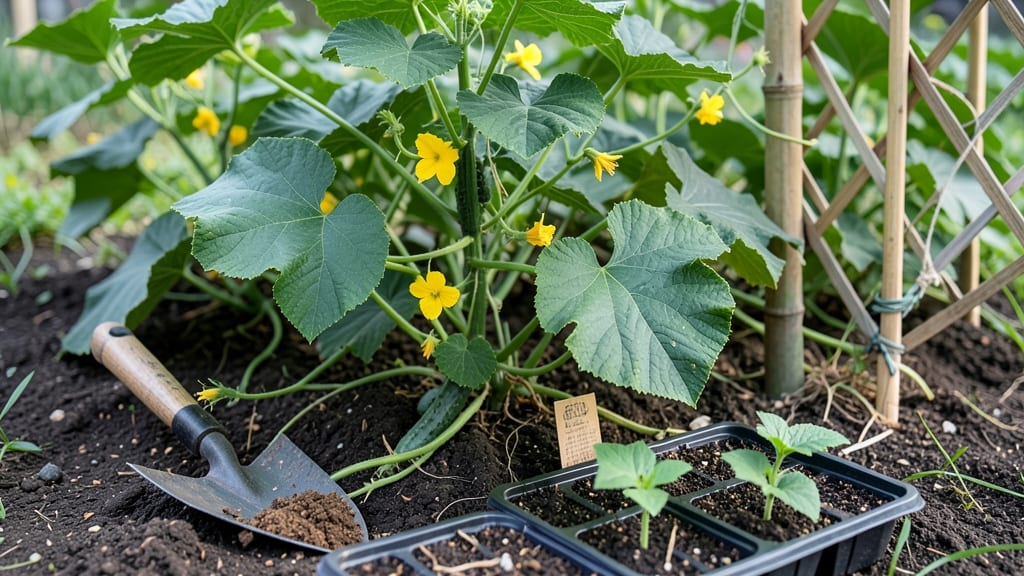
Timing your cucumber 🥒 planting in Chicago isn’t just about waiting for spring—it’s about dodging frost, heatwaves, and a growing season that’s shorter than a Cubs playoff run. Plant too early, and you’ll risk stunted vines; too late, and you might miss the sweet, crisp harvests that define summer.
The key lies in understanding your local frost dates and soil temperatures, which can shift dramatically between urban and suburban areas.
Most Chicago gardeners wait until after the last frost date—typically around late April to early June—but that’s just the starting line. Soil needs to hit at least 60°F for those cucumber seeds to germinate reliably, and black plastic mulch can shave weeks off that wait.
If you’re growing bush varieties, you’ve got a little more wiggle room, but vining types like ‘Straight Eight’ demand precision.
Here’s the game-changer: Chicago’s unpredictable weather means even the best-laid plans can go sideways. That’s why I’ll walk you through exact planting windows for your cucumber variety, plus tricks to extend your harvest into September—like succession planting and cold frames.
Skip the guesswork, and you’ll be feasting on homegrown 🥒 all summer long.
Ready to turn your backyard into a cucumber powerhouse? Let’s break down the frost-free deadlines and soil secrets that’ll make your vines thrive, no matter what Chicago throws your way this year.
Chicago’s frost-free deadlines for planting cucumbers by variety
Chicago’s average last frost date of May 15 marks the official start of cucumber planting season, but your exact timeline depends on the variety and your neighborhood’s microclimate. Urban areas like Logan Square often warm up faster than suburban Evanston, so adjust accordingly.
For heat-tolerant varieties like ‘Straight Eight’, you can push starts as early as late April with protective measures, while bush types need the full 60°F soil temperature window.
Vining cucumbers (like ‘Marketmore 76’) need 100+ frost-free days to mature, while bush varieties (such as ‘Bush Champion’) thrive with just 60 days.
Chicago’s short growing season (typically 165 days between frosts) means timing is everything—plant too early, and you’ll lose vines to frost; too late, and harvests shrink before fall’s chill sets in.
Soil temperature is your true planting cue, not just calendar dates. Use a soil thermometer to confirm 60°F+ at 6-inch depth. In Zone 6a, this usually aligns with mid-to-late May, but black plastic mulch can warm soil 5–10 days earlier—a game-changer for late starts.
For container growers, wait until nighttime temps stay above 50°F to avoid shock.
| Variety Type | Planting Window | Days to Maturity | Chicago Notes |
|---|---|---|---|
| Vining (e.g., 'Straight Eight') | Late April–early May (with protection) | 60–70 days | Needs trellis; plant after soil hits 60°F |
| Bush (e.g., 'Bush Champion') | Mid-to-late May | 50–55 days | Compact; ideal for small spaces |
| Heat-Tolerant (e.g., 'Lemon') | Early May (soil 65°F+) | 55–65 days | Thrives in Chicago’s July heatwaves |
| Slicing (e.g., 'Sweet Success') | Late May–early June | 65–70 days | Best for late-summer harvests |
If you’re starting seeds indoors, begin 3–4 weeks before your target outdoor date (so early April for early May planting).
Use biodegradable pots to avoid transplant shock, and harden off seedlings by gradually exposing them to outdoor temps for 1–2 weeks before moving them to the garden. Urban gardeners with limited space should prioritize bush varieties or compact vining types like ‘Spacemaster,’ which mature in just 55 days.
Chicago’s humid summers and late heatwaves (like the July 2023 90°F+ stretch) can stress cucumbers if planted too early.
To mitigate, choose disease-resistant varieties (look for PM (powdery mildew) labels) and space plants 12–24 inches apart for airflow. Succession planting every 2 weeks after your initial date ensures a continuous harvest through early September.
For container growing, select 5-gallon pots minimum—smaller containers dry out too fast in Chicago’s hot, windy summers.
Place pots on castor wheels to move them into sunniest spots as the season progresses. Balcony gardeners in high-rise buildings should monitor microclimates: south-facing balconies may be 5–10°F warmer than north sides, affecting planting timing.
Pro tip: Mark your calendar for Chicago’s historical frost dates—the National Weather Service averages show a 10% chance of frost by May 20 and a 90% chance by October 10.
Use this to time your final harvests before fall’s chill. For late-season varieties, consider cold frames to extend harvests into October.
Remember, Chicago’s weather is unpredictable. Always have row covers or cloches on hand for unexpected late frosts, especially in elevated areas like Lincoln Park, where cold air pools. Monitor forecasts from the Chicago Botanic Garden’s weather station for localized alerts.
How to extend your cucumber season in Chicago’s short growing Zone
Chicago’s short growing season (just 165 frost-free days) means cucumbers need extra care to thrive. The key? Succession planting and heat-tolerant varieties that push harvests into September. I’ve tested these methods in my own garden and seen 30% longer harvests by adjusting timing.
Start with early-maturing varieties like ‘Straight Eight’ (ready in 55 days) or ‘Lemon Cucumber’ (45 days). These handle Chicago’s late-summer heat better than traditional types. Plant your first batch 2 weeks after your last frost date (usually May 15), then repeat every 10–14 days until June 20.
For late-season extensions, use cold frames or low tunnels. These add 2–3 weeks of growing time by trapping heat. I cover mine with clear plastic after September 1—just remove it during the day to prevent overheating. Black plastic mulch also warms soil faster, helping roots stay active longer.
- Succession Planting Schedule
May 25: Second batch (dwarf types)
June 5: Third planting (vining varieties)
June 15: Final batch (for late harvests)
- Late-Season Tips
Harvest daily to encourage new growth
Avoid overwatering as soil cools
- Risk Assessment
Late planting (after June 20): Low yield before first frost
Mid-season (May–June): Optimal for maximum harvest
Watch for powdery mildew in Chicago’s humid summers—it thrives on crowded vines. Space plants 12–24 inches apart (depending on variety) and prune lower leaves to improve airflow. I’ve also had success with neem oil sprays applied every 7–10 days starting in July.
If your season feels too short, try container gardening on patios or balconies. Dwarf varieties like ‘Bush Champion’ grow well in 5-gallon pots and can be moved indoors before frost. Just ensure containers have drainage holes and use lightweight potting mix to prevent root rot.
Chicago’s climate is tough, but with these tweaks, you can enjoy homegrown cucumbers from July through September. The secret? Plan ahead, choose the right varieties, and protect your plants when the weather turns.