
Plants
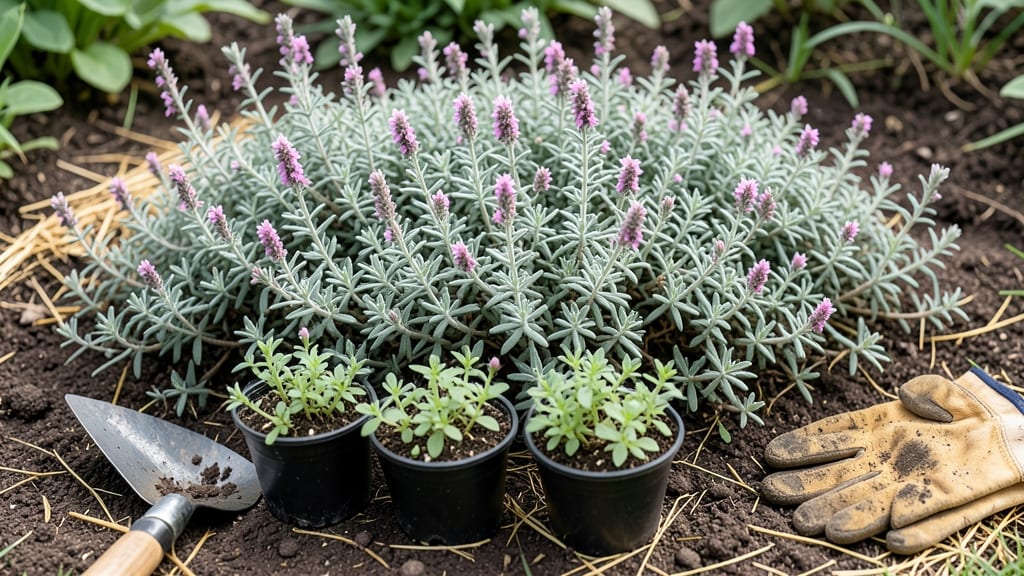
Planting creeping thyme in Colorado at the wrong time can leave your garden sparse and struggling—but get the timing right, and you’ll unlock a perennial ground cover that thrives year after year with minimal fuss.
This hardy herb loves the Rocky Mountain climate, but its success hinges on planting during Colorado’s two ideal windows: early spring or early fall.
Most Colorado gardeners in USDA Zones 5-8 can start planting creeping thyme 🌿 as soon as the soil warms to 50°F in late April or early May. For those in higher elevations, like Boulder or the Front Range, wait until mid-May to avoid late frosts that can damage tender roots.
The key is giving your thyme enough time to establish before winter sets in.
If you prefer fall planting, aim for late September to early October—just before the first frost. This timing lets creeping thyme develop strong roots before Colorado’s cold snaps arrive, ensuring it survives the winter without extra protection.
Unlike many herbs, creeping thyme is frost-resistant once established, making it a low-maintenance choice for busy gardeners.
Ready to transform your garden into a fragrant, drought-tolerant carpet? I’ll walk you through the exact steps to prepare your soil, choose the best varieties for Colorado’s climate, and keep your creeping thyme thriving—no matter what the Rockies throw at it.
Colorado’s optimal planting windows for creeping thyme by USDA Zone
Colorado’s diverse USDA Zones 3-7 mean creeping thyme’s planting window varies dramatically from Denver’s urban heat to high-altitude Boulder.
The key is planting when soil warms to 50°F (10°C), typically after the last frost date—usually mid-April to late May—or in early fall (September-October) to let roots establish before winter. High-altitude gardens (Zone 4-5) have a shorter window, while lower elevations (Zone 6-7) can plant slightly earlier.
For Zone 3-4 gardens (e.g., Steamboat Springs), aim for late May planting to avoid late frosts that can damage young plants. In Zone 5-6 (Denver, Fort Collins), April 15-May 15 is ideal, while Zone 7 (Colorado Springs, Pueblo) can start as early as March 15 in microclimates.
Fall planting works best in Zone 6-7, with September 1-October 15 as the sweet spot.
🌱
| USDA Zone | Spring Planting Window | Fall Planting Window | Soil Temp Requirement | Elevation Adjustment |
|---|---|---|---|---|
| Zone 3-4 (e.g., Steamboat) | Late May - Early June | Not recommended | 55°F+ (13°C) | Delay 2-3 weeks for >7,000ft |
| Zone 5-6 (e.g., Denver) | April 15 - May 15 | September 1 - October 15 | 50°F+ (10°C) | Adjust 1 week per 1,000ft elevation |
| Zone 7 (e.g., Colorado Springs) | March 15 - April 30 | September 15 - October 31 | 45°F+ (7°C) | Early planting for low desert areas |
⚠️ Pro Tip: Use a soil thermometer to confirm readiness—creeping thyme roots struggle in cold soil.
In high-altitude gardens (above 7,000ft), extend your planting window by 2-3 weeks to account for cooler soil temperatures. For example, in Boulder (Zone 5), wait until May 1 for spring planting, while Fort Collins (Zone 4) gardeners should delay until late May.
Container growers in Denver balconies can plant 2 weeks earlier since pots warm faster.
Fall planting in Colorado offers a second chance for gardeners who miss spring. In Zone 6-7, aim for September 1-October 15 to give roots time to establish before first frost (mid-October).
Avoid planting after October 1 in Zone 5 or later, as young plants won’t harden off in time. Mulch heavily with 2-3 inches of straw to insulate roots during winter.
🌿
For urban Denver gardens, leverage microclimates—south-facing walls or paved surfaces can create 5-10°F warmer soil, allowing earlier planting. Test soil moisture weekly after planting; creeping thyme’s drought tolerance kicks in after 4-6 weeks of root establishment.
If your area experiences unpredictable late frosts (common in Zone 5-6), use frost cloth for the first 2 weeks post-planting.
💧
Remember: creeping thyme is perennial in Colorado, but first-year survival depends on proper timing. Planting too early risks
How to prepare creeping thyme for Colorado’s harsh winters: pre-planting checklist
Colorado’s dry, alkaline soils and freezing winters can stress creeping thyme if you don’t prep it right. The key to success? Well-draining soil, proper hardening, and choosing the right planting method for your elevation.
Whether you’re in Denver’s Zone 5 or the high-altitude Zone 3 of the Rockies, these steps will ensure your thyme survives—and thrives—through winter.
Start by testing your soil’s drainage and pH. Creeping thyme hates soggy roots, so amend heavy clay with sand or grit to improve aeration. Aim for a pH between 6.0 and 7.5—Colorado’s native soils often skew alkaline, so a lime application might be needed to balance it.
If you’re unsure, grab a soil test kit from your local garden center for precise adjustments.
🌱 Pros & Cons: Container vs. In-Ground Planting for Colorado
- ✅ Better insulation from winter temps
- ✅ Lower maintenance long-term
- ✅ Spreads naturally to fill gaps
- ✅ Easier to move for sun/shade
- ✅ Better drainage control in heavy soils
- ✅ Protect from late frosts by moving indoors
In-Ground: Poor drainage risks root rot
Containers: Dries out faster; needs winter mulch
For high-altitude gardens (above 7,000 feet), opt for container planting with insulated pots. Wrap containers in bubble wrap or straw before the first frost to protect roots. If planting in-ground, choose south-facing slopes where snow melts faster in spring, giving thyme an earlier start.
Avoid low-lying areas where cold air pools—this can delay growth and increase frost damage risk.
Hardening off seedlings is non-negotiable in Colorado. If you’re starting with nursery-grown plants, acclimate them to outdoor conditions over 7-10 days before planting. Begin by placing them in a shady, sheltered spot for a few hours daily, gradually increasing exposure to sun and wind.
Skip this step, and your thyme may bolt or wilt when exposed to sudden temperature swings.
Mulching is your best friend in Colorado’s winter freeze-thaw cycles. Apply a 2-3 inch layer of straw or pine needles around plants after the first frost. This insulates roots, prevents soil heaving, and retains moisture during dry winter winds.
Avoid using wood chips, which can compact and trap moisture, leading to rot. In Zone 4 or colder, add a lightweight row cover for extra protection during extreme cold snaps.
Finally, choose frost-resistant varieties like Thymus serpyllum ‘Coccineus’ or T. praecox ‘Elfin’. These cultivars handle Colorado’s sub-zero temps with ease, while regular thyme may struggle in higher elevations.
Plant them 6-12 inches apart to allow airflow, reducing the risk of fungal diseases like powdery mildew—a common issue in Colorado’s humid summers.