
Plants
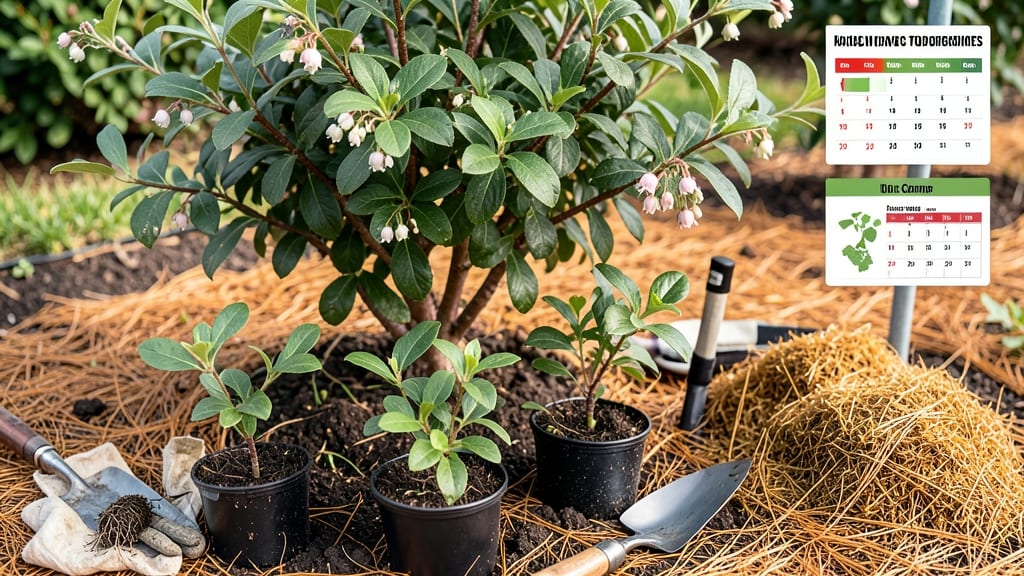
Planting blueberries in Colorado isn’t just about waiting for spring—it’s about timing it perfectly to beat the late frosts that can wipe out your saplings before they even take root.
With elevation zones ranging from 2,500 to 10,000 feet, the right window varies wildly, and getting it wrong means years of frustration instead of a bountiful harvest of sweet 🫐 berries.
I’ve seen gardeners in Denver rush to plant too early, only to watch their bushes succumb to surprise frost, while others in Grand Junction wait too long and struggle with weak root systems. The key?
Understanding your microclimate and planting between late April and early June, once the soil warms to 40–50°F and the last frost has passed—usually mid-April to early May, depending on your elevation.
Whether you’re working with bare-root plants or container-grown bushes, this guide will help you navigate Colorado’s unpredictable growing season. We’ll cover soil prep, frost-proofing tips, and even how to adjust for the Western Slope’s drier climate or the Front Range’s cooler springs. Let’s get those blueberries thriving—without the guesswork.
By the end, you’ll know exactly when to dig in your region, how to protect young plants from late frosts, and why some varieties like 'Patriot' outperform others in high-altitude gardens. Ready to turn your backyard into a blueberry patch? Let’s make it happen.
Optimal blueberry planting dates in Colorado by elevation zone
Colorado’s elevation zones create dramatic differences in planting windows—what works in Denver (5,280 ft) fails in Aspen (7,800 ft). Blueberries thrive when planted after soil temperatures hit 40–50°F and last frost dates have passed.
In lowland areas like Colorado Springs (6,035 ft), this often means late March to early April, while high-altitude gardens near Leadville (10,152 ft) may wait until mid-June. Understanding your microclimate is key to avoiding frost damage or stunted growth.
Most Colorado gardeners focus on USDA Zones 5–7, but even within these zones, elevation shifts planting deadlines by weeks or months. For example, Boulder’s Front Range (5,430 ft) typically plants in mid-April, while Durango’s Western Slope (6,512 ft) waits until late May.
Below, I’ve broken down the best planting windows for Colorado’s three major regions, including soil prep tips to ensure success.
🌱 Pro Tip: Use your local CoCoRaHS station or Colorado State University Extension frost maps to pinpoint your exact last-frost date. Even a 100-foot elevation gain can delay frost by 2–3 weeks.
Blueberry Planting Deadlines by Colorado Elevation Zone
| Zone | Elevation (ft) | Last Frost Date | Planting Window | Soil Temp Threshold | Best Varieties |
|---|---|---|---|---|---|
| Front Range | 2,500–6,500 | Mid-April to Early May | Late April–Early June | 45–50°F | Bluecrop, Jersey |
| Western Slope | 4,500–7,500 | Late May–Early June | Early June–Mid-July | 40–45°F | Patriot, Legacy |
| Mountain Regions | 7,500–10,000+ | Mid-June–July | Late June–Early August | 38–42°F | Top Hat, Sunshine Blue |
🌡️ Note: Use a soil thermometer to confirm readiness—cool mountain soils may need 2–3 weeks longer to warm.
If you’re planting in container gardens (ideal for high-altitude areas), you can extend your window by 4–6 weeks. Containers warm up faster and let you move plants to sheltered microclimates during late frosts.
For example, Denver gardeners can start potted blueberries indoors in March and transplant after Memorial Day, while Grand Junction gardeners should wait until mid-April to avoid cold snaps.
Colorado’s alkaline soils (common in the Plains and Front Range) are a hidden challenge—blueberries need acidic soil (pH 4.5–5.5).
Before planting, amend your soil with peat moss or sulfur to lower pH. In high-elevation gardens, organic matter like composted pine needles works best, as they naturally acidify over time. Test your soil 4–6 weeks before planting to allow time for adjustments.
For bare-root plants (cheaper and hardier), plant as soon as soil is workable—typically 2–3 weeks before the ideal window.
Soak roots in water mixed with mycorrhizal fungi for 1–2 hours before planting to reduce transplant shock. Container-grown plants, on the other hand, can handle a later transplant (up to mid-July in lowland areas) but need consistent moisture during establishment.
⚠️ Warning: Avoid planting blueberries in July or August, even in high-altitude areas. New roots won’t have time to establish before first frost (typically mid-October in the mountains). This leads to weakened plants and poor fruit production the following year.
In southern Colorado (e.g., Pueblo, Alamosa), where winters are milder, you can push planting to early October for bare-root
How to adjust planting timing for Colorado’s unpredictable weather
Colorado’s weather can shift from freezing overnight to 90°F heatwaves in a single week—making blueberry planting a delicate balancing act.
If you’re in the Front Range, aim for late April to early May after the last frost, but high-altitude gardeners (like those in Boulder County) should wait until mid-May when soil temps hit 50°F. The key?
Monitor your local microclimate—a sheltered valley might be ready weeks before an exposed mountain slope.
For Western Slope regions (e.g., Grand Junction), you can plant as early as March if your soil is well-draining and warm. But if you’re in Denver or Colorado Springs, don’t rush—waiting until mid-May reduces frost risk.
Use a soil thermometer to confirm temps are stable above 40°F at a 4-inch depth. This simple tool can save your saplings from root rot or frost damage.
🌱
Pros & Cons of Planting Early vs. Late in Colorado
Planting Early (March-April)
- ✅ Faster establishment – Longer growing season
- ✅ Better root development – More time to harden off
- ❌ Frost risk – Late frosts can kill young plants
- ❌ Soil too cold – Roots struggle to absorb water
Planting Late (May-June)
- ✅ Lower frost risk – Safer for high-altitude areas
- ✅ Warmer soil – Faster root growth
- ❌ Shorter growing season – Smaller first-year harvest
- ❌ Less time to establish – Vulnerable to winter kill
If you’re gardening in high-altitude zones (7,000+ ft), consider container gardening—it lets you move pots to sheltered spots during cold snaps. Use black plastic pots (they absorb heat) and fill them with a 50/50 mix of peat moss and pine bark to mimic acidic forest soil.
For in-ground plantings, mulch heavily with pine needles or wood chips to insulate roots and retain moisture during Colorado’s dry spells.
Choose cold-hardy varieties like 'Patriot' (USDA Zone 4) or 'Bluecrop' (Zone 4-6) to hedge your bets. These varieties tolerate -20°F temps and produce fruit even in shorter growing seasons. Avoid southern varieties like 'Rabbiteye', which struggle in Colorado’s chilly nights.
Always check the chilling hour requirements—most blueberries need 500-1,000 hours below 45°F annually, and Colorado easily meets this.
For bare-root plants, plant in early fall (September) instead of spring—this gives roots time to establish before winter. Dig a wide, shallow hole (twice as wide as the root ball but no deeper), soak the roots for 2 hours before planting, and backfill with acidic compost.
Water deeply afterward to eliminate air pockets. This method is especially effective in dry climates like the Western Slope, where spring rains are unreliable.
💧 Always pair planting with a drip irrigation system—Colorado’s windy conditions can dry out soil quickly. Stake young plants if you’re in an open prairie area (like Eastern Plains) to prevent toppling during high winds.
With these adjustments, you’ll give your blueberries the best shot at thriving despite Colorado’s unpredictable weather.