
Flowers
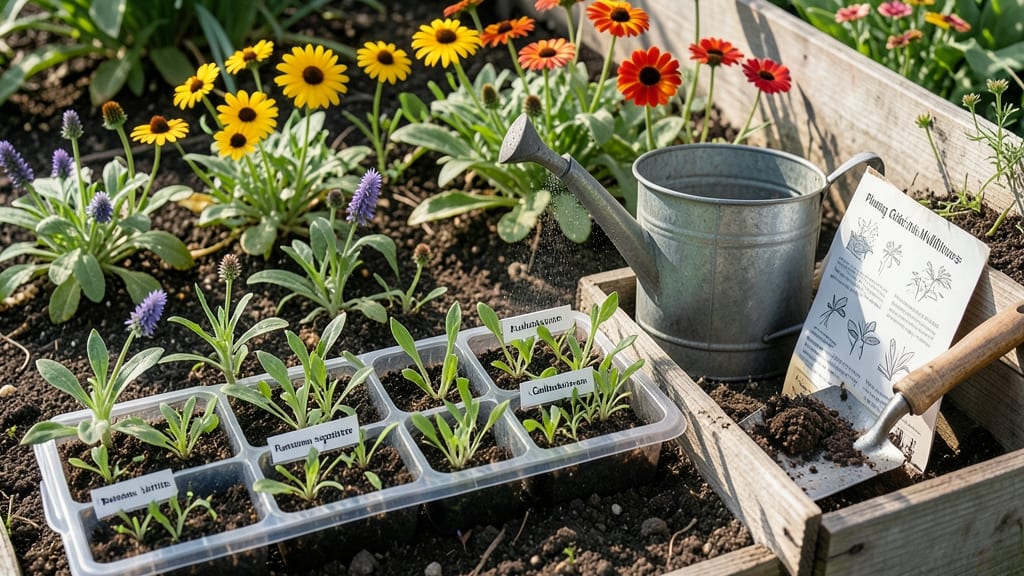
Timing your flower planting in Colorado can feel like solving a puzzle—one wrong move, and frost zaps your blooms before they even peek above the soil. With elevations ranging from desert lowlands to alpine meadows, your USDA Zones 5-7 garden has two distinct planting seasons, each with its own rules.
Most gardeners know spring is the prime time to plant 🌸 flowers, but did you realize fall offers just as many opportunities?
The key lies in understanding your elevation—lower areas (like Denver) can start as early as April 15, while mountain zones may wait until May 1 or later. Get it wrong, and you’ll watch your hard work vanish overnight.
In this guide, I’ll break down the exact windows for annuals, perennials, and bulbs, plus pro tips to beat Colorado’s unpredictable frost. Whether you’re a beginner or a seasoned gardener, you’ll learn how to maximize your blooms—no more guesswork, just vibrant gardens all season long.
Ready to turn your Colorado yard into a year-round floral paradise? Let’s dive into the elevation-specific planting schedule that’ll keep your flowers thriving from spring through fall—and even winter for the toughest varieties.
Colorado flower planting dates by elevation: frost zones explained
Colorado’s last frost dates shift dramatically with elevation—what’s safe in Denver (5,280 ft) may be too early for Aspen (7,800 ft). Understanding your USDA Zone (4-7) and microclimate is key to timing plantings right.
Below, I’ll break down elevation-specific frost windows and how they affect your annuals, perennials, and bulbs, so you can plant with confidence.
Most Colorado gardeners fall into three broad elevation categories: lowlands (2,500–5,000 ft), mid-altitude (5,000–7,500 ft), and high mountains (7,500+ ft). Each has its own last frost date and frost-free growing season.
For example, Pueblo (4,700 ft) might see its last frost by April 10, while Leadville (10,000 ft) could still face frost until June 1. These differences mean your spring planting window could be a full month apart!
Pro Tip: Use the Almanac’s Frost Calculator for your exact ZIP code, but these general rules will save you time. For high-altitude gardens, consider hardy perennials like columbine or penstemon that thrive in cooler temps. In lower elevations, heat-loving marigolds or zinnias will reward you with bold blooms.
For annual flowers, wait until two weeks after your average last frost date to plant tender varieties like petunias or geraniums. Perennials, however, can often handle being planted earlier—even in late April for lowland zones—because their roots establish slowly. Bulbs like tulips or daffodils should go in the ground by late September to root before winter.
Colorado’s short growing season demands smart choices. In high-altitude areas, prioritize fast-blooming annuals like calendulas or snapdragons, which mature quickly. In lower elevations, you’ll have room for longer-season bloomers such as roses or hollyhocks.
Always check the seed packet for days to maturity—this tells you whether a flower can complete its cycle before your first frost.
One common mistake is assuming all of Colorado follows the same timeline. Urban Denver (Zone 5) might be ready for marigolds by May 1, but rural mountain towns (Zone 4) could still face frost in late May. Microclimates near bodies of water or in sheltered valleys can also shift frost dates by 1–2 weeks.
Pay attention to your local weather patterns—not just the averages!
For container gardening, you gain flexibility. Move pots indoors or to a garage during late-night frosts in May or September. Heat-loving flowers like portulaca or lantana can even be planted as late as June in lowland zones, since they tolerate hot, dry conditions.
Just be prepared to water deeply during Colorado’s arid summers.
If you’re unsure about your local frost dates, use frost-sensitive plants as a test. For example, coleus (which dies at 32°F) will tell you exactly when frost hits. Start with a small batch of annuals in late April and monitor their progress—this hands-on approach beats guessing.
Remember: Fall planting is just as critical as spring. Many perennials and bulbs need 6–8 weeks of cool weather to establish roots before winter. Aim to plant fall-b
Best flower types to plant by Colorado season (with hardiness notes)
Colorado’s short growing season and dramatic elevation shifts mean not all flowers thrive year-round. To maximize blooms, focus on season-specific varieties that align with your local frost dates. Spring-bloomers like tulips and daffodils are hardy enough for early planting, while marigolds and zinnias wait for warmer soil in late spring.
For summer-long color, prioritize heat-tolerant annuals like lantana or celosia, which handle Colorado’s dry heat. In fall, mums and aster flowers shine before frost, while cold-hardy perennials like lavender and sedum survive winter to return next year.
🌸
Cold-hardy bulbs and early perennials
- 🌷 Tulips – Plant bulbs in fall (Sept–Oct) for spring blooms; USDA Zones 3–8.
- 🌼 Daffodils – Deer-resistant; plant Sept–Nov for April–May flowers.
- 🌺 Peonies – Perennial; plant in early spring (March–April) for summer blooms.
- 🌿 Coneflowers – Drought-tolerant; direct-sow after last frost (April–May).
Heat-loving annuals and tender perennials
- 🌻 Marigolds – Pest-repellent; sow after May 15 in Zone 5+.
- 🌼 Zinnias – Fast-growing; direct-sow in June for fall blooms.
- 🌺 Petunias – Wait until soil warms (May 30+); deadhead weekly.
- 🌿 Lantana – Drought-proof; plant after June 1 in Zone 6–7.
Late-season bloomers and winter survivors
- 🌼 Mums – Plant in Aug–Sept for Oct–Nov color; Zone 4–9.
- 🌿 Asters – Self-seeds; sow July–Aug for fall/winter interest.
- 🌿 Lavender – Plant Sept–Oct; well-draining soil critical.
- 🌱 Calendulas – Edible flowers; sow Aug–Sept for cool-season blooms.
Cold-hardy and low-maintenance
- 🌷 Columbine – Zone 3–9; plant spring or fall.
- 🌿 Russian Sage – Drought-tolerant; plant in spring.
- 🌹 Black-Eyed Susan – Attracts pollinators; sow in spring.
- 🌿 Sedum – Succulent-like; plant in early spring.
Pro tip: High-altitude gardens (7,000+ ft) should delay planting by 2–4 weeks to avoid late frosts. For example, marigolds in Denver (Zone 5) go in by May 15, but in Aspen (Zone 4), wait until June 1.
Always check your local frost dates—Colorado’s microclimates can shift planting windows by weeks. For instance, Boulder’s last frost averages April 20, while Grand Junction’s is March 15. Use a frost calendar or local CoCoRaHS data for precision.
🌿