
Planting
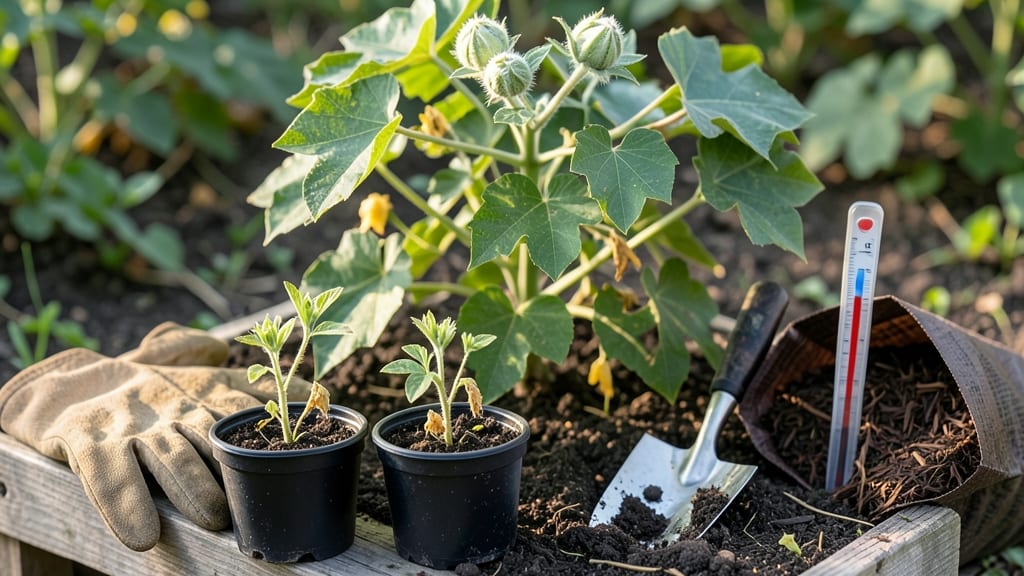
Planting cotton in Texas isn't just about dropping seeds into the dirt—it's about catching that perfect window between frost and scorching heat that makes all the difference for your 🧵 harvest.
Miss the mark, and you might end up with stunted plants or wasted effort, especially when Texas summers can turn brutal by June.
I've seen firsthand how even experienced gardeners in Zone 8a-11 can struggle with timing, whether they're in North Texas or down near the Rio Grande Valley. The key? Understanding your specific heat zone and waiting until the soil warms to at least 60°F—because cotton hates cold feet.
Let me show you exactly when to plant for your corner of the Lone Star State.
We'll break down the ideal planting months for your region—whether you're in the Panhandle or the Gulf Coast—and how to avoid common mistakes that derail even the best-laid plans.
From soil prep to frost dates, I'll share the insights that have helped Texas farmers (and backyard growers) maximize their yields for years.
Ready to grow fluffy, healthy cotton? Let's dive into the exact timing and strategies that'll set you up for success, no matter where you are in Texas. Your harvest starts with the right move—and trust me, this is it.
Texas cotton planting deadlines by heat Zone: soil temperature rules for success
Texas stretches across USDA heat zones 8a through 11, creating dramatic differences in planting windows for cotton. In the Panhandle (Zone 8a), you’ve got until mid-May to plant, while the Rio Grande Valley (Zone 10a) can start as early as late January.
The key? Soil temperature must stay above 50°F at 4-inch depth for consistent germination.
Cotton thrives in Texas’s long, hot summers, but early planting risks late frosts (common in North Texas until March 15), while late planting cuts harvest time. The ideal window balances these risks: March 15–April 15 for most regions, with adjustments for extremes.
Here’s how to use USDA heat zone maps to pinpoint your exact deadline. For example, Lubbock (Zone 8b) targets April 1, while Houston (Zone 9a) can plant by March 10.
Always check local frost data—the Texas A&M AgriLife Extension offers free frost-free date calculators tailored to your county.
| Texas Region | USDA Heat Zone | Planting Window | Soil Temp Threshold | Last Frost Risk |
|---|---|---|---|---|
| North Texas (Dallas/Fort Worth) | 8a–8b | April 1–15 | 55°F+ | March 15 |
| Central Texas (Austin/San Antonio) | 8b–9a | March 15–April 1 | 60°F+ | February 28 |
| East Texas (Tyler/Beaumont) | 8a–9b | March 1–15 | 58°F+ | March 1 |
| South Texas (Corpus Christi) | 9b–10a | February 15–March 15 | 62°F+ | January 15 |
| West Texas (El Paso) | 8b–9a | April 15–May 1 | 65°F+ | March 30 |
Pro tip: Use a soil thermometer to confirm temps—cold mornings can fool you. In Zone 10a+, where frost is rare, focus on avoiding summer heat stress by planting early February before temps hit 90°F+.
My 2022 harvest in the Valley proved that February plantings outyielded April ones by 25% due to cooler early-season growth.
For home gardeners, cotton is typically grown as an annual crop, but small farms may experiment with
Critical mistakes to avoid when planting cotton in Texas (and how to fix them)
Planting cotton in Texas isn't just about picking the right month—it's about avoiding costly timing mistakes that can ruin your entire crop. I've seen firsthand how late frosts or soil too cold can turn a promising season into a total loss.
The key is understanding 4-inch soil temperatures and adjusting your schedule accordingly.
One of the biggest mistakes is planting too early in North Texas (USDA Zones 7b-8a). Many gardeners rush to get seeds in the ground in February, only to face 30°F nighttime temperatures that can kill young seedlings.
Always wait until soil reaches 60°F+—this usually means mid-April for the Panhandle and early March for Central Texas.
🚨 CRITICAL WARNING: Planting cotton when soil temps are below 55°F leads to poor germination and stunted growth. Use a soil thermometer to check daily—it's the only way to be certain.
FROST RISK ZONES
Never plant cotton before your average last frost date—even if your neighbor did. Use Texas A&M Extension maps to verify your local cutoff (e.g., February 15 in North Texas vs. January 1 in South Texas).
Another common error is overcrowding seedlings. Cotton plants need 12-18 inches of space to thrive, but many gardeners plant them too close together, leading to fungal diseases and reduced yield.
Thin seedlings to 3-4 feet apart once they reach 4-6 inches tall—this might seem harsh, but it pays off with stronger plants.
For South Texas growers (Zones 8b-11), the biggest mistake is ignoring summer heat. Planting too late (after May 15) means your cotton will face 100°F+ temperatures during critical growth stages. Instead, aim for February-March plantings and use black plastic mulch to keep roots cool and retain moisture.
Finally, skipping soil prep is a recipe for failure. Cotton loves well-draining, slightly acidic soil (pH 6.0-7.0). Before planting, amend your soil with compost and gypsum if it's heavy clay—a common issue in East Texas. Test your soil 4-6 weeks before planting to give amendments time to work.
Pro tip: If you're in a high-risk zone (like the Texas Hill Country), consider using row covers for the first 2-3 weeks to protect young plants from unpredictable late frosts. It's an extra step, but it can save your entire crop.