
Plants
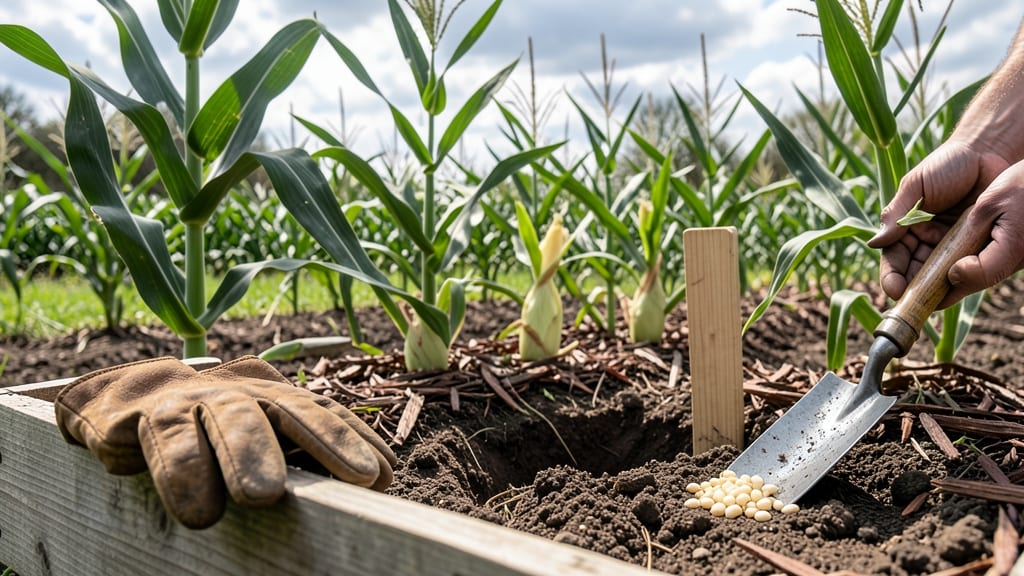
Planting corn at the wrong time in Zone 8a can mean the difference between a bumper crop of 🌽 and a sad, stunted disappointment. The key to success isn't just waiting for spring—it's knowing exactly when soil temperatures rise enough to support those tender seedlings.
In Zone 8a, where last frosts typically linger around mid-March, corn thrives when planted 2-3 weeks after that final frost date. That usually lands you in early to mid-April, but timing varies depending on whether you're growing early varieties or waiting for summer's heat to sweeten your ears.
I've learned the hard way that rushing too early can leave corn vulnerable to frost, while waiting too long risks pests or poor pollination. The sweet spot? Planting when soil hits 60°F and days stretch longer than 12 hours—that's when corn shoots up like magic.
Let me walk you through exactly how to calculate your perfect planting window, plus pro tips for adjusting based on your specific Zone 8a microclimate—whether you're in Southern California's coastal fog or Arizona's desert heat.
Optimal planting weeks before last frost in Zone 8a for maximum corn yield
In Zone 8a, corn thrives when planted after your average last frost date—typically around March 15th—but the exact timing depends on your variety and local microclimate.
Most corn varieties need 90-110 days to mature, so aim to plant seeds 2-3 weeks before your last frost for a full-season harvest. For example, if your last frost is April 1st, plant seeds around March 15th for a late-summer harvest.
Corn is a warm-season crop that won’t germinate well in cold soil. Wait until soil temperatures reach at least 60°F (15°C)—use a soil thermometer to check.
In Southern California, this often means planting in late March to early April, while in Texas or Arizona overlap zones, you might start as early as February in warmer microclimates.
Corn doesn’t transplant well, so direct sowing outdoors is the best method. Skip indoor starts unless you’re growing early varieties (80-day maturing), which can tolerate cooler soils. For most gardeners, April is the sweet spot in Zone 8a, balancing frost risk and heat tolerance.
| Stage | Action | Zone 8a Timeline |
|---|---|---|
| Soil Prep | Test pH (6.0-6.8), add compost | February-March |
| Plant Seeds | 1 inch deep, 4-6 inches apart in blocks | Late March-April |
| Germination | Soil temp ≥60°F (15°C) | 7-14 days |
| Thinning | Leave 12-18 inches between plants | 3-4 weeks after sowing |
| Harvest | Silks brown, kernels milky | July-October |
For Southern California, where frost is rare, you can plant as early as February for a spring harvest, but avoid planting too late—June plantings may struggle with summer heat and pests.
In Texas or Arizona overlap zones, focus on April-May plantings to align with monsoon rains, which help prevent drought stress.
Pro tip: Use black plastic mulch to warm soil faster and extend your planting window by 1-2 weeks. This is especially useful in cooler microclimates like higher elevations in Zone 8a. Always remove mulch once plants emerge to prevent overheating.
Corn is wind-pollinated, so plant in blocks (not rows) to ensure cross-pollination. For home gardens, a 4x4 ft block of 4 plants is ideal. If you’re growing multiple varieties, plant them at least 100 ft apart to avoid cross-contamination.
Monitor your local Almanac’s frost predictions and adjust planting dates if your area experiences unusually early frosts. In Zone 8a, a late frost in May can devastate young corn plants, so have row covers ready to protect seedlings if needed.
Once planted, corn grows rapidly—expect 1-2 inches per day in ideal conditions. Keep soil consistently moist (1-2 inches per week) and watch for tasseling (male flowers), which signals pollination is about to begin. This is your cue to increase watering to support ear development.
For a second harvest in late summer, try succession planting with short-season varieties (80-90 days) in early June. These can mature before fall frosts hit in November. Just be prepared to harvest quickly once ears form!
How to adjust planting for early vs. late varieties in Zone 8a
Choosing the right corn variety for Zone 8a means balancing maturity timing with your local climate. Early varieties (80-90 days) like 'Early Sunglow' mature faster, while medium varieties (90-110 days) like 'Silver Queen' produce larger ears but need more time.
In Zone 8a, where fall frosts arrive around November 15, timing is critical to avoid losing your harvest.
For early varieties, plant seeds 2-3 weeks after your last frost date (typically mid-April). This gives them enough time to mature before summer heat peaks. Late varieties, however, should go in the ground 4-6 weeks earlier (late March) to stretch their growing season.
The key is aligning your planting window with the 90-110 day maturity range of most corn varieties.
Succession planting is your best friend in Zone 8a. By staggering plantings every 2 weeks from April to early June, you can enjoy fresh corn throughout the summer. For example, plant your first batch in mid-April, then follow with a second batch in early May and a third in late May. This ensures a continuous harvest before fall frosts arrive.
Extending your growing season with row covers or black plastic mulch can give late varieties a fighting chance. Lay down black plastic 2-3 weeks before planting to warm the soil faster.
For early plantings, use floating row covers to protect young seedlings from unexpected late frosts (which can still occur in Zone 8a until mid-April).
In Southern California and Arizona (warmer parts of Zone 8a), you can even plant sweet corn as early as February if you use row covers. However, in Texas Hill Country (cooler parts of Zone 8a), wait until mid-April to avoid frost damage.
Always check your local microclimate—valleys and low-lying areas may frost later than hilltops.
Pro tip: If you love fresh corn but hate waiting, try 'Bodacious' (90 days) or 'Peaches and Cream' (85 days). These varieties strike a perfect balance for Zone 8a gardeners, delivering sweet, plump ears without the risk of late-season failures.
With the right timing and a little extra protection, you can enjoy homegrown corn from June through September—just in time for summer barbecues!