
Plants
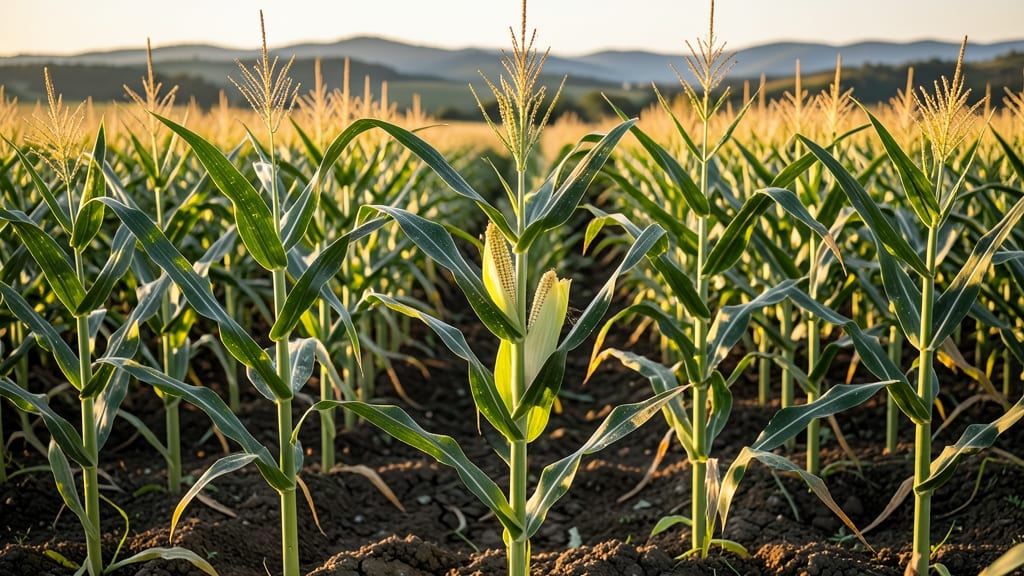
If you’ve ever wondered how tall a corn plant will grow before harvest season, you’re not alone—this is one of the first questions gardeners ask when planning their plots.
Some varieties barely clear your waist, while others can tower over your head, making spacing and support a critical part of the growing process.
Understanding your corn’s potential height helps you avoid overcrowding, which can stunt growth and reduce yields. Whether you’re working with dwarf varieties perfect for containers or standard types that need room to stretch, knowing what to expect makes all the difference in your garden’s success.
In this guide, I’ll break down the height ranges for common corn varieties, from compact 3-foot dwarfs to 10-foot giants, and share tips for optimizing their growth. You’ll also learn how sunlight, soil, and spacing play a role in determining just how tall your corn will soar.
Ready to plan your next crop? Let’s dive into the specifics so you can grow corn that thrives—and reaches its full potential.


Corn plant height by variety: from dwarf to towering giants
When planning your corn patch, one of the first questions I ask myself is: how tall will my corn plants grow? The answer depends entirely on the variety you choose, with heights ranging from compact dwarf corn perfect for containers to towering field corn that can reach basketball hoop heights.
Understanding these differences helps me maximize space while ensuring healthy plants and bountiful harvests.
Most home gardeners grow sweet corn varieties, which typically reach 5 to 8 feet tall at maturity. These are the crowd-pleasers like 'Golden Bantam' or 'Silver Queen', bred for delicious ears and manageable height.
Field corn, often used for livestock feed or ethanol production, can soar up to 10 feet or more, while popcorn varieties usually stay in the 6 to 8 foot range.
For small gardens or container growing, dwarf corn varieties like 'Tom Thumb' or 'Miniature Sweet' are game-changers. These stay between 3 to 5 feet tall, making them ideal for urban gardeners with limited space.
I've successfully grown them in large pots on my patio, proving that you don't need a sprawling farm to enjoy fresh corn.
| Variety Type | Height Range | Best For | Spacing Needs |
|---|---|---|---|
| Dwarf Sweet Corn | 3-5 ft | Containers, small gardens, urban farming | 12-18 inches apart |
| Standard Sweet Corn | 5-8 ft | Home gardens, family harvests | 24-36 inches apart |
| Field Corn | 8-12 ft | Large farms, livestock feed | 36-48 inches apart |
| Popcorn | 6-8 ft | Home popping, ornamental gardens | 24-30 inches apart |
| Semi-Dwarf Corn | 5-7 ft | Small homesteads, windbreaks | 20-24 inches apart |
The spacing requirements change dramatically based on corn height. Tall varieties need more room to prevent shading and disease spread. I always space my 8-foot sweet corn about 3 feet apart in rows that are 4 feet apart to ensure good air circulation.
This spacing also makes it easier to harvest without damaging neighboring plants.
One variety that always impresses me is 'Country Gentleman', a 10-foot field corn that creates a dramatic backdrop in my garden. While it's not typically grown for eating, its height makes it perfect for creating natural windbreaks or adding vertical interest.
If you're considering tall corn, just remember that it requires sturdy soil and consistent watering to support its weight.
For container growing, I've had great success with 'Tom Thumb' corn, which stays under 4 feet tall. The key is using a large pot (at least 12 inches deep) with good drainage and a balanced fertilizer.
I place mine in full sun on my patio where they get 6-8 hours of direct sunlight daily, which is crucial for all corn varieties to reach their potential height.
When selecting seeds, always check the maturity days along with height information. Some short-season varieties might be shorter but still produce well in cooler climates.
For example, 'Early Sunglow' reaches about 6 feet tall but matures in just 65 days, making it perfect for northern gardens with shorter growing seasons.
If you're growing corn for ornamental purposes or to attract pollinators, consider decorative corn varieties that come in colors like purple, blue, or even black. These often have similar height ranges to standard sweet corn but add beautiful visual interest to your garden.
Just be sure to check their specific height requirements before planting.
Remember that genetics aren't the only factor in corn height. Soil quality, sunlight exposure, and proper care all play significant roles. In my next section, I'll share how to optimize growing conditions to help your corn reach its full potential height while staying healthy and productive.
Corn plant height by variety: from dwarf to towering giants
When planning your corn garden, the first question is almost always: how tall will my corn plants grow? The answer varies dramatically depending on the variety you choose.
Some compact types barely reach your knees, while others can stretch taller than you are—making proper spacing and support essential for a successful harvest.
For gardeners with limited space, dwarf corn varieties like 'Golden Bantam' or 'Tom Thumb' are perfect, topping out at just 3-5 feet. These are ideal for containers or small plots, but they still produce sweet, tender ears.
On the other end of the spectrum, standard sweet corn varieties like 'Silver Queen' or 'Peaches and Cream' can soar to 7-10 feet, requiring ample room to avoid shading and competition.
| Variety Type | Height Range | Best For | Spacing Needs |
|---|---|---|---|
| Dwarf Sweet Corn | 3–5 ft | Containers, small gardens | 12–18" apart |
| Semi-Dwarf Sweet Corn | 5–7 ft | Raised beds, small plots | 18–24" apart |
| Standard Sweet Corn | 7–10 ft | Large gardens, fields | 24–36" apart |
| Field/Popcorn | 8–12 ft | Large spaces, windbreaks | 36" apart |
If you're growing field corn or popcorn, expect even taller plants—often 8-12 feet. These varieties need plenty of elbow room and are best suited for larger gardens or even as windbreaks.
The key to managing height is understanding your garden’s layout and choosing varieties that fit your space while still meeting your yield goals.
For example, if you're growing corn in containers or raised beds, dwarf varieties like 'Little and Lovin'' It' (4 feet) are ideal. But if you have a spacious backyard, standard varieties like 'Country Gentleman' (10 feet) will reward you with larger ears and higher yields.
Always check seed packets for mature height estimates—this small step can save you from overcrowding headaches later.
Pro tip: If you love tall corn but have limited space, consider trellising or staking your plants. While corn isn’t a traditional climber, providing support can help channel energy into ear production rather than just vertical growth. Just be gentle—corn stalks are sturdy but can snap under too much pressure.
Remember, height isn’t the only factor—maturity time also plays a role in spacing. Shorter varieties may mature faster, allowing you to plant successive crops in the same space. Plan ahead, and your corn will thrive whether it’s knee-high or towering over your head!