
Plants
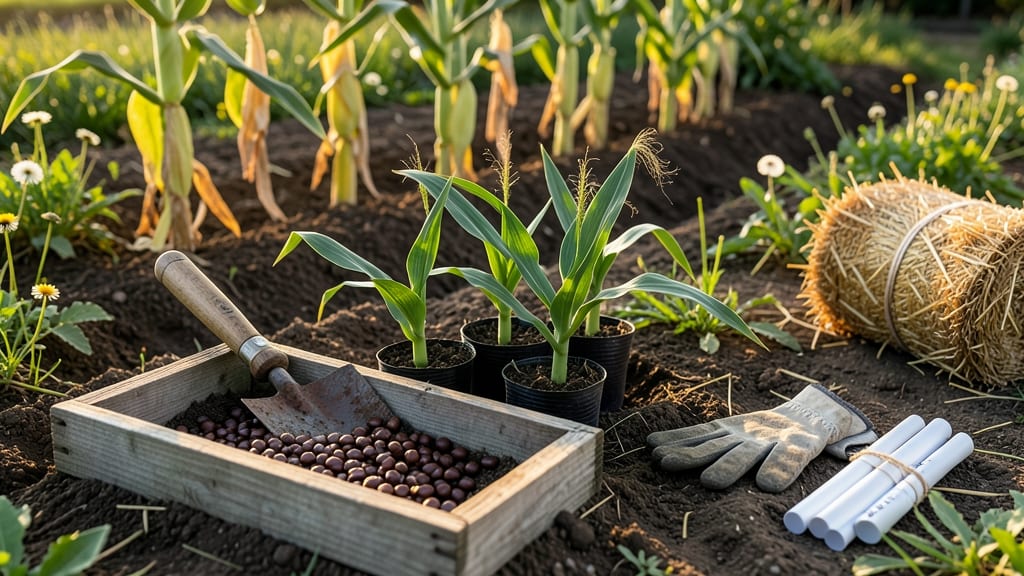
Planting corn in Northern California at the wrong time can mean the difference between a bumper crop of juicy 🌽 ears and a sad, stunted failure—especially when frost dates shift from Redding to San Francisco.
The key isn’t just waiting for spring; it’s reading your microclimate like a pro, because what works in Sacramento’s 9a zone won’t cut it in Redding’s cooler 7b conditions.
Most gardeners assume April is the only window, but the truth is more nuanced: coastal areas can start as early as March, while inland spots might wait until June to avoid late frosts.
I’ll break down the exact soil temperature thresholds (60°F minimum) and regional tweaks—like using row covers in frost-prone valleys—that turn guesswork into guaranteed success.
You’ll also discover how to stretch your growing season with companion plants (beans and squash are your best friends) and when to pull the trigger on varieties like ‘Silver Queen’ vs. ‘Little and Tender.’ Trust me, skipping these details means risking small ears or no ears at all.
Let’s cut through the confusion and get your corn planted at the perfect moment—so you’re harvesting golden ears from July to October, not staring at wilted stalks. Ready to master the timing?
Northern California corn planting zones: frost dates by region
Northern California’s diverse microclimates create wildly different frost risks—from coastal San Francisco’s mild winters to the frost-prone Sacramento Valley. Understanding these zones ensures your corn thrives. Here’s how to align planting with your region’s last frost dates and USDA zones.
Coastal areas like San Francisco (USDA Zone 10a) rarely see frost after February 15, while inland cities like Redding (Zone 7b) can experience late frosts until March 15. Mountain foothills (e.g., Sacramento Valley, Zone 9a) average last frosts around April 1, requiring later planting.
Use this microclimate guide to pinpoint your ideal planting window. For example, low-elevation coastal gardens can start as early as March 1, while high-elevation areas should wait until May 15 to avoid frost damage.
Check your local UC Master Gardener resources for hyper-local frost data. For example, San Francisco’s frost-free season spans 270 days, while Redding’s is just 180 days—a critical difference for corn’s 90-120 day growth cycle.
Pro tip: Plant dwarf varieties like ‘Little and Tender’ in high-risk zones to reduce frost exposure. These stay under 5 feet tall, making them easier to protect with row covers if late frosts strike.
Soil temperature matters just as much as frost dates. Corn needs soil temps above 60°F (15°C) to germinate. Use a soil thermometer to confirm readiness—especially in cooler inland valleys where daytime warmth belies chilly nights.
For coastal gardeners, leverage the longer growing season by planting early varieties (e.g., ‘Golden Bantam’) in March for a July harvest. Inland growers should focus on mid-season varieties like ‘Silver Queen’ planted in late April.
Always account for first frost dates too. Coastal areas rarely see frost, but inland regions like Sacramento Valley can experience frost as early as October 15. Plan your harvest timeline to avoid late-season chills.
Optimal planting windows for sweet corn varieties in Northern California
Northern California’s diverse microclimates mean your corn planting window can stretch from mid-March in coastal areas to late June in high-elevation zones. But timing isn’t just about the calendar—it’s about soil temperature and variety selection.
Most sweet corn varieties thrive when soil reaches 60°F (15°C), which typically happens by mid-April in most regions.
For early-season varieties like 'Golden Bantam' or 'Silver Queen', aim to plant between April 15 and May 15.
These varieties mature in 60-75 days, perfect for escaping summer heat. Mid-season varieties such as 'Peaches and Cream' or 'Country Gentleman' should go in the ground by May 15-June 1, while late-season heirlooms like 'Temptation' can handle June plantings.
🌽 Pro Tip: Use a soil thermometer to confirm readiness—corn seeds won’t sprout below 55°F (13°C). Coastal areas (e.g., San Francisco Bay) can plant 2-3 weeks earlier than inland zones like Sacramento Valley.
- 1 April 15-May 15: Plant early varieties (60-75 days to harvest) in USDA Zones 8-10 (coastal/mild inland). Ideal for 'Golden Bantam' or 'Silver Queen'.
- 2 May 15-June 1: Mid-season varieties (75-90 days) thrive here. Best for 'Peaches and Cream' or 'Country Gentleman' in Zones 7-9 (Sacramento, Redding).
- 3 June 1-15: Late plantings work for heat-tolerant heirlooms (90+ days) in higher elevations (e.g., Sierra foothills). Try 'Temptation' or 'Black Aztec'.
- 4 Moon Phase Matters: Plant during the waxing moon (increasing light) for stronger roots. Avoid full moon plantings—corn may bolt prematurely.
- 5 Succession Planting: Stagger plantings every 2 weeks for continuous harvests. Example: Plant April 15, April 30, May 15 to extend your season.
Northern California’s summer dry heat can stress corn, so late June plantings should focus on drought-tolerant varieties like 'Bodyguard' or 'Ambrosia'. These varieties handle 90°F+ temps better than standard sweet corn. Always pair your planting date with adequate irrigation planning—drip systems work best to maintain consistent soil moisture.
🌡️ Critical Threshold: If nighttime temps drop below 50°F (10°C) after planting, use row covers to protect young seedlings. Coastal fog can delay germination, so monitor seeds closely in San Francisco or Monterey areas.
For organic gardeners, incorporate compost or aged manure 2 weeks before planting to boost soil fertility. Synthetic fertilizers can be used but may require side-dressing with nitrogen at the 6-leaf stage to prevent ear rot. Always water deeply after fertilizing to avoid root burn.