
Plants
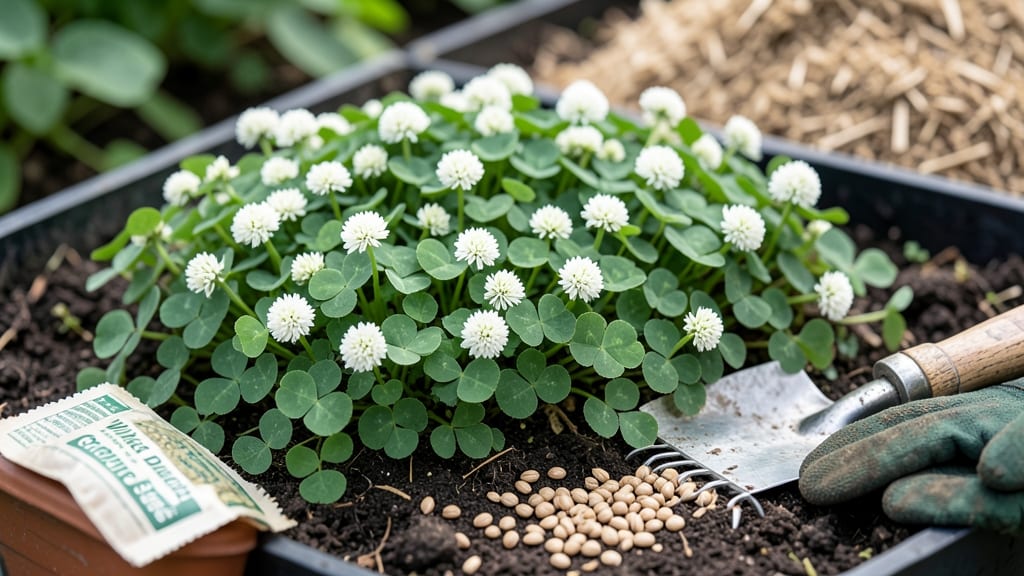
Planting clover in the fall is your secret weapon for healthier soil and lush spring growth—but get the timing wrong, and you risk weak roots or frost damage. The ideal window is 4-6 weeks before your first frost, giving clover time to establish before winter dormancy.
In USDA Zone 6a, that means aiming for late August to early September, when soil stays warm enough for germination.
This small but mighty 🌱 plant thrives when sown in cooler weather, avoiding the heat stress of summer planting. Fall planting also means fewer weeds to compete with and stronger root systems that survive winter better.
Whether you're in the northern U.S. or a cooler region, understanding your local frost dates is the key to success.
I’ll walk you through the exact timing for your area, soil prep tips, and how to choose the best clover varieties for fall. By the end, you’ll know exactly when to plant for maximum benefits—no guesswork, just stronger soil ahead.
Ready to transform your garden? Let’s dive into the perfect fall planting strategy for clover that works year after year.
Optimal fall planting windows for clover by climate Zone
Planting clover in the fall is a game-changer for soil health and winter hardiness, but the right timing depends on your USDA hardiness zone. In cooler northern regions (Zones 3-5), aim for late August to mid-September—this gives clover 4-6 weeks to establish roots before first frost.
Southern zones (6-9) can plant slightly later, even into early October, since winters are milder. The key is ensuring soil temperatures stay above 50°F (10°C) for germination.
Clover thrives when planted 4-6 weeks before frost, allowing roots to grow deep and store nutrients. In Zone 6a (like my garden in Virginia), I always plant by September 1st—any later risks weak growth before winter dormancy.
Use your local frost date as your deadline: subtract 6 weeks to calculate your ideal planting window. For example, if frost hits October 15th, plant by September 1st.
Soil temperature is critical—clover seeds need 50-70°F (10-21°C) to germinate. Use a soil thermometer to check: if temps drop below 50°F, wait a week or two.
In my experience, late August often hits this sweet spot in most regions. If your soil is still warm in early September, you’re safe to plant.
Regional variations matter: Northern gardens (Zones 3-5) should prioritize earlier planting to avoid frost damage, while Southern gardens (Zones 7-9) can extend planting into October.
For instance, in Zone 8, I’ve had success planting red clover as late as October 10th—the mild winters let it establish without stress. Always check your average first frost date for precise timing.
Here’s a quick rule of thumb: Northern zones = plant by mid-September; Southern zones = plant by early October. But don’t guess—use a frost calendar or local extension service for your exact zone.
For example, in Zone 5, I adjust my planting date 2 weeks earlier than Zone 6 to account for colder winters.
| Climate Zone | Ideal Planting Window | Soil Temp Requirement | Frost Risk |
|---|---|---|---|
| Zones 3-5 (Cold Winters) | Late August - Mid-September | 50-65°F (10-18°C) | High (plant 6+ weeks before frost) |
| Zones 6-7 (Moderate Winters) | Early August - Early October | 50-70°F (10-21°C) | Moderate (plant 4-5 weeks before frost) |
| Zones 8-9 (Mild Winters) | Late August - Mid-October | 55-75°F (13-24°C) | Low (plant 3-4 weeks before frost) |
| Zones 10+ (No Frost) | September - November | 60-80°F (16-27°C) | None (plant anytime in fall) |
🌱 Pro Tip: Adjust for early frost years by planting 2 weeks sooner.
Clover varieties also play a role in timing. White clover and red clover are hardier and can handle cooler soils, making them ideal for northern zones. Crimson clover, however, prefers warmer soils and works best in Zones 6-9.
Always choose a variety matched to your climate—this ensures better germination and winter survival. For example, I use Dutch white clover in my Zone 6 garden because it tolerates cooler temps.
One common mistake is planting clover too early in late July, when soil temps are still high. This can cause seeds to dry out before germinating. Conversely, planting too late (after mid-October in most zones) leaves little time for root growth before frost.
I’ve learned this the hard way—my 2019 clover patch planted in early October barely survived the winter. Since then, I’ve stuck to September 1st as my cutoff.
To maximize success, pair your planting date with soil prep. Loosen the top 2 inches of soil and mix in compost to improve drainage and warmth. This helps clover seeds germinate faster, especially in cooler zones.
I also add a light mulch after planting to retain soil heat and moisture—critical for fall germination. A straw mulch works best for this purpose.
Remember, clover’s primary goal in fall is root establishment, not lush growth. Focus on giving it enough time to develop a strong root system before winter dormancy. In my garden, this means prioritizing timing over seed quantity.
A smaller patch planted at the right time will outperform a large patch planted too late. With the right timing, your clover will reward you with rich, nitrogen-filled soil come spring.
Optimal fall planting windows for clover by climate Zone
Planting clover in the fall gives it time to establish roots before winter, but timing varies dramatically by region. In the Northern US (Zones 3-6), aim for late August to mid-September—at least 6 weeks before frost.
Southern zones (7-10) can plant until early October, as milder winters allow later establishment.
Soil temperatures should stay above 50°F (10°C) for germination. Use your local first frost date as your deadline—clover needs 4-6 weeks to sprout and develop a strong root system before dormancy.
For example, in Zone 5 (Midwest), September 1st is ideal, while Zone 8 (Southeast) gardeners can plant until October 15th. Always check your USDA Plant Hardiness Zone for precise timing.
🌱 Fall Planting Windows by Region
| Climate Zone | Ideal Planting Window | Soil Temp Threshold | Key Consideration |
|---|---|---|---|
| Zones 3-5 (Cold Winters) | Late August - Mid-September | 50-60°F (10-15°C) | Early frost risk; prioritize root growth |
| Zones 6-7 (Moderate Winters) | Early September - Early October | 55-65°F (13-18°C) | Balanced frost window; longer growing season |
| Zones 8-10 (Mild Winters) | Mid-September - Mid-October | 60-70°F (15-21°C) | Later frost dates; slower germination |
📌 Pro Tip: Use a soil thermometer to verify temperatures before planting.
If you miss the ideal window, don’t panic—clover can still establish in early fall, but growth will be slower. For late plantings (October+), use a light mulch to protect young seedlings from sudden cold snaps.
Remember, clover’s nitrogen-fixing abilities peak when planted in fall, improving soil structure for next year’s crops. The key is giving it enough time to root deeply before dormancy—not rushing the process.
For Southern Hemisphere gardeners, reverse the timeline: Plant in late winter to early spring (August-September) when soil warms above 50°F (10°C).