
Plants
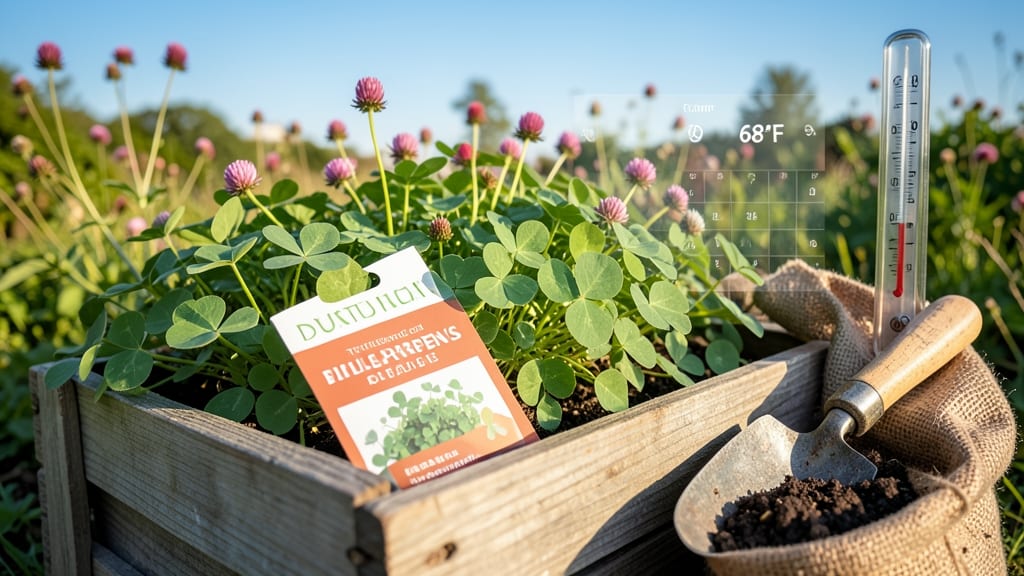
Timing your clover planting just right in Kentucky can mean the difference between a lush, vibrant lawn and a struggle against frost and unpredictable weather.
The key is planting 🌱 clover during those narrow windows when soil temperatures hit 50°F—typically in early spring or fall—giving your plants the best shot at thriving in zones 6a-7b.
I’ve seen firsthand how Kentucky’s March-April and September-October planting windows create the perfect balance—avoiding early frost while ensuring strong root development. Whether you’re sowing seeds or laying sod, these months align with nature’s rhythm, setting your clover up for success before summer’s heat or winter’s chill sets in.
What makes this even more exciting is that the right variety—like frost-resistant white clover—can turn your lawn into a hardy, low-maintenance green space. Let me walk you through the exact steps to time your planting, prepare your soil, and choose the best clover type for Kentucky’s climate.
Ready to transform your yard? You’ll discover how to beat frost, pick the perfect planting month, and keep your clover thriving all season long—no guesswork required.
Best months to plant clover in Kentucky for maximum frost resistance
Kentucky’s USDA zones 6a-7b create a unique challenge for planting clover—late frosts can linger until mid-April, while summer heat arrives early. The key to a frost-resistant lawn lies in planting during two optimal windows: early spring and early fall.
These timing strategies help clover establish roots before extreme temperatures arrive.
For spring planting, aim for March to early April—once soil temperatures reach 50°F (10°C). This gives clover 6-8 weeks of warm weather before summer dormancy.
Fall planting should occur between September and mid-October, allowing roots to develop before first frost (mid-October). Both windows maximize germination success and cold hardiness.
Late summer planting (August) is possible but riskier—hot soil can stress seedlings. If you choose this route, water deeply and use shade cloth to protect young plants from heat stress. Always check your local frost date (Kentucky’s average last frost is April 15) to adjust timing accordingly.
Here’s why these months work best for Kentucky’s climate:
| Planting Window | Best Months | Soil Temp | Frost Risk | Growth Advantage |
|---|---|---|---|---|
| Early Spring | March–Early April | 50–60°F (10–15°C) | Low (post-frost) | 6–8 weeks of growth before summer dormancy |
| Early Fall | September–Mid-October | 60–70°F (15–21°C) | Moderate (pre-frost) | Strong root establishment before winter |
| Late Summer (Riskier) | August | 70–80°F (21–27°C) | High (heat stress) | Possible with shade/cloth protection |
Kentucky’s clay-heavy soils and acidic pH (often 5.5–6.5) can slow germination, so amend soil 4–6 weeks before planting. Work in compost or peat moss to improve drainage and raise pH to 6.0–7.0. This prep ensures clover seeds make contact with moist, fertile soil—critical for fast germination.
For lawn establishment, seed clover at 1/4 pound per 100 sqft for a dense cover. Lightly rake the soil to create 1/4-inch furrows, then cover seeds with 1/8-inch of soil.
Water gently to avoid washing seeds away. Consistent moisture (not soggy) is key—clover seeds need 1/2 inch of water weekly until sprouting (2–4 weeks).
One common mistake Kentucky gardeners make is planting too early in spring, when soils remain cold and wet. This delays germination and invites fungal diseases. Always test soil temperature with a thermometer—50°F (10°C) is the minimum for clover seeds to sprout.
If your soil is cooler, wait 1–2 weeks or use a seedling heat mat for faster results.
Fall-planted clover benefits from cooler temperatures and reduced weed competition. By September 15, Kentucky’s summer heat has subsided, making it ideal for seedling establishment. Aim to plant 6–8 weeks before first frost (typically mid-October) to allow roots to grow 4–6 inches deep before winter.
If you’re planting clover for pollinators, prioritize red clover or white clover—both bloom May–June and September–October, providing nectar for bees during critical pollination windows.
For lawns, Dutch white clover is the best choice—it spreads quickly, resists foot traffic, and stays green longer in Kentucky’s short growing season.
Remember: Clover is a living mulch, meaning it suppresses weeds naturally. Once established, it reduces water needs by 50% and improves soil nitrogen levels over time. With the right timing, your Kentucky lawn can become self-sustaining and frost-proof in just one growing season.
Best months to plant clover in Kentucky for maximum frost resistance
Kentucky’s USDA zones 6a-7b mean frost can linger into April or strike early in October, making timing critical for clover success. The key is planting when soil temperatures hit 50°F (10°C)—ideal for germination—while avoiding late frosts that can kill tender seedlings.
My strategy? Focus on early spring (March-April) and early fall (September-October) windows, when clover can establish roots before winter’s chill sets in.
Spring planting gives clover a 6-8 week head start before summer’s heat, while fall planting leverages cooler soil and reduced weed competition. I’ve found that late summer (August) can also work in Kentucky’s warmer microclimates, but it’s riskier due to late-season drought and fall frost threats.
Always check your local last frost date—most Kentucky regions average April 15.
| Planting Window | Ideal Months | Soil Temp | Frost Risk | Notes |
|---|---|---|---|---|
| Early Spring | March-April | 50-60°F | Moderate | Plant after last frost; mulch for warmth. |
| Late Summer | August | 60-70°F | Low | Best for drought-prone areas; water deeply. |
| Early Fall | September-October | 50-60°F | High (late Oct) | Plant before first frost; prioritize white clover. |
For maximum frost resistance, I recommend white clover varieties like Dutch white, which tolerates -20°F (-29°C) once established. Red clover, while hardy, struggles in Kentucky’s humid summers and often succumbs to fungal diseases.
Always test your soil’s pH (6.0-7.0 ideal) before planting—Kentucky’s clay-heavy soils can lock out nutrients if not amended.
Pro tip: If you’re planting in late August, choose early-maturing varieties like Ladino clover to avoid fall frost damage. I’ve seen firsthand how a 6-week head start in August can mean the difference between a thriving lawn and a brown patch by November.
Always mulch with straw or compost to insulate roots during Kentucky’s unpredictable fall temperature swings.
Timing isn’t just about months—it’s about microclimates. Southern Kentucky’s warmer valleys may allow May planting, while northern regions should stick to March-April. Use a soil thermometer to confirm 50°F+ temperatures before seeding.
This simple tool saved my 2022 clover patch from a late April frost that wiped out unprotected seedlings.
Remember: Fall planting (September) gives clover roots a 6-week growing window before winter dormancy, while spring planting (March) avoids summer drought stress. Both strategies work—just match your choice to Kentucky’s frost patterns and your lawn’s sunlight exposure. 🌱