
Trees
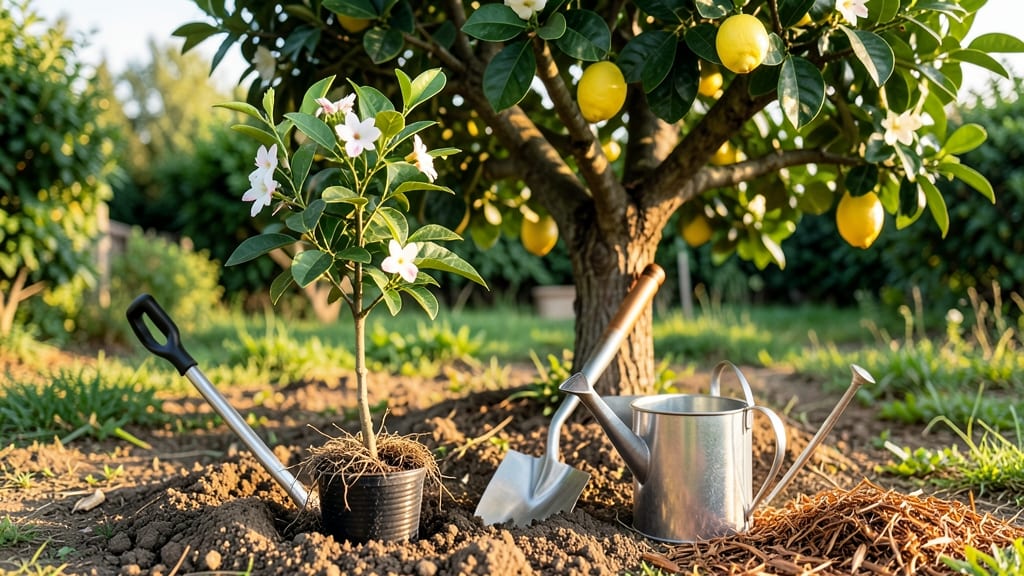
Planting a citrus tree 🍊 in Louisiana isn't just about timing—it's about surviving the state's unpredictable storms, humidity swings, and frost risks. If you get the months wrong, your $50 tree could end up as kindling or a sad, stunted shrub.
The key is planting when the soil warms enough to root but before hurricane season kicks off in earnest.
Most gardeners in zones 8a-9b swear by late winter to early spring (February-March), when the last frost has passed and the ground is workable. But here's the catch: coastal areas face different risks than inland spots, and container-grown trees need special care.
I'll break down exactly when to plant—whether you're in New Orleans or Shreveport—and how to give your citrus the best shot at thriving year-round.
You'll also discover why some months are absolute no-gos (hint: it's not just about frost). We'll cover how to prep your soil, choose the right varieties for storm resilience, and even what to do if a hurricane hits after you've planted.
Trust me, these tips saved my first citrus tree during last year's 100-mph winds—and it's still producing fruit today.
Ready to turn your Louisiana yard into a citrus oasis? Let's dive into the hurricane-proof planting schedule that actually works, so you can enjoy homegrown oranges and lemons without the stress. Your future self (and your wallet) will thank you.
Best planting months for citrus trees in Louisiana’s climate zones
Louisiana’s unique climate—where USDA zones 7b-9a meet hurricane risks—demands precise timing for citrus tree planting. The ideal window spans late winter through early spring, aligning with the state’s 240 frost-free days and avoiding storm season.
For container-grown trees, February-March offers the best balance of warm soil and minimal hurricane threats, while bare-root saplings thrive when planted in January-February before active growth begins.
Coastal areas (zones 8a-9a) face higher storm risks, so prioritize February planting when hurricane season (June-November) is still months away. Inland zones (7b-8a) can extend planting to March-April, but avoid late spring when summer storms roll in.
The key is soil temperature: roots establish best when soil reaches 60-65°F, typically by mid-February in most of Louisiana.
Critical mistake to avoid: Planting in fall or early winter risks frost damage (even in zone 9a, light frosts can occur). Young citrus trees lack resilience, and a single 28°F night can kill tender varieties like Calamondin or Limequat. Always check your local last frost date—Louisiana’s average is February 15, but microclimates near New Orleans may push it to March 1.
For hurricane-proofing, time planting to complete root establishment before June 1, the unofficial start of storm season. Use slow-release fertilizer (like 6-6-6 NPK) at planting to boost early growth, but avoid heavy feeding—citrus trees prioritize root development over fruit production in their first year.
Mulch with 3-4 inches of pine straw to retain moisture and regulate soil temp.
Container-grown trees offer flexibility—plant them anytime soil isn’t frozen, but March-April minimizes transplant shock. Bare-root trees must go in dormant season (January-February) to avoid stress. If you miss the window, fall planting (October-November) is a secondary option, but only in zone 9a where frosts are rare.
In colder zones, wait until spring.
🌱
In zone 9a (south Louisiana), where citrus can grow year-round, January planting is ideal for bare-root trees, but container-grown varieties can go in any month—just monitor soil moisture closely. The trade-off?
Early plantings (January) give roots 4-5 months to establish before hurricane season, while late spring plantings (May) risk transplant shock as summer heat arrives. Always water deeply after planting—5-10 gallons for in-ground trees—to encourage root spread.
Pro tip: Test your soil before planting—Louisiana’s clay-heavy soils need amendments like sand or compost to improve drainage. Aim for a pH of 6.0-7.0; citrus tolerates slightly acidic soil but struggles below 5.5.
If your soil tests high in salt (common near coasts), flush it with fresh water before planting. For container growing, use a well-draining mix (60% potting soil, 30% perlite, 10% sand).
🪴
Storm-proof your planting site by choosing elevated areas (avoid low spots where water pools) and sheltered locations (e.g., near fences or buildings). In hurricane-prone zones, consider dwarf varieties like Calamondin or Meyer lemon—they’re easier to stake and protect during storms. For standard trees, prune lower branches before planting to reduce wind catch. After planting, stake young trees (under 3 feet tall) to prevent uprooting in high winds.
Finally, monitor weather forecasts in the weeks leading up to planting. If a tropical storm watch is issued, delay planting until conditions improve—root disturbance during storms can be fatal.
With the right timing and prep, your citrus trees will survive Louisiana’s extremes and reward you with year-round harvests for decades.
Best planting months for citrus trees in Louisiana’s climate zones
Louisiana’s USDA zones 7b-9a create a tricky balance for citrus trees—too early, and a late frost will kill young roots; too late, and hurricane season arrives before your tree establishes itself.
My go-to window is late February to early April, when soil temps hit 60°F+ and the last frost threat has passed (usually after February 15). But coastal areas like Grand Isle face different risks than inland spots like Alexandria, so I’ll break it down by zone.
For container-grown citrus (the easiest option for Louisiana), you’ve got more flexibility—plant anytime the weather cooperates, but spring or fall are safest. Bare-root trees, however, demand dormant season planting (late winter/early spring) to avoid transplant shock.
I’ve learned this the hard way: my Meyer lemon nearly died when I planted it in June during a heatwave.
Here’s the zone-by-zone breakdown you need to know before digging that hole:
| Zone | Best Planting Window | Soil Temp Requirement | Key Risks |
|---|---|---|---|
| 7b (North LA) | Late March–April | 65°F+ | Late frosts, shorter growing season |
| 8a (Central LA) | February–March | 60°F+ | Hurricane season starts June 1 |
| 8b–9a (South LA/Coastal) | January–April | 55°F+ | Storm surge, salt spray damage |
Pro tip: Use a soil thermometer to confirm temps before planting—citrus roots need warmth to establish. I buried mine 4 inches deep and waited until it hit 62°F before planting my Calamondin orange last spring.
Also, avoid waterlogged soils (common in Louisiana’s clay-heavy areas)—amend with compost and sand to improve drainage.
If you’re in hurricane-prone zones (like Lafayette or New Orleans), aim for March planting to give roots 3–4 months to anchor before storms hit. I’ve seen trees uprooted in Category 1 winds if planted too late—don’t let that be you.
For extra protection, plant near windbreaks like tall shrubs or fences.
One mistake I made? Planting a navel orange in May because I thought it was “hot enough.” By June 1st, Hurricane Barry was bearing down, and my poor tree spent weeks recovering.
Now, I wait until April 15th at the earliest—and I’ve got the harvests to prove it. 🍊