Plants
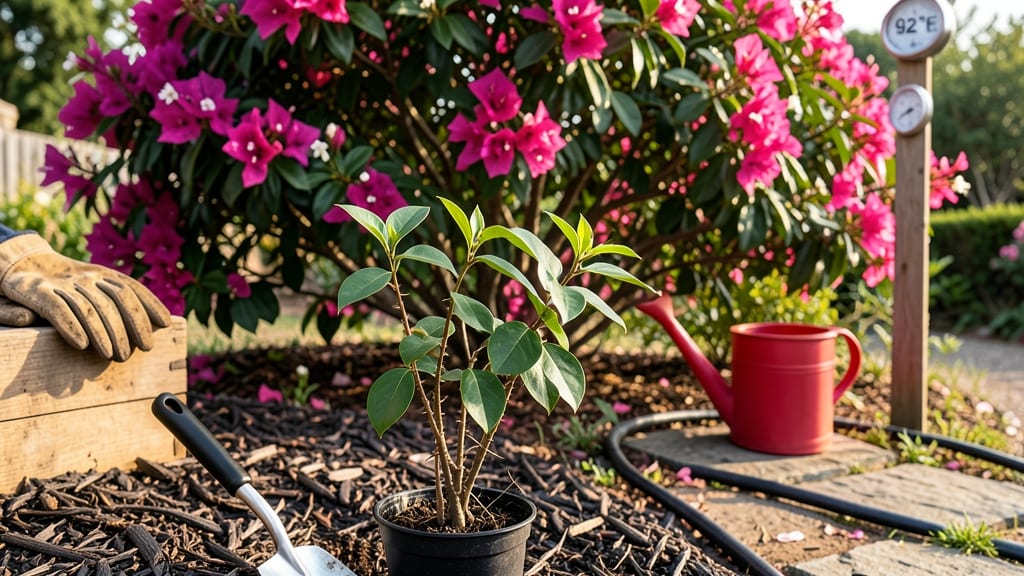
Planting bougainvillea in Arizona isn’t just about throwing a cutting into the ground and hoping for the best—it’s about timing your move to avoid scorching heat or missed blooms.
The ideal window spans from November through March, when temperatures are cooler and the risk of frost (yes, even in Arizona!) is nearly zero.
Why does this matter? Because bougainvillea 🌺 thrives when planted during its natural dormant phase, giving roots time to establish before summer’s brutal heat. Skip this window, and you might end up with stressed plants that struggle to produce those vibrant, paper-like blooms you love.
In this guide, I’ll break down the best months for planting in Arizona’s diverse microclimates—whether you’re in Phoenix, Tucson, or the high desert—plus pro tips for container vs. in-ground planting. Ready to set your bougainvillea up for year-round color?
Let’s dive into the specifics so you can plant with confidence and watch your garden explode with blooms—no guesswork required.
Best months to plant bougainvillea in Arizona’s climate zones
Arizona’s frost-free winters and intense desert heat create a unique window for planting bougainvillea. Unlike many regions, you won’t face frost damage, but timing still matters to avoid summer heat stress.
The ideal planting window spans November through March, when temperatures are mild—perfect for root establishment before the scorching 100°F+ summers. This schedule works for Phoenix, Tucson, and Yuma, though microclimates may shift your exact timing by a week or two.
For container gardening, you can push planting to April if you provide afternoon shade during the hottest months. However, in-ground plantings should always go in before April 15 to prevent transplant shock.
My personal rule? Plant by Valentine’s Day for the best balance of cool roots and warm growing days ahead. This timing ensures your bougainvillea gets 6-8 weeks of mild weather to establish before summer’s peak heat arrives.
Arizona’s USDA Hardiness Zones 8a-11 all support bougainvillea year-round, but elevation differences create local variations. In Tucson’s higher elevations (Zone 8a), aim for November-December planting, while Yuma’s low desert (Zone 10a) allows planting through March.
Phoenix (Zone 9b) sits in the middle, with January-February being the sweet spot for most gardeners. Always check your local frost-free date—even though Arizona rarely sees frost, unexpected cold snaps can occur in Flagstaff or Prescott.
The monsoon season (July-September) is another critical factor. Planting after September 15 risks soggy soil and fungal issues. Instead, wait for post-monsoon dryness to settle before digging in.
My first bougainvillea nearly failed because I planted in late August—the roots struggled with the sudden shift from monsoon rains to 110°F heat. Since then, I’ve made it a rule to plant after October 1 unless I’m using containers with excellent drainage.
| Zone | Best Planting Months | Key Considerations | Avoid Planting |
|---|---|---|---|
| 8a (Tucson High Desert) | November-December | Cooler nights; risk of light frost | April-July (extreme heat) |
| 9a (Prescott) | December-January | Higher elevation; slower growth | March-May (heat stress) |
| 9b (Phoenix) | January-February | Balanced temps; ideal root growth | June-August (monsoon risk) |
| 10a (Yuma) | November-March | Extended growing season | September-October (monsoon transition) |
| 11 (Sahuarita) | December-April | Year-round warmth; fast growth | None (plant anytime) |
If you’re planting bare-root bougainvillea (common in nurseries), soak the roots for 2-4 hours before planting to rehydrate them. This is especially critical in Arizona’s dry climate, where root balls can dry out quickly during transport.
I once planted a 3-gallon bougainvillea without soaking—by the time I got home, the roots were crispy. Since then, I’ve made it
Best months to plant bougainvillea in Arizona’s climate zones
Arizona’s frost-free winters and intense desert heat create a unique planting window for bougainvillea. Unlike northern climates, you won’t worry about frost damage, but timing still matters to avoid heat stress during the brutal summer months.
Your ideal planting window spans from November through March, when temperatures are mild and soil remains workable. This aligns with Arizona’s USDA Zones 8a-11, where winter lows rarely dip below freezing—perfect for establishing roots before summer’s arrival.
Phoenix gardeners should aim for November-December planting, while Tucson’s higher elevation (Zone 8a) benefits from October-November to avoid early cold snaps. In Yuma’s extreme desert (Zone 11), January-February works best to escape summer’s peak heat.
| Zone | Best Planting Months | Key Consideration |
|---|---|---|
| 8a (Tucson) | October-November | Avoid early cold snaps |
| 9b (Phoenix) | November-December | Mild winters, workable soil |
| 10a-11 (Yuma) | January-February | Escape summer heat stress |
Even in frost-free Arizona, soil temperature matters. Wait until ground temps stay above 60°F (15°C) at night to plant. Use your finger to test: if the soil feels warm but not scorching, it’s ready. Container planting offers flexibility—you can move pots to cooler spots during summer’s peak.
Pro tip: Plant after monsoon season (late September/October) to avoid soggy soil. If planting in April, do it early and provide afternoon shade for the first 2 weeks to prevent heat shock. Your bougainvillea will reward you with continuous blooms from spring through fall if planted correctly.
Remember, bougainvillea’s vibrant bracts thrive with full sun exposure, but establishing roots in cooler months gives your plant the resilience to handle Arizona’s 110°F+ (43°C+) summers. With the right timing, your bougainvillea will become a year-round flowering star in your desert landscape. 🌺