
Plants
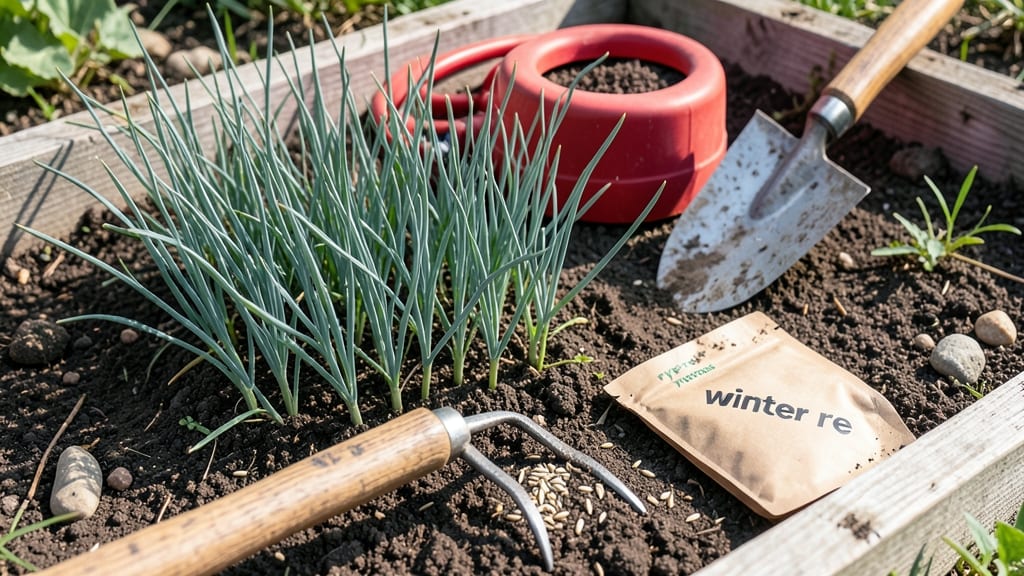
Planting winter grass 🌱 in Arizona isn’t just about timing—it’s about avoiding the brutal summer heat while giving your lawn the best shot at thriving through mild winters.
The right window ensures your grass establishes strong roots before Arizona’s dry season kicks in, but get it wrong, and you’ll end up with patchy, struggling turf.
Most gardeners in USDA Zone 9b swear by late September through November as the sweet spot, when daytime temps dip below 90°F and the monsoon rains taper off. This two-month window is your golden opportunity to transform bare spots into lush, frost-free coverage—without the stress of summer’s scorching sun.
I’ve tested this approach in my own yard, and the difference is night and day. A properly timed planting means fewer weeds, deeper roots, and a lawn that stays green even when your neighbors’ grass goes dormant.
Let’s break down exactly how to nail those optimal months—and what to watch for if you miss the mark.
Whether you’re seeding a new lawn or patching thin areas, this guide will help you avoid common mistakes like planting too early (heat stress) or too late (weak establishment).
You’ll learn the secrets to prepping your soil, choosing the right grass variety, and keeping your new winter grass 🌱 thriving year-round—even in Arizona’s unpredictable climate.
Best months to plant winter grass in Arizona’s climate zones
Arizona’s diverse climate means planting times vary dramatically from the scorching lowlands of Phoenix to the cooler high desert of Flagstaff. Unlike frost-sensitive regions, Arizona’s winter grass thrives in mild temperatures (50–70°F), but timing is critical to avoid summer heat stress or weak winter establishment.
Most gardeners target September through November for optimal results.
For low desert areas (Phoenix, Tucson), the ideal window is late September to early October. This allows seeds to germinate before 100°F+ summer temperatures return. In high desert regions (Flagstaff, Prescott), you can extend planting until mid-November due to cooler nights and shorter growing seasons.
Here’s why September-October works best: Soil stays warm enough for germination, but daytime highs drop below 85°F, reducing heat stress. Planting in November or December is riskier—roots may not establish before winter dormancy, leaving lawns vulnerable to weeds or drought.
Key temperature thresholds to watch:
- Soil temp: 60–75°F (use a soil thermometer)
- Daytime highs: Below 85°F (critical for germination)
- Nighttime lows: Above 45°F (prevents chilling stress)
Arizona’s USDA Zone 9b climate means no frost, but microclimates create exceptions. For example, Sedona’s red rocks can be 10°F cooler than nearby Phoenix, delaying planting by 2–3 weeks. Always check your local weather forecasts for rainfall patterns—winter grass needs consistent moisture to germinate.
⚠️ CRITICAL MISTAKE: Planting in August or early September risks heat stress or dormancy before roots establish. Conversely, planting in January may result in slow growth due to shorter daylight hours.
If you’re in a transition zone (e.g., Mesa or Gilbert), aim for early October—this balances heat avoidance and root establishment before winter rains. For high-elevation areas, ryegrass blends are ideal—they tolerate 40°F nights better than fescue.
Pro tip: Use a seed starter fertilizer (like 10-10-10) at planting to jumpstart growth. In drought-prone areas, consider hydroseeding to retain moisture during Arizona’s low-humidity winters. Always test your soil’s pH (6.0–7.0)—winter grass struggles in alkaline soils.
Remember: Arizona’s winter grass isn’t just for cold months—it stays green year-round if planted correctly. With the right timing, you’ll have a dense, drought-resistant lawn that outshines summer-burned Bermuda grass. Start your seeds now, and enjoy lush green coverage by December! 🌱
How to prepare your soil and seed for Arizona’s winter planting
Arizona’s dry climate and intense summer heat demand extra prep work before planting winter grass. Proper soil prep ensures seeds germinate quickly and roots establish before winter dormancy. Start by testing your soil pH—ideal levels for winter grass are between 6.0 and 7.0.
If your soil is too alkaline, amend it with sulfur or peat moss to lower the pH gradually.
Next, focus on drainage. Winter grass hates soggy soil, so avoid low-lying areas where water pools. If your yard has clay-heavy soil, mix in compost or sand to improve aeration.
A simple test: Dig a 6-inch hole, fill it with water, and time how long it takes to drain. If it takes longer than 30 minutes, amend your soil before planting.
🌱 Step-by-Step Soil & Seed Prep for Arizona Winter Grass
- 🔍 Test soil pH (aim for 6.0–7.0). Use a home test kit or send a sample to a local cooperative extension office.
- 🌿 Loosen top 4–6 inches of soil with a garden rake or tiller. Break up compacted layers to help roots penetrate.
- 💧 Water deeply 2–3 days before planting to settle the soil and create a moist seedbed.
- 🌱 Choose the right seed: Tall fescue or ryegrass thrive in Arizona’s winters. Avoid annual ryegrass—it germinates fast but dies in heat.
- 📏 Spread seed evenly using a broadcast spreader at 5–8 lbs per 1,000 sq ft, depending on variety.
- 🌡️ Cover seeds lightly with 1/4 inch of soil or straw mulch to protect from wind and retain moisture.
Selecting the right grass seed is critical for Arizona’s variable microclimates. Tall fescue is the top choice for its drought tolerance and deep root system, while ryegrass germinates faster but may struggle in high-desert areas like Flagstaff.
For shady spots, opt for fine fescue, which handles lower light better than other varieties.
After planting, water lightly but frequently to keep the soil consistently moist (not soggy) for the first 2–3 weeks. Use a gentle sprinkler or soaker hose to avoid displacing seeds.
Aim for 1/4 inch of water per day, split into two morning sessions to reduce evaporation. Avoid evening watering—wet grass overnight invites fungal diseases like dollar spot.
One common mistake is overwatering or underwatering. Check soil moisture by digging a 1-inch probe into the soil; if it’s dry at that depth, water again. Another pitfall is skipping pre-planting irrigation, which can leave seeds too dry to germinate.
Always water the area 24–48 hours before planting to kickstart the process.
With the right prep, your winter grass will germinate in 7–14 days and establish a dense, drought-resistant lawn by late fall. The key is patience and consistency—Arizona’s dry air demands extra care, but the results are worth it for a green lawn year-round. 🌿